Hair loss affects millions of people, and most assume they’re stuck with expensive treatments or invasive procedures. The truth is that natural therapy for hair loss works when you address the actual root causes-nutritional gaps, hormonal shifts, stress, and lifestyle habits that damage your scalp.
We at NuMed DPC have seen firsthand how targeted natural approaches can stop hair loss and regrow hair without the side effects of conventional medications. This guide walks you through proven remedies backed by research, realistic timelines, and actionable steps you can start today.
What Actually Causes Your Hair to Thin
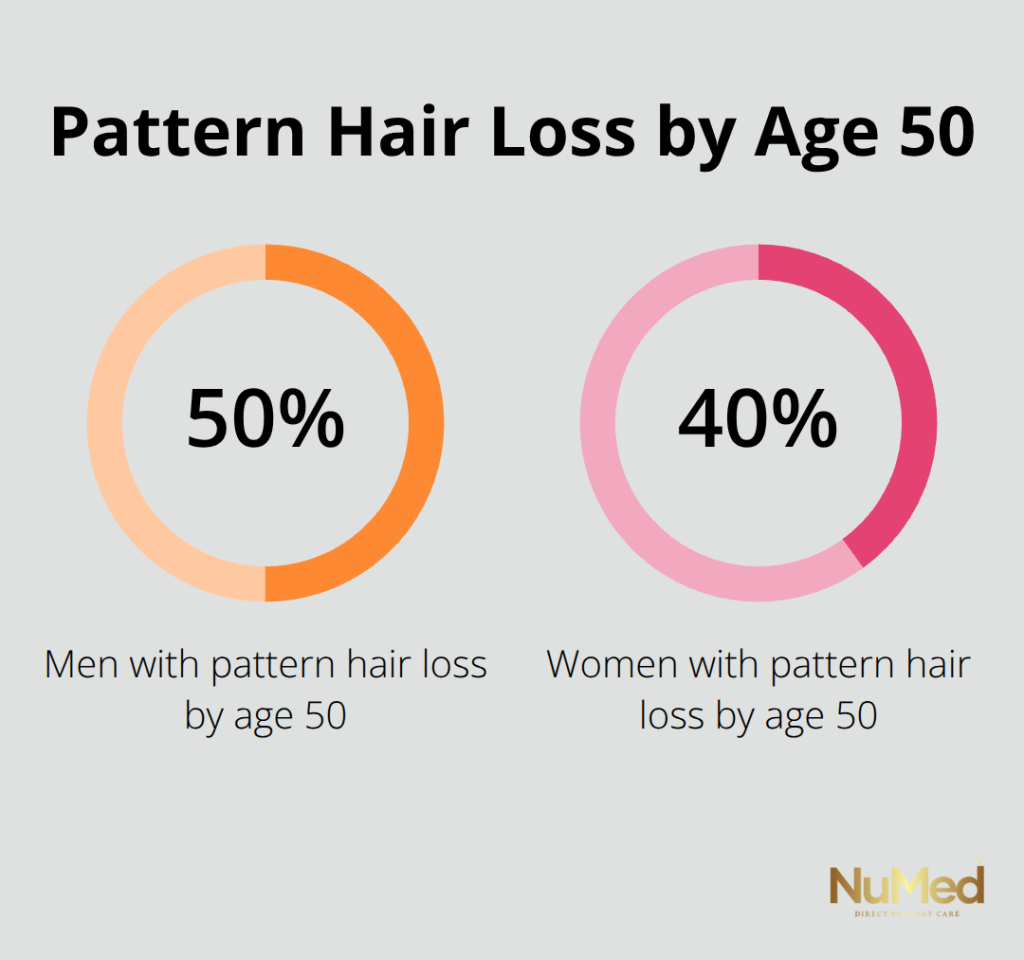
Hair loss isn’t random. According to the American Academy of Dermatology, up to 50% of men and 40% of women experience pattern hair loss by age 50, but the underlying triggers differ significantly from person to person. The most common culprit is androgenetic alopecia, driven by DHT sensitivity in hair follicles, yet this accounts for only part of the picture.
Iron deficiency ranks as one of the most overlooked causes. Your ferritin levels directly influence whether your hair enters the growth phase or prematurely shifts into shedding. The Mayo Clinic confirms that checking iron status should be your first step, not your last resort. Vitamin D deficiency also correlates strongly with hair loss, and zinc imbalance, whether too high or too low, disrupts follicle function. These aren’t theoretical concerns. If your ferritin sits below 50 ng/mL, your hair will struggle to grow regardless of what topical treatments you apply. Protein intake matters too-your body needs roughly 0.8 grams per kilogram of body weight daily to produce keratin, the structural protein that makes hair strong. Most people addressing hair loss never test their actual nutrient status, which means they treat symptoms while ignoring the root.
Hormonal Fluctuations Reshape Your Hair Cycle
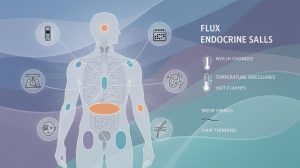
Hormonal shifts don’t just affect how you feel-they directly alter your hair growth cycle. Women experiencing postpartum shedding or menopause face telogen effluvium, a condition where stress triggers hair to shift prematurely from growth into the resting phase. Research in the International Journal of Women’s Dermatology shows that hormonal shifts cause significant shedding within weeks. Thyroid dysfunction, PCOS, and other endocrine imbalances directly suppress hair growth, yet standard dermatology often misses these connections. Stress amplifies the problem. High cortisol levels disrupt the hair growth cycle, and chronic stress accelerates shedding even in people with no genetic predisposition to baldness. This is why someone experiencing major life changes-job loss, illness, surgery-suddenly notices thinning months later. The lag time matters: your body doesn’t react immediately, which is why you might not connect the trigger to the loss.
Physical Stress and Environmental Damage Weaken Hair
Physical stress counts significantly. Traction alopecia from tight hairstyles creates tension on hair roots, and fungal infections like tinea capitis cause patchy loss that worsens without proper treatment. Environmental damage compounds everything-heat styling, chemical processing, and pollution all weaken the hair shaft and trigger breakage that looks identical to hair loss but requires completely different solutions. Understanding whether you’re experiencing actual hair loss or breakage changes your entire treatment approach. Traction alopecia responds to loosening your hairstyles and scalp care, while breakage improves through gentler hair handling and reduced heat exposure. Fungal infections demand antifungal treatment, not growth stimulants. This distinction matters because applying the wrong remedy wastes time and money while your actual problem persists.
The root causes of your hair loss determine which natural therapies will work for you. Testing your nutrient levels, evaluating your hormonal status, and identifying your specific stressors or physical habits sets the foundation for effective treatment. Once you understand what’s actually driving your hair loss, you can select remedies that address those precise mechanisms rather than hoping a generic solution works.
Which Natural Remedies Actually Stop Hair Loss
Top Essential Oils for Hair Regrowth
Rosemary oil stands out as the most evidence-backed natural remedy for hair loss, performing comparably to minoxidil in a 2015 randomized trial published by Panahi and colleagues. Apply a 2% concentration topically to your scalp daily through massage, but perform a patch test first since individual responses vary. Green tea oil ranks as your second-best option because it contains EGCG and catechins that reduce DHT damage to hair follicles, absorb quickly without greasiness, and work well as a daily rinse or scalp treatment at one to two cups of green tea daily.
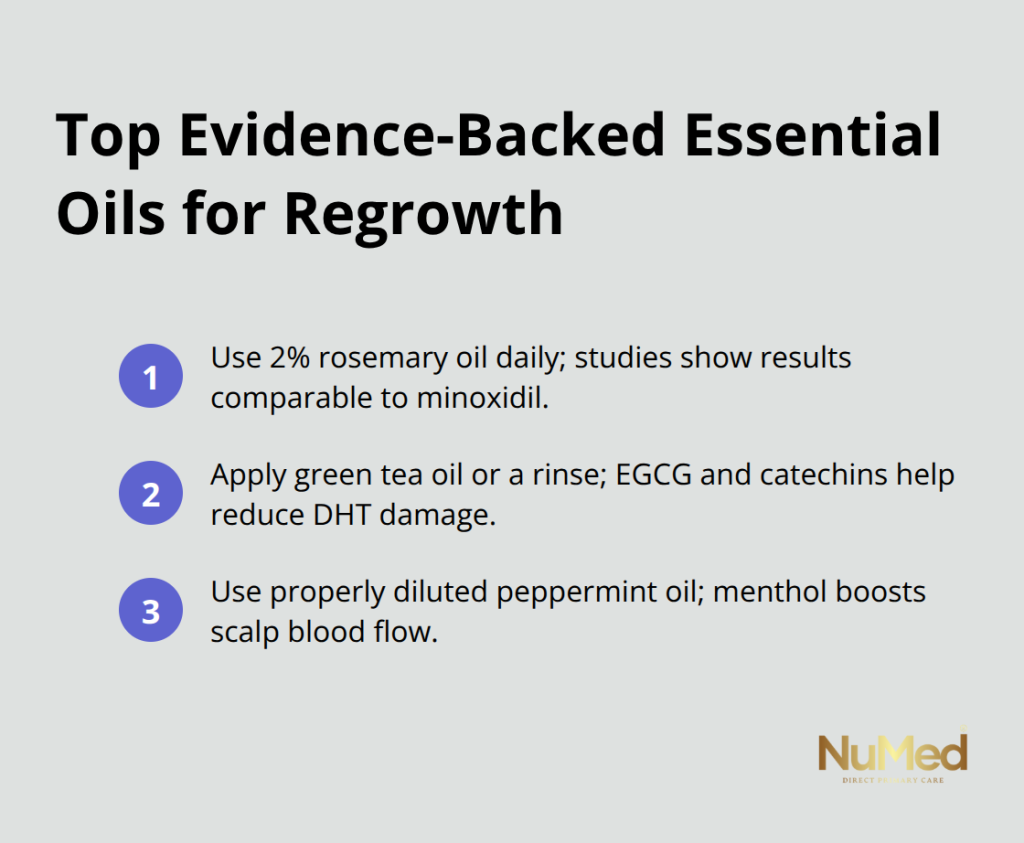
Geranium oil regulates sebum production and delivers amino acids directly to follicles, making it practical for scalp massage when diluted with a carrier oil. Peppermint oil causes vasodilation that increases blood flow to hair roots, but always dilute it because menthol concentration matters for safety. These three oils have peer-reviewed support from credible journals like the BMJ and BMC Complementary and Alternative Medicine, which separates them from marketing-only claims about castor oil or other unproven options.
Targeted Supplementation and Nutrient Restoration
Supplementation addresses the nutritional gaps that perpetuate hair loss. Pumpkin seed oil at approximately 400 mg twice daily for 24 weeks showed modest increases in hair counts in men with androgenetic alopecia, according to research in the Journal of Evidence-Based Complementary and Alternative Medicine. Iron supplementation works only if your ferritin sits below 50 ng/mL, which is why testing comes first. Vitamin D restoration supports follicle function when deficiency exists. Zinc must stay within normal ranges because both deficiency and excess trigger shedding. Protein intake of 0.8 grams per kilogram of body weight daily provides the raw material for keratin production.
Physical Therapies and Lifestyle Modifications
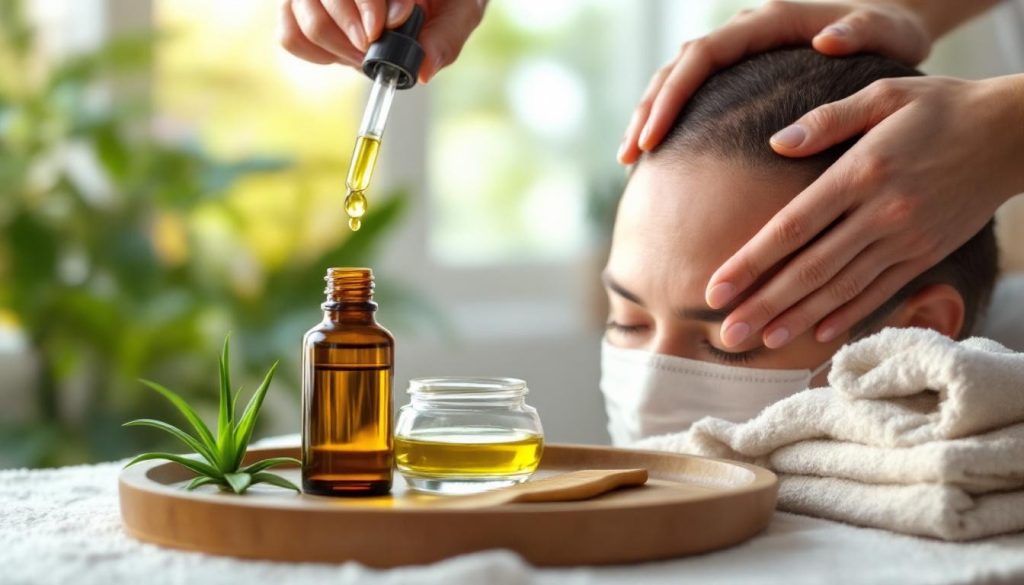
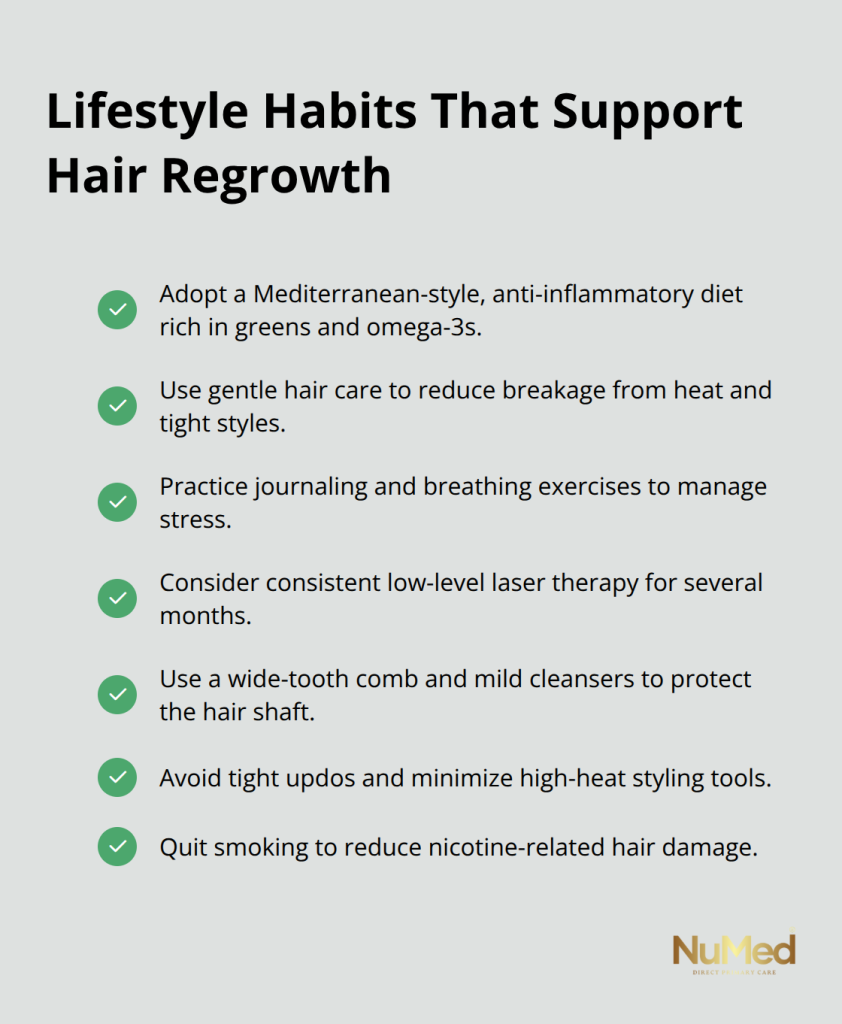
Scalp massage for just a few minutes daily increases hair thickness in some people after several months by improving nutrient delivery to follicles. Low-level laser therapy devices demonstrate modest improvements in hair density for androgenetic alopecia when used consistently for four to six months as part of a comprehensive plan. A Mediterranean-style anti-inflammatory diet emphasizing iron-rich greens, omega-3 foods like salmon and sardines, and colorful produce supports hair health far better than processed alternatives. Gentle hair care eliminates breakage that masks as loss, so minimize heat styling, avoid tight updos, use a wide-tooth comb, and choose mild cleansers. Stress management through journaling, breathing exercises, and mindfulness reduces cortisol disruption of your hair growth cycle. Smoking cessation directly improves hair health by reducing nicotine exposure linked to premature graying and loss, according to Harvard Health.
Integration and Timeline Expectations
These interventions work best together rather than in isolation, and results require consistent effort over weeks to months rather than days. The combination of targeted oils, proper supplementation, physical therapies, and lifestyle changes creates the conditions your hair needs to recover. Individual responses vary significantly, so what produces visible results in four months for one person may take six months for another. Your specific root causes determine which remedies will have the greatest impact, which is why the testing and evaluation you completed earlier directly shapes your treatment strategy. Understanding how these natural approaches work together sets the stage for selecting the ones that address your particular hair loss triggers and building a sustainable routine that fits your life.
What the Research Actually Shows About Natural Hair Loss Treatments
Herbal Oils With Real Clinical Evidence
Rosemary oil stands apart because it performed as effectively as minoxidil in a randomized controlled trial by Panahi and colleagues published in 2015, making it one of the few natural remedies with direct clinical comparison to pharmaceutical standards. The mechanism works through improved scalp circulation and follicle stimulation, not through vague antioxidant benefits. Green tea oil containing EGCG and catechins reduces DHT-related follicle damage according to research in the Asian Journal of Pharmaceutical and Pharmacology, and the dose matters: one to two cups daily or a post-wash rinse delivers measurable catechin concentrations to your scalp. Geranium oil regulates sebum while providing amino acids directly to dermal papilla cells, supported by research in BMC Complementary and Alternative Medicine. Peppermint oil increases scalp blood flow through menthol-induced vasodilation, documented in Frontiers in Physiology, but concentration determines safety. These three oils separate from marketing noise because peer-reviewed journals like the BMJ and Toxicology Research published their efficacy data.
Supplements That Address Measurable Deficiencies
Pumpkin seed oil at 400 mg twice daily for 24 weeks produced modest but measurable hair count increases in men with androgenetic alopecia, according to the Journal of Evidence-Based Complementary and Alternative Medicine. Iron deficiency requires ferritin levels of at least 70 ng/mL for hair regrowth, which is why testing before supplementation matters. Vitamin D restoration supports follicle function when deficiency exists. Zinc must stay within normal ranges because both deficiency and excess trigger shedding. The research shows consistent results across multiple studies, yet modest improvements mean you need realistic timelines: four to six months minimum before visible density changes occur.
Physical Therapies That Produce Substantial Results
Scalp massage for five minutes daily increased hair thickness measurably after several months in studies published in the Journal of Evidence-Based Complementary and Alternative Medicine, with benefits accumulating through improved nutrient delivery. Low-level laser therapy devices demonstrated modest but reproducible improvements in hair density for androgenetic alopecia across controlled trials reviewed by Cochrane, requiring consistent use for four to six months. A Mediterranean-style diet emphasizing iron-rich greens, omega-3 sources like salmon and sardines, and colorful produce supports hair health far more effectively than processed alternatives according to Harvard Health Publishing.
Lifestyle Changes That Address Root Causes
Stress management through journaling and breathing exercises reduces cortisol-driven hair cycle disruption, as documented in the Journal of Drugs in Dermatology. Smoking cessation improves hair health by eliminating nicotine exposure linked to premature graying and loss, according to Harvard Health. These interventions work synergistically, meaning combining scalp massage with proper iron levels and stress reduction produces results that exceed any single approach alone. Conventional medications like minoxidil and finasteride work faster initially, but natural approaches address underlying causes that prevent long-term relapse, making them superior for sustainable hair health when given adequate time.
Final Thoughts
Natural therapy for hair loss works because it addresses what conventional treatments often miss: the actual root causes driving your hair thinning. Rosemary oil performed as effectively as minoxidil, iron restoration stopped shedding when ferritin levels rose above 50 ng/mL, and stress reduction halted cortisol-driven hair cycle disruption. Your hair loss did not appear randomly, and fixing it requires identifying whether nutritional gaps, hormonal shifts, physical stress, or lifestyle habits created the problem in the first place.
The remedies that produce real results share one characteristic: they target measurable deficiencies or documented mechanisms rather than relying on marketing claims. Green tea oil reduces DHT damage through EGCG and catechins, pumpkin seed oil at 400 mg twice daily for 24 weeks increases hair counts in men with androgenetic alopecia, and scalp massage improves nutrient delivery to follicles. Visible density changes require a minimum of four to six months of consistent effort, and combining targeted oils, proper supplementation, physical therapies, and lifestyle modifications produces results that exceed any single approach.
Sustainable hair health means addressing causes rather than chasing symptoms, and this approach prevents relapse that often follows conventional medications once you stop using them. Work with a healthcare provider who understands how nutritional status, hormonal balance, and lifestyle factors interconnect with hair growth, and visit NuMed DPC to explore how comprehensive primary care supports your long-term hair health and overall wellness.