

Traditional healthcare often treats symptoms without addressing underlying nutritional imbalances that fuel chronic disease. A functional medicine diet plan takes a different approach by targeting root causes through personalized nutrition strategies.
We at NuMed DPC see patients transform their health when they shift from processed foods to nutrient-dense whole foods that support optimal cellular function and reduce systemic inflammation.
How Does Functional Medicine Nutrition Work
Functional medicine nutrition operates on the principle that food directly influences genetic expression, hormonal balance, and microbiome composition. This approach examines comprehensive biomarkers, including inflammatory markers, micronutrient levels, and gut permeability tests, to identify specific nutritional deficiencies that drive chronic symptoms. Advanced tests through specialty labs reveal patterns like elevated C-reactive protein levels that indicate systemic inflammation or low vitamin D status that affects immune function.
Biochemical Individuality Drives Treatment Plans
Each person metabolizes nutrients differently based on genetic variations, digestive capacity, and environmental factors. MTHFR gene polymorphisms, including 677C>T and 1298A>C variants, are among the most common and widely studied genetic variations that require specific B-vitamin supplementation strategies. Comprehensive metabolic panels combined with food sensitivity tests guide practitioners who develop targeted interventions. Patients with histamine intolerance require low-histamine protocols, while those with SIBO benefit from specific carbohydrate restriction. This precision approach yields measurable improvements in energy levels, digestive function, and inflammatory markers within 4-6 weeks of implementation.
Anti-Inflammatory Foods Target Gut-Immune Connection
Polyphenol-rich foods like blueberries and green tea reduce inflammatory cytokines while they support beneficial bacterial growth in the intestinal tract. Omega-3 fatty acids from wild-caught fish provide EPA and DHA that actively resolve inflammation at the cellular level. Fermented vegetables supply diverse probiotic strains that strengthen intestinal barrier function and modulate immune responses. Dietary fiber is essential for maintaining a homeostatic relationship between host and microbiota, supporting microbial diversity and reducing systemic inflammation markers. Strategic elimination of processed foods, refined sugars, and common triggers like gluten creates the foundation for gut health and optimal nutrient absorption.
Laboratory Testing Guides Personalized Protocols
Advanced diagnostic panels reveal specific nutrient deficiencies and metabolic imbalances that standard blood work often misses. Comprehensive stool analysis identifies pathogenic bacteria, parasites, and digestive enzyme deficiencies that impact nutrient absorption. Organic acid tests measure cellular energy production and neurotransmitter metabolism (providing insights into B-vitamin and mineral status). Food sensitivity panels help practitioners identify delayed immune reactions that contribute to chronic inflammation and digestive symptoms. These detailed assessments allow healthcare providers to create targeted nutrition protocols that address individual biochemical needs rather than generic dietary recommendations.
Essential Components of a Functional Medicine Diet
Nutrient-dense whole foods form the foundation of functional medicine nutrition, with organic foods containing much higher amounts of antioxidants than conventional crops. Dark leafy greens like kale and spinach deliver concentrated folate, magnesium, and vitamin K that support methylation pathways and bone health. Wild-caught fatty fish supplies bioavailable omega-3 fatty acids with EPA concentrations that reach 1,200mg per serving in salmon. Grass-fed beef provides complete amino acid profiles plus conjugated linoleic acid that supports healthy inflammation responses. Organic berries contain anthocyanins and flavonoids that cross the blood-brain barrier to protect cognitive function.
Common Inflammatory Triggers to Eliminate
Refined sugar consumption triggers insulin spikes and advanced glycation end products that damage cellular structures throughout the body. Processed seed oils like soybean and canola contain omega-6 fatty acids that promote inflammatory pathways when consumed in excess. Gluten proteins can increase intestinal permeability even in non-celiac individuals (which allows bacterial endotoxins to enter systemic circulation). Conventional dairy products often contain A1 casein proteins that stimulate inflammatory cytokine production in sensitive individuals. Artificial additives, including MSG and aspartam,e disrupt neurotransmitter balance and trigger headaches in susceptible people.

Strategic Meal Patterns and Portions
Time-restricted feeding improves insulin sensitivity, blood pressure, and oxidative stress even without weight loss in men with prediabetes. Protein intake should reach 1.2-1.6 grams per kilogram of body weight daily to maintain muscle mass and support detoxification enzymes. Consumption of your largest meal earlier in the day aligns with circadian rhythm patterns that optimize digestive enzyme production. Portion sizes should fit within cupped hands for carbohydrates and palm-sized servings for proteins to prevent blood sugar fluctuations (which helps maintain steady energy levels throughout the day).
These foundational dietary principles create the framework for successful implementation, but the transition process requires careful planning and systematic execution to achieve lasting results.
How Do You Successfully Transition to Functional Medicine Nutrition
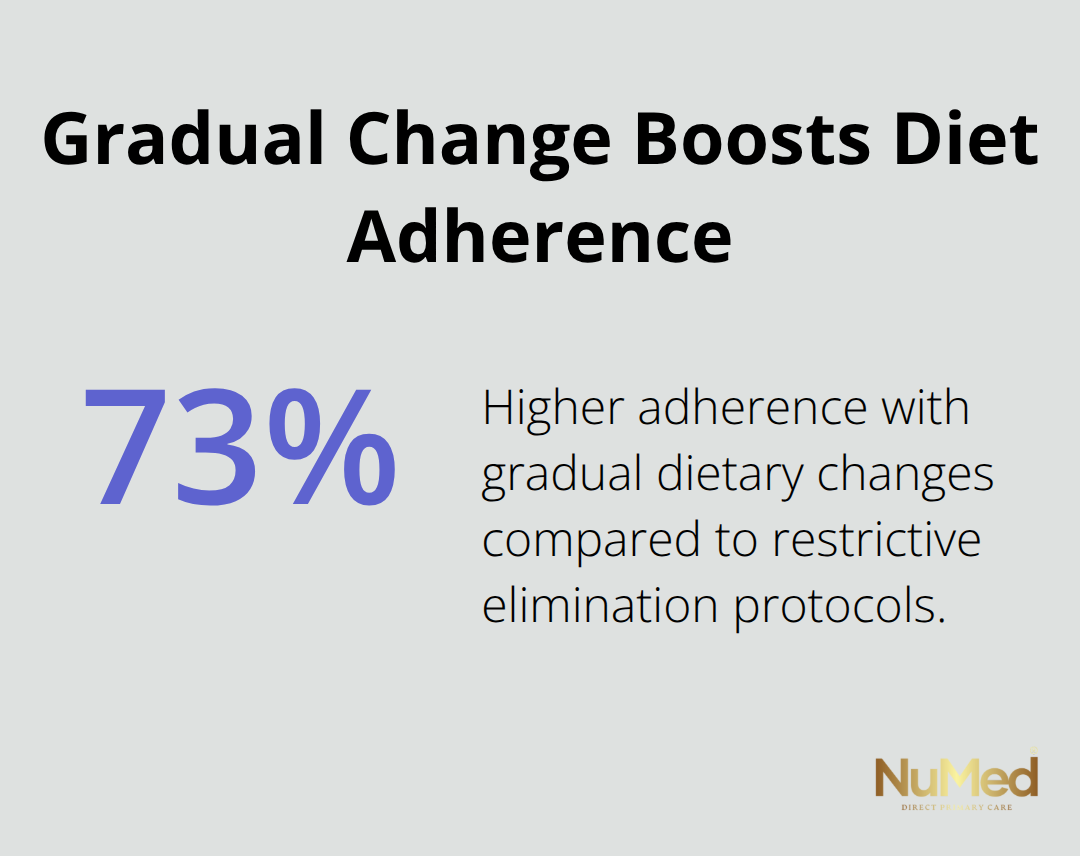
Successful transition to functional medicine nutrition requires a structured 4-week phase-in approach rather than drastic overnight changes that often lead to failure. Week one focuses on the elimination of processed foods and refined sugars while you maintain familiar whole food options like grilled chicken and steamed vegetables. Week two introduces anti-inflammatory spices like turmeric and ginger while you remove gluten-containing grains. Week three eliminates dairy products and adds fermented foods like sauerkraut and kimchi. Week four incorporates time-restricted eating with a 12-hour eating window. Research from the Journal of Nutrition Education and Behavior shows that gradual dietary changes have 73% higher adherence rates compared to restrictive elimination protocols.
Strategic Food Sourcing and Quality Selection
Purchase organic produce from local farms or Community Supported Agriculture programs to maximize nutrient density while you reduce pesticide exposure. Wild-caught fish should come from Alaska or Nordic countries, where mercury levels remain below FDA safety thresholds. While grass-fed probably has a slight edge on grain-fed in terms of health value, the difference is negligible according to nutrition experts. Glass containers work better than plastic for food storage to avoid endocrine-disrupting chemicals that interfere with hormonal balance.
Meal Preparation and Kitchen Organization
Batch cooking on Sundays prevents weekday decision fatigue and maintains nutritional consistency throughout busy schedules. Prepare proteins in bulk and portion them into individual servings for quick assembly during the week. Pre-cut vegetables and store them in glass containers to maintain freshness and reduce preparation time. Cook grains and legumes in large batches (then freeze portions for future meals). Sharp knives and quality cutting boards make food preparation more efficient and enjoyable.
Progress Monitoring and Biomarker Assessment
Monitor inflammatory markers, including C-reactive protein and erythrocyte sedimentation rate, every 8-12 weeks to measure dietary intervention effectiveness. Daily symptom tracking with validated questionnaires reveals patterns between food intake and energy levels, digestive function, and sleep quality. Weight fluctuations of 2-3 pounds weekly indicate normal metabolic adaptation rather than treatment failure. Blood pressure improvements typically appear within 3-4 weeks of dietary changes, while lipid panel normalization requires 6-8 weeks of consistent adherence. Comprehensive testing panels track these biomarkers and allow practitioners to adjust protocols based on individual response patterns rather than generic timelines.
Final Thoughts
Long-term success with a functional medicine diet plan requires consistent implementation over months rather than weeks to achieve lasting metabolic changes. Research shows that patients who maintain anti-inflammatory dietary patterns for 12 months experience sustained reductions in C-reactive protein levels and improved insulin sensitivity compared to short-term interventions. Metabolic adaptation occurs gradually, with most patients seeing significant biomarker improvements after three to six months of adherence.
Healthcare practitioners accelerate progress through personalized testing and targeted supplementation protocols that address individual biochemical needs. We at NuMed DPC provide comprehensive functional medicine support that addresses root causes through extensive lab services and individualized health protocols. Our direct primary care model removes insurance barriers while we foster personalized connections between patients and practitioners.
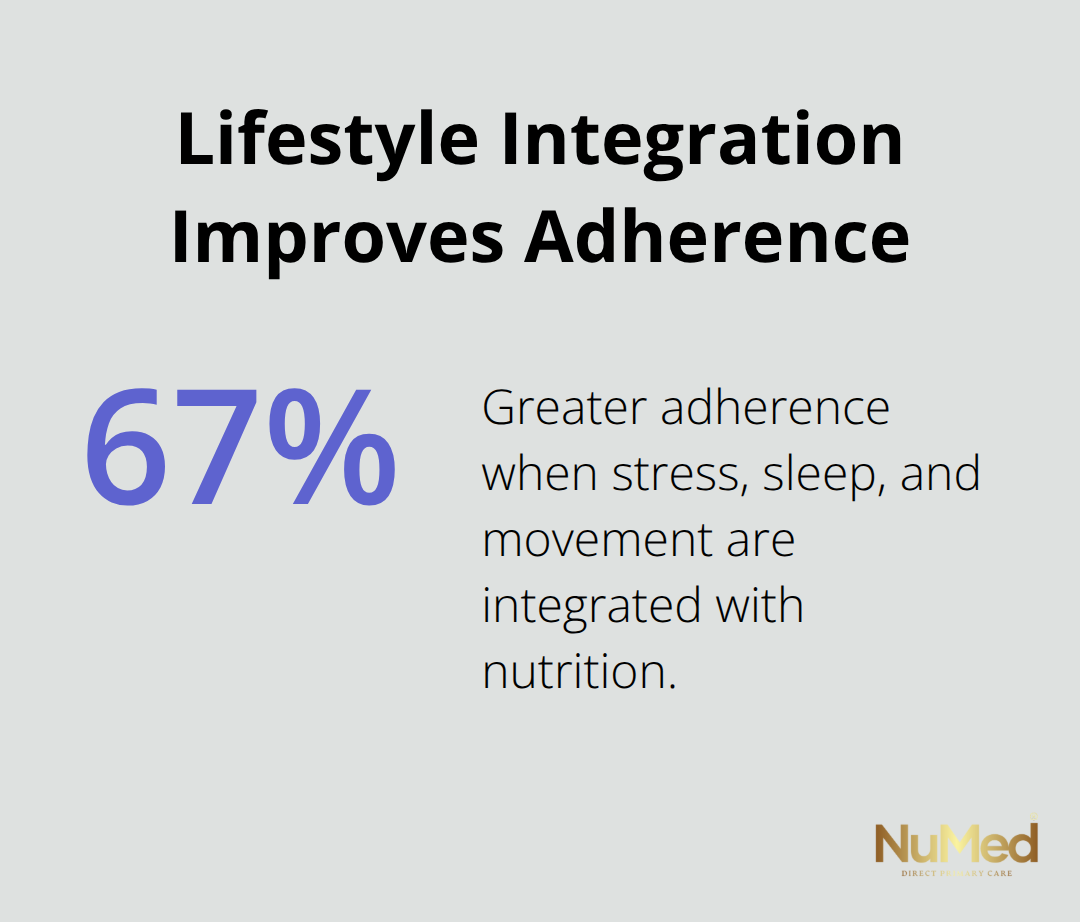
Sustainable lifestyle changes extend beyond food choices to include stress management, quality sleep, and regular movement patterns. Patients who integrate these foundational elements report 67% greater adherence to nutritional protocols after six months (compared to those who focus solely on dietary modifications).
The combination of nutrient-dense whole foods, strategic meal timing, and professional guidance creates the framework for optimal health outcomes that persist long after initial dietary transitions are complete.