
Hormone imbalances affect millions of people, yet many don’t realize how much their symptoms stem from fluctuating levels. At NuMed DPC, we’ve seen firsthand how the right natural hormone therapy options can transform energy, mood, and overall quality of life.
This guide walks you through bioidentical hormones, testing approaches, and how to work with practitioners who understand functional medicine. You’ll learn what actually works and how to find the right fit for your body.
What Natural Hormone Therapy Actually Is
Natural hormone therapy replaces hormones your body no longer produces in sufficient quantities using bioidentical hormones derived from plants. These molecules are chemically identical to hormones your body makes-estrogen, progesterone, testosterone, and others-which are fundamentally different from synthetic hormone replacement that uses chemically altered or animal-derived versions. The distinction matters because your body recognizes bioidentical hormones immediately, often resulting in faster symptom relief and fewer unwanted effects. Synthetic hormones require your liver to metabolize a foreign chemical structure, which can trigger side effects ranging from nausea to blood clots, depending on the formulation. This doesn’t mean synthetic options are wrong for everyone, but it does mean bioidentical therapy deserves serious consideration, especially if you’ve had adverse reactions to conventional HRT or prefer a plant-based approach aligned with your body’s chemistry.
The Specific Hormones That Matter Most
The most commonly used bioidentical hormones include estradiol, estriol, progesterone, testosterone, and DHEA. Estradiol is the primary estrogen your ovaries produce until menopause; estriol is a weaker estrogen that rises during pregnancy and supports vaginal and urinary tissue health. Progesterone balances estrogen’s effects and supports sleep, mood, and bone density. Testosterone in women enhances libido, muscle strength, and mental clarity-something many practitioners overlook when treating menopausal women. DHEA serves as a precursor to both estrogen and testosterone, making it valuable for those with low baseline production. The form you choose matters enormously: oral tablets, transdermal patches, gels, creams, and subcutaneous pellets deliver hormones differently. Pellet implants release hormones consistently over three to six months, eliminating the peaks and valleys that pills or creams create. Individual response varies significantly based on your metabolism, digestive health, and lifestyle.
How Your Body Actually Uses These Hormones
Bioidentical hormones work because your cell receptors recognize them immediately. When estradiol enters your bloodstream, estrogen receptors on your bones, heart, brain, and vaginal tissue bind to it within minutes to hours. This triggers gene expression changes that reduce hot flashes, stabilize mood, support bone mineralization, and improve vaginal moisture. Progesterone calms the nervous system, deepens sleep, and counteracts estrogen’s proliferative effects on breast tissue. The timing of therapy during perimenopause yields the strongest cardiovascular and bone benefits. Customized dosing based on blood testing ensures you receive exactly what your body needs, not a standardized dose that works for some but leaves others symptomatic.
Personalization Through Functional Medicine
Functional medicine practitioners excel at this personalization work. They measure your baseline hormone levels, symptoms, and health markers, then adjust your therapy monthly or quarterly until you reach optimal balance. This approach addresses what makes your hormone imbalance unique-whether stress, digestive dysfunction, liver congestion, or nutrient deficiencies contribute to your symptoms. Your practitioner tracks how you respond to specific doses and formulations, making real-time adjustments rather than prescribing a one-size-fits-all protocol. Understanding your individual needs sets the stage for finding the right natural hormone therapy option for your specific situation.
Which Natural Hormone Therapy Works Best for Your Situation
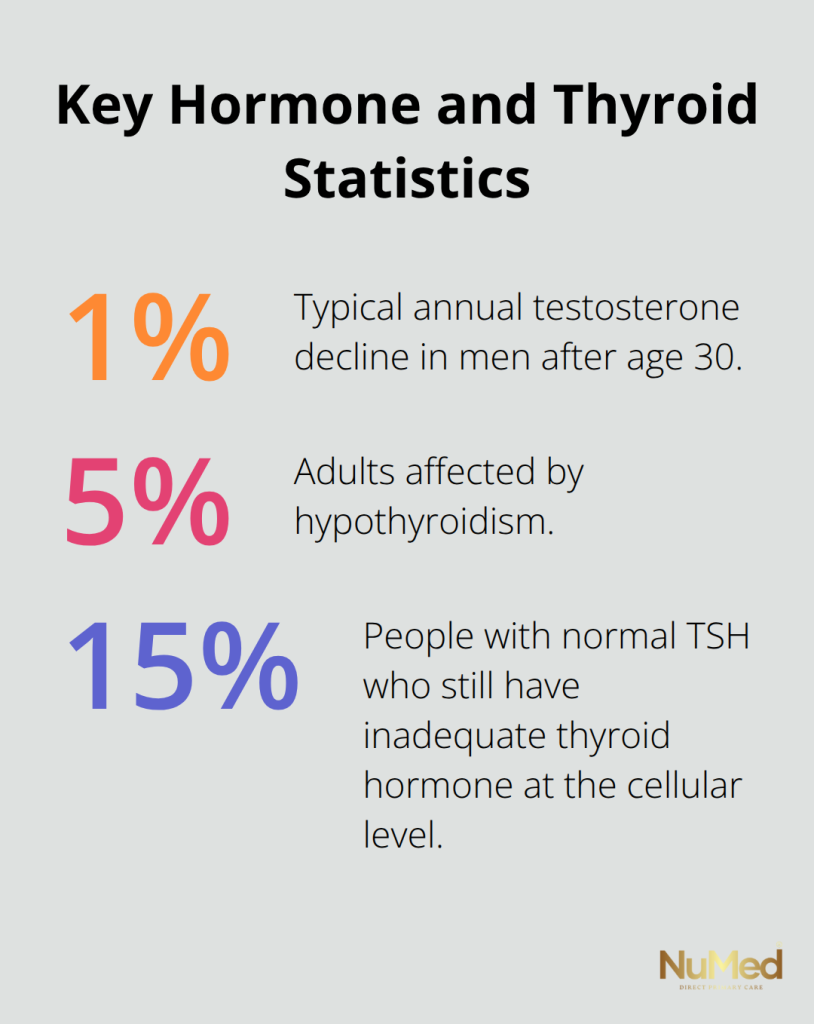
Menopause and andropause represent the most common reasons people seek bioidentical hormone therapy, yet they demand fundamentally different treatment approaches. Women entering menopause experience declining estrogen and progesterone production over the years, while men with andropause typically face a gradual testosterone decline of about 1 percent annually after age 30. For menopausal women, the goal centers on restoring estradiol and progesterone to reduce hot flashes, night sweats, mood instability, and vaginal dryness while supporting bone density and cardiovascular health. Research from the Women’s Health Initiative showed that estrogen-only therapy increased breast cancer risk in the estrogen-plus-progestin group, making bioidentical estradiol a particularly valuable option for women who’ve had hysterectomies. Men with low testosterone benefit from restoration to mid-range levels rather than supraphysiologic dosing, which improves energy, muscle mass, sexual function, and mental clarity without the androgenic side effects of excessive testosterone. The timing matters enormously: starting hormone therapy within five to ten years of menopause onset yields stronger cardiovascular protection than delaying treatment, according to recent analyses of the WHI data. Pellet implants deliver consistent hormone levels for three to six months, eliminating the daily fluctuations that pills create and often producing symptom improvement within two to four weeks as hormone concentrations stabilize.
Thyroid Function Determines Treatment Success
Your thyroid fundamentally influences how well sex hormone therapy works, yet most hormone clinics overlook this entirely. Hypothyroidism affects roughly 5 percent of adults but remains underdiagnosed, and untreated thyroid dysfunction perpetuates fatigue, weight gain, mood problems, and poor temperature regulation that mimic hormone deficiency. Measuring free T3 and free T4 rather than TSH alone reveals whether your tissues receive adequate thyroid hormone, since TSH can appear normal while your body remains starved for the hormone it needs. Without proper thyroid function, sex hormone therapy cannot work effectively, no matter how well-dosed your estrogen or testosterone may be.
Adrenal Health Shapes Your Hormone Response
Adrenal exhaustion from chronic stress suppresses DHEA and cortisol rhythms, undermining sex hormone production and therapy effectiveness. Cortisol should peak in the morning between 7 and 9 AM and decline steadily throughout the day, but stress dysregulation flattens this curve, leaving you depleted regardless of estrogen or testosterone supplementation. Testing your cortisol pattern via saliva samples at four timepoints throughout the day reveals whether your adrenals need support before or alongside sex hormone therapy. Adaptogens like rhodiola and ashwagandha help restore cortisol rhythm, while magnesium glycinate, B vitamins, and adequate sleep form the foundation. Addressing adrenal function first prevents wasted money on bioidentical hormones that cannot work properly without stable cortisol patterns and adequate nutrient status.
Finding Your Right Fit Through Testing and Practitioner Partnership
The difference between hormone therapy that transforms your life and hormone therapy that wastes your money comes down to two decisions: the right tests and a practitioner who interprets them correctly. Most conventional doctors order only TSH for thyroid screening and basic estrogen or testosterone levels without measuring free hormones, metabolites, or cortisol patterns. This incomplete picture leaves you uncertain whether your symptoms stem from actual hormone deficiency or from thyroid dysfunction, adrenal exhaustion, nutrient gaps, or medication interactions. You need testing that measures free T3 and free T4, not just TSH, because roughly 15 percent of people with normal TSH still suffer from inadequate thyroid hormone at the cellular level. Similarly, measuring estradiol and progesterone alone misses the full picture-your practitioner must also assess DHEA, cortisol at four timepoints throughout your day, and metabolites that indicate how your liver processes hormones. Saliva testing for cortisol costs roughly 150 to 200 dollars and reveals whether your adrenals can support sex hormone therapy before you invest in bioidentical hormones.
Blood tests measuring free testosterone, free estradiol, and progesterone run 200 to 400 dollars, depending on your location and whether insurance covers functional medicine labs. Comprehensive testing forms the foundation of effective treatment and identifies root causes rather than masking symptoms with standardized protocols.
The Practitioner Difference Determines Your Outcome
A functional medicine practitioner matters more than the specific hormone formulation you choose. Functional medicine doctors spend 30 to 60 minutes on your initial visit reviewing your complete medical history, lifestyle, stress patterns, digestive health, and symptom timeline, not the 10 to 15 minutes typical in conventional practices. They adjust your therapy based on your response every four to eight weeks rather than prescribing a dose and seeing you annually. The Menopause Society maintains a directory of certified menopause specialists, and seeking a provider with this credential dramatically improves your chances of receiving evidence-based care tailored to your situation. Many for-profit hormone clinics push expensive compounded bioidentical hormones without ordering baseline testing or addressing underlying causes like adrenal dysfunction or thyroid problems, leaving you spending 300 to 500 dollars monthly on hormones that cannot work without addressing those root issues first. Your ideal practitioner screens for contraindications to hormone therapy-uncontrolled hypertension, active blood clots, undiagnosed vaginal bleeding, or estrogen-sensitive cancers-before starting treatment. They also monitor you with repeat labs every three to six months and adjust dosing based on symptom improvement and lab values rather than keeping you on a static protocol indefinitely. This individualized approach costs more upfront but prevents wasted months on ineffective doses and saves money by avoiding unnecessary treatments.
Aligning Therapy With Your Actual Goals and Constraints
Your symptoms and health goals should drive your hormone therapy choices, not marketing claims or what worked for your friend. Women entering perimenopause with severe hot flashes and night sweats disrupting sleep need faster symptom relief than those with mild mood changes, and subcutaneous pellet implants deliver that speed by providing stable hormone levels within two to four weeks. If you have a history of blood clots, you cannot use oral estrogen-transdermal patches, gels, or pellets, which bypass hepatic metabolism and carry lower thrombotic risk. If you cannot afford 300 to 500 dollars monthly for compounded bioidentical hormones, FDA-approved bioidentical options like estradiol patches or progesterone capsules cost 30 to 80 dollars monthly through standard pharmacies and work excellently when dosed correctly. If you work night shifts or have severe cortisol dysregulation, starting sex hormone therapy before stabilizing your adrenal function wastes money and time. Your practitioner should ask about your lifestyle constraints, insurance coverage, access to specialty pharmacies, and whether you prefer daily dosing or longer-acting options before recommending a specific approach. This conversation prevents the common scenario where someone receives an excellent hormone prescription but cannot fill it because their insurance does not cover compounded medications or their pharmacy lacks the specific formulation.
Final Thoughts
Natural hormone therapy options work best when they match your individual biology, not when they follow a standardized protocol. The practitioners and testing approaches you choose determine whether hormone therapy transforms your life or becomes an expensive disappointment. Comprehensive lab work revealing your free thyroid hormones, cortisol patterns, and baseline sex hormone levels prevents wasted months on ineffective doses.
A functional medicine practitioner who adjusts your therapy based on your response and monitors you regularly catches problems early and optimizes your results. Your lifestyle constraints, health history, and symptom severity should guide whether you choose daily pills, transdermal patches, or subcutaneous pellets. Starting hormone therapy without addressing underlying adrenal dysfunction or thyroid problems guarantees poor outcomes, regardless of how well-formulated your bioidentical hormones may be.
The most important decision you make is not which hormone formulation to use, but which practitioner will guide your treatment. Someone spending 30 to 60 minutes understanding your complete health picture and adjusting your therapy every four to eight weeks delivers dramatically better results than a clinic pushing expensive compounded hormones without baseline testing or ongoing monitoring. If you’re ready to explore natural hormone therapy options tailored to your unique needs, contact NuMed DPC to discuss functional medicine and comprehensive hormone evaluation with a practitioner who addresses root causes rather than masking symptoms.