
Hormone imbalances affect millions of people, causing fatigue, mood swings, weight gain, and sleep problems that disrupt daily life. At NuMed DPC, we believe natural hormone balancing starts with understanding what’s actually happening in your body and why lifestyle matters more than most realize.
This guide walks you through proven dietary, movement, and stress-reduction strategies that address hormonal health at the root. You’ll also learn which supplements and herbs have real evidence behind them, plus when professional guidance becomes necessary.
What Your Body Is Telling You About Hormonal Imbalance
Common Signs That Signal Hormonal Disruption
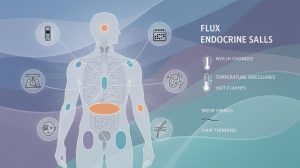
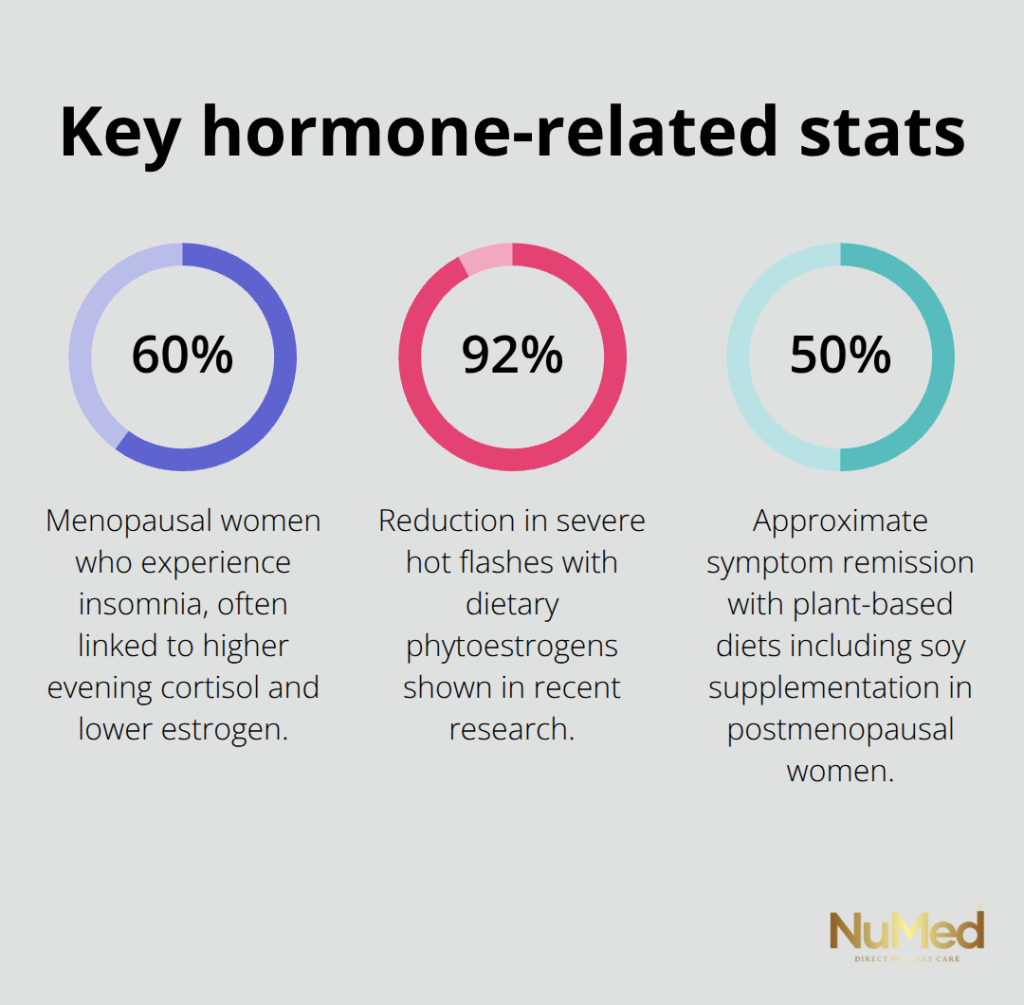
Hormonal imbalance doesn’t announce itself with a single symptom-it whispers through multiple channels simultaneously. Fatigue that doesn’t improve with sleep, unexplained weight gain despite consistent eating habits, and mood swings that feel disconnected from life events emerge as the most common red flags. About 60% of menopausal women experience insomnia, with sleep disruptions linked to higher evening cortisol and lower estrogen levels. Brain fog and difficulty concentrating often accompany these shifts, making it hard to focus at work or during conversations. Hair loss, new unwanted hair growth, acne, or persistent dry skin indicate hormonal fluctuations affecting your skin’s oil production and follicle health. Hot flashes, night sweats, and irregular menstrual cycles-whether they’re shorter than 21 days, longer than 35 days, or completely unpredictable-serve as direct windows into what’s happening with your estrogen and progesterone. Low libido or painful sexual activity frequently signals hormonal decline, particularly during perimenopause and menopause.
Why Hormonal Symptoms Cluster Together
These symptoms cluster together because hormones regulate metabolism, sleep, mood, and reproductive health simultaneously. When one hormone dips, it creates a cascade effect across multiple body systems. A single hormonal shift triggers changes in energy, emotional stability, and physical function all at once, which explains why hormonal imbalance feels so pervasive and disorienting.
How Lifestyle Directly Disrupts Hormone Production
Your daily choices matter far more than genetics in determining hormonal stability. Chronic stress elevates cortisol, which suppresses progesterone production and destabilizes your menstrual cycle-this isn’t theoretical, it’s measurable through blood tests. Poor sleep quality compounds this problem because your body produces hormones primarily during deep sleep stages.
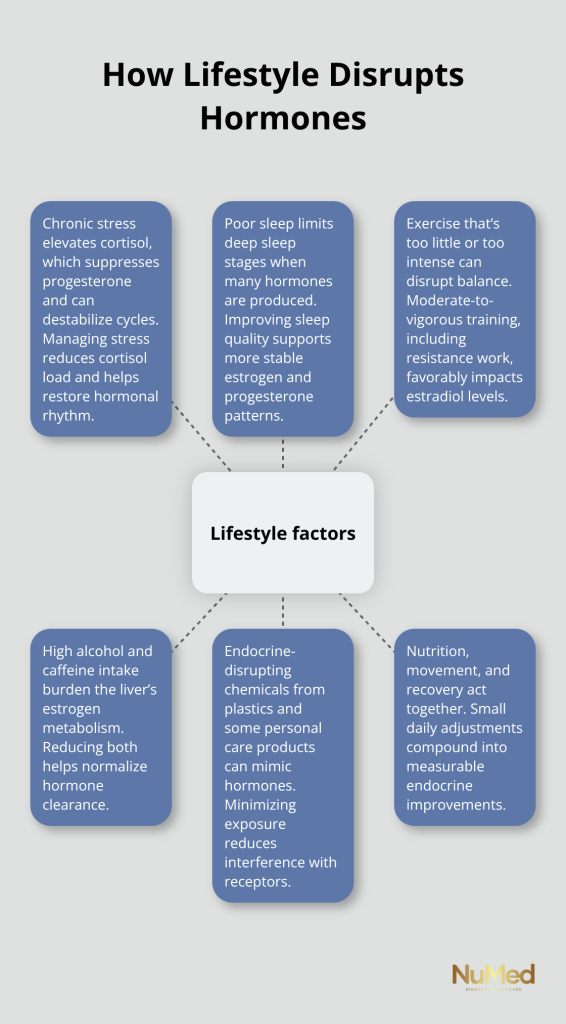
Inadequate physical activity and excessive exercise both disrupt hormones; regular exercise reduces total and free estradiol, with stronger effects in non-obese women and at higher intensities, according to research by Ennour-Idrissi and team. High alcohol and caffeine intake directly interfere with estrogen metabolism in your liver, while exposure to plastics and certain chemicals in personal care products introduces endocrine disruptors that mimic hormones in your body.
The Nutrient and Gut Connection
Nutrient deficiencies, particularly magnesium, vitamin D, B vitamins, and adequate fiber, prevent your body from synthesizing and metabolizing hormones efficiently. Your gut health directly influences hormone levels because your microbiome controls estrogen reabsorption; research from Zou and colleagues shows that probiotic intake may raise estradiol in premenopause and lower testosterone in postmenopause. This means your diet, sleep schedule, stress levels, and movement patterns aren’t peripheral to hormonal health-they’re foundational. Hormonal imbalance rarely stems from a single cause, which means addressing it requires changes across multiple lifestyle domains simultaneously rather than seeking a single supplement or medication fix. Understanding these interconnected factors sets the stage for exploring which dietary and movement strategies actually work to restore balance.
Nutrition and Movement as Your Foundation for Hormone Stability
Food Choices Control Hormone Production
Food directly controls hormone production in ways most people underestimate. Phytoestrogen-rich foods like soy, flaxseeds, and legumes act as active interventions rather than optional additions. Dietary phytoestrogens reduced severe hot flashes by up to 92%, with benefits confirmed to be safe according to recent research. Flaxseed lignans similarly reduce perimenopausal symptom severity according to Shrivastava’s 2025 trials. Vitamin E combined with omega-3 fatty acids reduces hot flash intensity, while vitamin E alone activates estrogen receptors and supports vaginal health based on work by Maghalian and Feduniw’s teams.
Targeted Nutrients and Gut Health
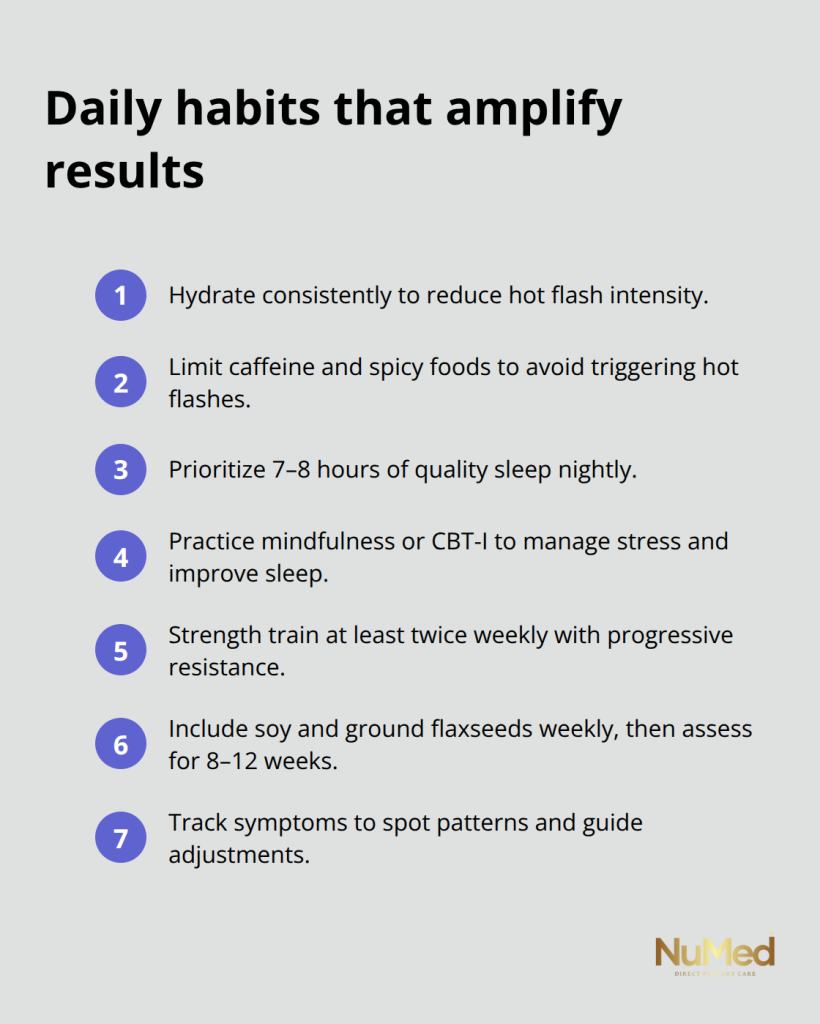
Curcumin at 500 mg daily reduces hot flashes within four weeks and improves lipid and glycemic indices in postmenopausal women, according to Ataei-Almanghadim’s research. Magnesium, vitamin D, B vitamins, and adequate fiber support your body’s ability to synthesize and metabolize hormones efficiently. Specific probiotic formulas with β-glucuronidase activity, like L. brevis KABP052, maintain or increase circulating estrogens over 12 weeks, meaning your gut microbiome choice matters as much as your food choices per Honda’s 2024 findings. Start with one soy-based meal weekly, incorporate ground flaxseeds into breakfast, and ensure every meal contains adequate protein and fiber rather than attempting dramatic dietary overhauls.
Exercise Intensity Determines Hormonal Outcomes
Exercise intensity and type determine hormonal outcomes more than frequency alone. Regular exercise reduces total and free estradiol with stronger effects in non-obese women and at higher intensities, according to Ennour-Idrissi’s research, making moderate activity insufficient for real change. Combined aerobic and resistance training improves bone mineral density at the lumbar spine and hips in postmenopausal women most effectively, according to Hejazi’s 2025 analysis. Exercise stimulates satellite cell proliferation in skeletal muscle, offsetting estrogen-related muscle loss during menopause, according to Geraci’s findings. Implement strength training at least twice weekly with progressive resistance rather than assuming light cardio addresses hormonal imbalance.
Sleep and Stress Shape Hormonal Stability
Stress management through mindfulness-based interventions improves both overall quality of life and vasomotor symptoms in menopausal women, based on Chen’s 2021 research. Sleep remains non-negotiable-about 60% of menopausal women experience insomnia, with sleep disruptions linked to higher evening cortisol and lower estrogen. Prioritize 7-8 hours nightly because hormone production peaks during deep sleep stages. If stress feels overwhelming, structured mindfulness practice or cognitive behavioral therapy for insomnia produces measurable results rather than hoping stress naturally decreases.
Moving From Lifestyle to Targeted Support
These foundational changes address hormonal imbalance at the systemic level, yet some symptoms persist despite consistent effort. When diet, exercise, sleep, and stress management alone don’t resolve your symptoms, targeted herbs and supplements offer additional support backed by clinical evidence-and knowing which ones actually work separates effective treatment from wasted money.
Which Herbs and Supplements Actually Work for Hormone Balance
Soy and Plant-Based Isoflavones Lead the Evidence
Soy isoflavones reduce severe hot flashes in postmenopausal women, with plant-based diets containing soy supplementation showing symptom remission in approximately 50% of cases. The European Food Safety Authority concluded that isoflavones do not adversely affect breast, thyroid, or uterine tissue in postmenopausal women, addressing the safety concerns that have long discouraged women from using soy. Red clover isoflavones offer a modest alternative, with the strongest effects appearing in women experiencing more than five hot flashes daily, according to Kanadys’ research. Start with one serving of tofu, tempeh, or edamame weekly and monitor your symptoms for 8-12 weeks before deciding if soy works for your body.
Flaxseeds, Curcumin, and Targeted Nutrients
Flaxseed lignans reduce perimenopausal symptom severity according to Shrivastava’s 2025 trials, making ground flaxseeds a practical addition to breakfast rather than a separate supplement. Curcumin reduces hot flashes in postmenopausal women, with an 8-week study showing that 500 mg curcumin improved oxidative stress and anti-inflammatory biomarkers. Magnesium, vitamin D, B vitamins, and adequate fiber support hormone synthesis and metabolism-these are not optional additions but foundational nutrients your body requires.
Probiotics and Gut-Hormone Connection
Specific probiotic formulas containing β-glucuronidase activity, like L. brevis KABP052, maintain or increase circulating estrogens over 12 weeks according to Honda’s 2024 findings, meaning your probiotic choice matters more than simply eating fermented foods. Your microbiome directly influences hormone levels, so selecting the right probiotic strain produces measurable results rather than hoping fermented foods alone address the problem.
Black Cohosh, Rhubarb, and Caution
Black cohosh deserves skepticism despite its popularity; safety concerns persist due to variable product quality, potential hepatotoxicity, and limited high-quality efficacy data according to recent analyses by Friederichsen, Mohapatra, and Le. Rhapontic rhubarb extract (ERr 731) significantly reduces menopausal symptom scores across several trials, though it remains less familiar than soy or black cohosh. Resveratrol improves bone mineral density at the lumbar spine and femoral neck, especially in those with poorer baseline bone health, according to Wong’s 2020 research, making it worth considering if osteoporosis concerns you.
Daily Habits That Amplify Supplement Effectiveness
Your daily habits matter more than which supplements you choose. Hydration directly reduces hot flash intensity, yet most women underestimate how much water they actually need during hormonal transitions. Avoiding caffeine and spicy foods prevents triggering hot flashes rather than treating them after they occur.
When symptoms persist despite consistent lifestyle changes and targeted supplementation, professional guidance becomes necessary rather than optional. A direct primary care approach (one that focuses on preventing illness by addressing root causes) allows practitioners to assess your individual hormonal patterns through comprehensive lab work, identify which supplements your body actually needs, and monitor whether your chosen interventions produce measurable results rather than hoping symptoms improve on their own.
Final Thoughts
Natural hormone balancing requires consistency across multiple domains rather than perfection in any single area. Your body responds to sustained changes in sleep quality, stress management, nutrient intake, and movement patterns working together, not to isolated interventions. Symptoms that persist despite 8-12 weeks of consistent effort signal that professional assessment can identify what your individual situation actually requires.
Your hormonal needs shift across life stages, so what supported your body at 35 may require adjustment at 50. Tracking symptoms through a journal or app reveals patterns that guide your next steps and show whether your current approach produces measurable results. If you’ve implemented dietary changes, exercise, stress reduction, and targeted supplementation without seeing improvement, that’s your signal to seek professional guidance rather than continuing to experiment alone.
We at NuMed DPC focus on preventing illness by addressing root causes through comprehensive lab work and personalized health coaching tailored to your unique hormonal patterns. Our direct primary care approach assesses your individual situation, identifies which interventions your body actually needs, and monitors whether your chosen approach produces real results. Your hormonal health deserves this level of attention and accountability.