
Menopause brings significant changes to your body and daily life, from hot flashes and sleep disruption to mood shifts and weight fluctuations. These symptoms affect roughly 1 billion women globally, yet many struggle without clear guidance on managing them effectively.
At NuMed DPC, we believe menopause lifestyle management shouldn’t rely solely on medication. Strategic changes to nutrition, exercise, sleep, and stress management can meaningfully reduce symptoms and improve your quality of life during this transition.
What Actually Happens to Your Body During Menopause
The Hormonal Shift and Physical Symptoms
Menopause begins with 12 consecutive months without a period, but the real transformation starts years earlier during perimenopause, typically in your mid-40s. Your ovaries gradually produce less estrogen and progesterone, hormones that regulate far more than reproduction. During perimenopause, estrogen helps regulate insulin production, glucose metabolism, and fat distribution. However, as levels become unstable in this phase, this hormonal shift triggers a cascade of physical changes that most women experience directly.
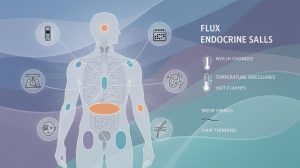
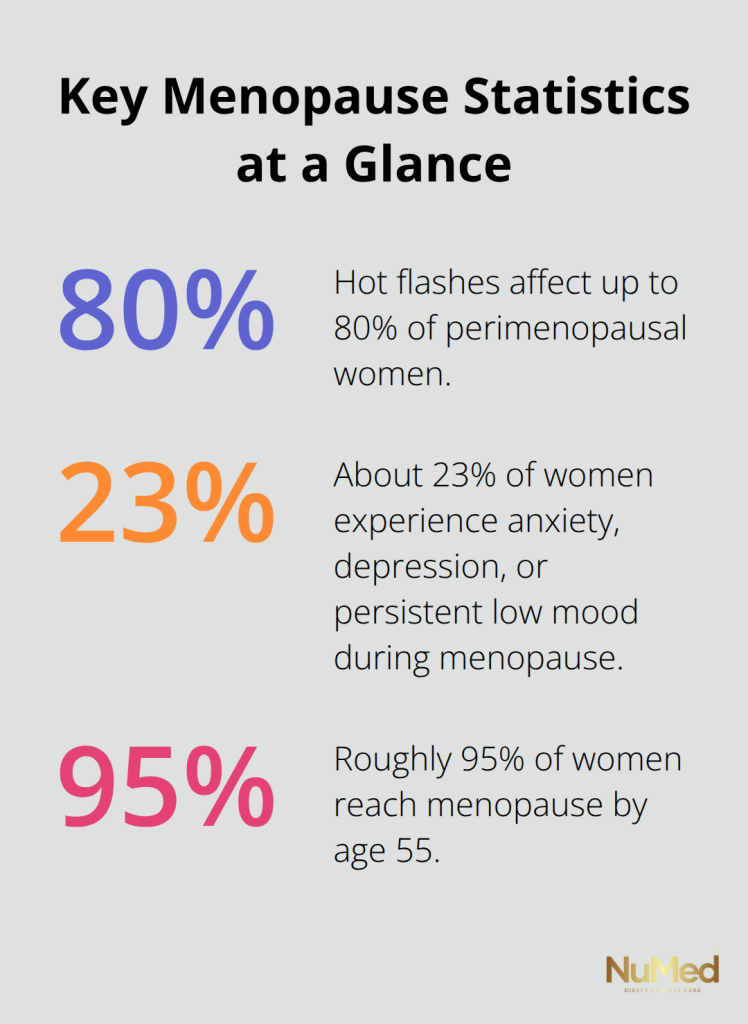
Hot flashes affect up to 80% of perimenopausal women, with some experiencing 10 or more per day. Night sweats often accompany hot flashes and disrupt sleep so severely that some women wake multiple times nightly. Vaginal dryness develops because estrogen maintains tissue elasticity and moisture; without adequate levels, intercourse becomes uncomfortable and urinary tract infections become more common.
Metabolic Changes and Weight Shifts
Your metabolic rate slows by approximately 2-8% per decade after age 30, and menopause compounds this effect significantly. Weight gain accelerates during menopause even without dietary changes, with many women gaining 5 to 8 pounds during the transition years. Fat storage concentrates around the abdomen, where metabolic changes shift your body composition in ways that diet and exercise alone cannot fully prevent.
Brain Chemistry and Cognitive Effects
Hormonal fluctuations directly affect your brain chemistry and mood regulation. Estrogen influences serotonin and dopamine production, so declining levels often trigger anxiety, depression, or persistent low mood in roughly 23% of women during menopause. Brain fog becomes a real obstacle; many women report difficulty concentrating, memory lapses, or slower mental processing during this phase. Sleep disturbance compounds these cognitive effects since poor sleep impairs focus and emotional regulation.
Individual Variation in Menopause Duration and Severity
The duration of menopause varies dramatically between individuals; some women experience symptoms for 4-5 years, while others endure them for a decade or longer. About 95% of women reach menopause by age 55, but the timing and severity of symptoms depend on genetics, smoking history, body composition, and overall health status. This individual variation means that comparing your experience to others provides little useful information-your menopause is distinctly yours.
Understanding these specific changes helps you recognize that what you experience is physiological, not psychological. Targeted lifestyle interventions can meaningfully address each symptom category rather than treating menopause as a single monolithic condition. With this foundation in place, you can now explore how nutrition and exercise strategies work to counteract these changes and restore comfort to your daily life.
Nutrition and Exercise Strategies for Menopause Comfort
Food Choices That Counter Menopause Symptoms
The Mediterranean dietary pattern stands out as the most evidence-backed approach for managing menopause symptoms and metabolic changes. This pattern emphasizes plants, fish, olive oil, whole grains, legumes, nuts, and moderate dairy while minimizing processed foods, added sugars, and red meat. Research shows this eating style supports better mood, healthier weight management, and improved cardiovascular health during menopause. You shift proportions rather than eliminate foods entirely. Try filling half your plate with vegetables and whole grains, a quarter with protein sources like fish or legumes, and the remainder with healthy fats from olive oil or nuts.
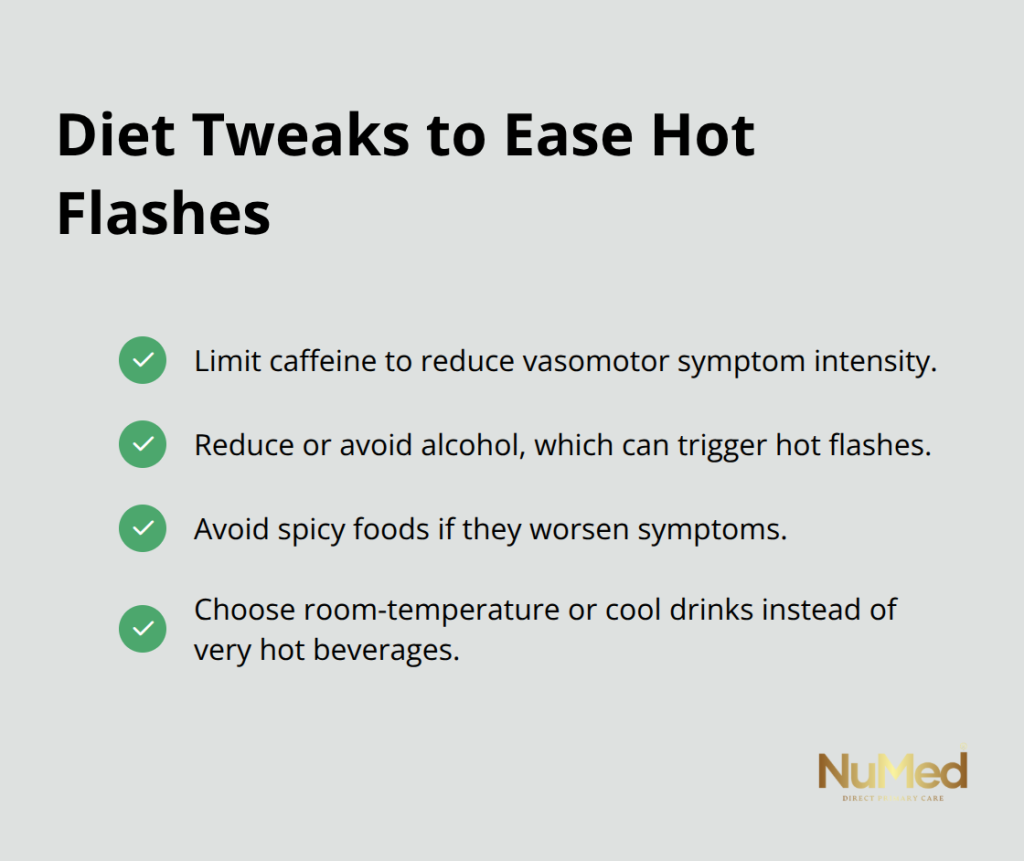
Hot flashes respond particularly well to dietary trigger identification. Caffeine, alcohol, and spicy foods intensify vasomotor symptoms in many women, so limiting these specific items often produces noticeable relief within days. Temperature matters too-very hot beverages can trigger hot flashes, so switching to room-temperature or cool drinks reduces unnecessary symptom provocation.
Weight Management and Nutrient Priorities
Weight management during menopause requires accepting that your body now stores fat differently around the abdomen. The same calorie intake that maintained your weight at 40 may cause a gain at 50. Rather than extreme restriction, focus on adequate protein intake, which preserves lean muscle mass and supports satiety. Include protein at each meal rather than concentrating it in one sitting.
Calcium intake should reach 1,000 to 1,200 milligrams daily through foods like leafy greens, sardines with bones, fortified plant milks, and yogurt. Pair this with approximately 10 micrograms of vitamin D to support bone density as estrogen decline accelerates osteoporosis risk. Herbal supplements like black cohosh and evening primrose oil lack robust evidence for symptom relief and perform no better than a placebo according to the Menopause Society, making dietary strategies more reliable investments of your time and resources.
Movement as a Symptom Management Tool
Physical activity directly reduces hot flashes, improves sleep quality, and protects bone density, making it one of the most powerful interventions available. Just 30 minutes of brisk walking five days a week has been linked to a 19% lower risk of heart disease, a benefit that extends beyond cardiovascular protection to include improved mood stability and better metabolic function.
The most effective menopause exercise programs combine aerobic activity like walking, dancing, or swimming with resistance training and weight-bearing exercises. This combination addresses bone loss while also improving body composition during a time when muscle naturally declines. Start with activities you actually enjoy rather than forcing yourself into exercise you dislike, since adherence matters far more than intensity. Resistance training two to three times weekly maintains lean mass, which slows metabolic decline and improves insulin sensitivity.
Hydration and Complementary Practices
Hydration requires intentional attention during this phase; adequate fluid intake supports concentration, reduces fatigue, and helps manage vaginal dryness from the inside out. Distribute water intake throughout the day rather than front-loading it, and limit fluids close to bedtime to reduce nighttime bathroom visits that fragment sleep.
Yoga and stretching practices offer the additional benefit of stress reduction, which indirectly improves sleep and mood disruptions tied to menopause. Phytoestrogen-rich foods from soy and flaxseed may provide modest symptom support, but whole foods offer better nutritional density than isolated supplements. These foundational nutrition and movement strategies create the conditions for better sleep and emotional resilience, two areas where menopause often creates the most disruption to your daily functioning.
Sleep, Stress, and Resilience During Menopause
Temperature Control and Sleep Environment
Sleep disruption during menopause ranks among the most debilitating symptoms women face, yet it remains one of the most addressable through targeted environmental and behavioral changes. Night sweats wake you multiple times nightly, fragmenting sleep architecture so severely that cognitive function deteriorates and mood regulation collapses. Your sleep environment matters more than you likely realize. Maintain a bedroom temperature between 60–67°F (15–19°C), use moisture-wicking bedding, and install a fan to create conditions where your body regulates temperature without constant waking.
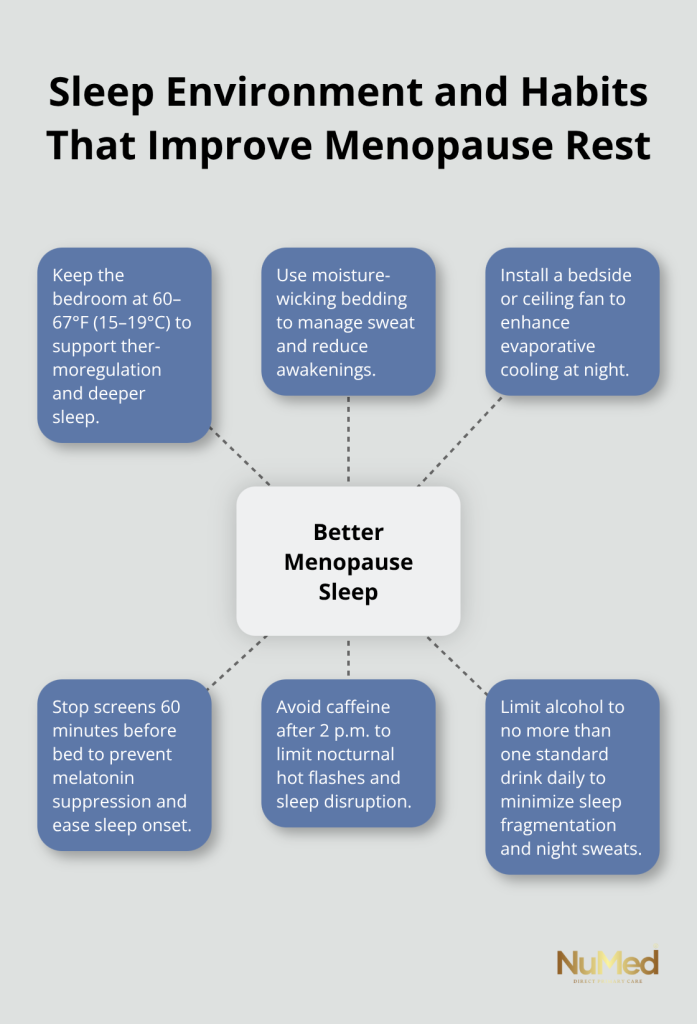
Caffeine consumed after 2 p.m. amplifies night sweats by increasing core body temperature, so eliminate afternoon coffee and tea to produce dramatic sleep improvements within one week. Alcohol appears helpful initially because it induces drowsiness, but it fragments sleep quality and intensifies night sweats during the second half of the night, making abstinence or limiting intake to no more than one standard drink daily far more effective than using alcohol as a sleep aid.
Sleep Consistency and Light Management
Establish a consistent sleep and wake time seven days a week rather than varying your schedule on weekends. This consistency strengthens your circadian rhythm and improves sleep consolidation. Screens emit blue light that suppresses melatonin production, so stop screen use 60 minutes before bed and keep your bedroom completely dark to support natural sleep onset. These environmental adjustments address the physiological mechanisms that disrupt sleep during menopause.
Stress Reduction and Cortisol Management
Stress reduction during menopause directly affects vasomotor symptoms and mood stability because cortisol elevation triggers hot flashes and anxiety. Mindfulness programs specifically reduce stress hormones and ease both hot flashes and sleep problems according to research cited by the International Menopause Society. A practical starting point involves 10 minutes of quiet breathing or stretching daily rather than attempting elaborate meditation routines-this modest commitment lowers stress hormones measurably and costs nothing. Cognitive behavioral therapy addresses both sleep anxiety and menopausal mood changes more effectively than supplements or general stress management because it targets the specific thought patterns that perpetuate sleep disruption and worry cycles.
Social Connection and Community Support
Social connection provides protection against depression, cardiovascular disease, and osteoporosis during menopause, making community engagement far more than an optional enrichment. Walking groups, volunteer activities, and regular time with friends reduce isolation and provide practical support during symptom flares when your normal routines become impossible. Women who maintain strong social connections experience fewer depressive episodes during menopause and demonstrate better adherence to health behaviors like exercise and nutrition changes. These relationships create accountability and emotional scaffolding during a transition that often feels isolating and unpredictable.
Final Thoughts
The lifestyle changes you’ve explored throughout this article form the foundation of effective menopause lifestyle management. Nutrition adjustments, consistent physical activity, quality sleep, and stress reduction work together to address the root causes of your symptoms rather than masking them temporarily. These changes take time to produce results, typically showing noticeable improvement within two to four weeks when you implement them consistently, and your individual response will vary based on genetics, overall health, and how thoroughly you integrate these strategies into your daily routine.
Menopause lifestyle management becomes significantly more effective when you pair it with professional healthcare support. A clinician who understands menopause can identify whether your symptoms warrant hormone therapy, non-hormonal medications, or whether lifestyle interventions alone will suffice for your specific situation, and they can also screen for conditions like thyroid disorders or vitamin deficiencies that mimic or worsen menopausal symptoms. At NuMed DPC, we recognize that menopause requires more than a rushed appointment-our direct primary care model provides extended visits where we discuss your symptoms, sleep patterns, mood changes, and lifestyle factors comprehensively.
You see the same clinician consistently, allowing us to track how your body responds to dietary changes or exercise modifications over time. We integrate health coaching and transparent pricing so you can afford the ongoing support menopause demands without financial stress. Your menopause experience belongs entirely to you, and the empowering choice is gathering accurate information, working with a healthcare provider who listens, and adjusting your approach based on what actually works for your body.