
Hormone imbalances affect millions of people, yet many don’t realize how much their symptoms stem from declining hormone levels. Bioidentical hormone replacement therapy offers a science-based approach to restoring balance and improving quality of life.
At NuMed DPC, we’ve seen firsthand how personalized hormone therapy can transform patient outcomes. This guide walks you through what bioidentical hormones are, how they work, and whether they might be right for you.
What Bioidentical Hormones Actually Are
Bioidentical hormones are lab-made compounds that match your body’s natural hormone structure molecule-for-molecule. They start as plant steroids like diosgenin from soy or wild yams, then undergo chemical conversion in a laboratory to become estradiol, progesterone, or testosterone. This distinction matters because your body recognizes these hormones as chemically identical to what it produces, which is why they’re called bioidentical. The FDA has approved several bioidentical options, including Estrace and Climara patches for estrogen, and Prometrium for progesterone. However, many bioidentical hormones are compounded by pharmacies without FDA oversight, meaning their quality and consistency vary significantly. Compounded products lack the safety testing and quality controls that FDA-approved versions undergo, so if you choose compounded bioidentical hormones, working with a reputable compounding pharmacy becomes critical.
Why Chemical Structure Matters More Than Marketing
The term bioidentical gets thrown around in marketing, but the chemical structure determines how your body processes these hormones. Synthetic alternatives like conjugated estrogens contain different molecular structures that your body must convert or metabolize differently. Research by Bailey and Rothenberger in 2025 compared subcutaneous bioidentical pellets to compounded transdermal lotion, finding that pellet therapy produced greater improvement in hot flashes within six weeks, with a reduction of 2.08 points versus 1.03 for lotion therapy.
How Hormones Support Your Body’s Core Functions
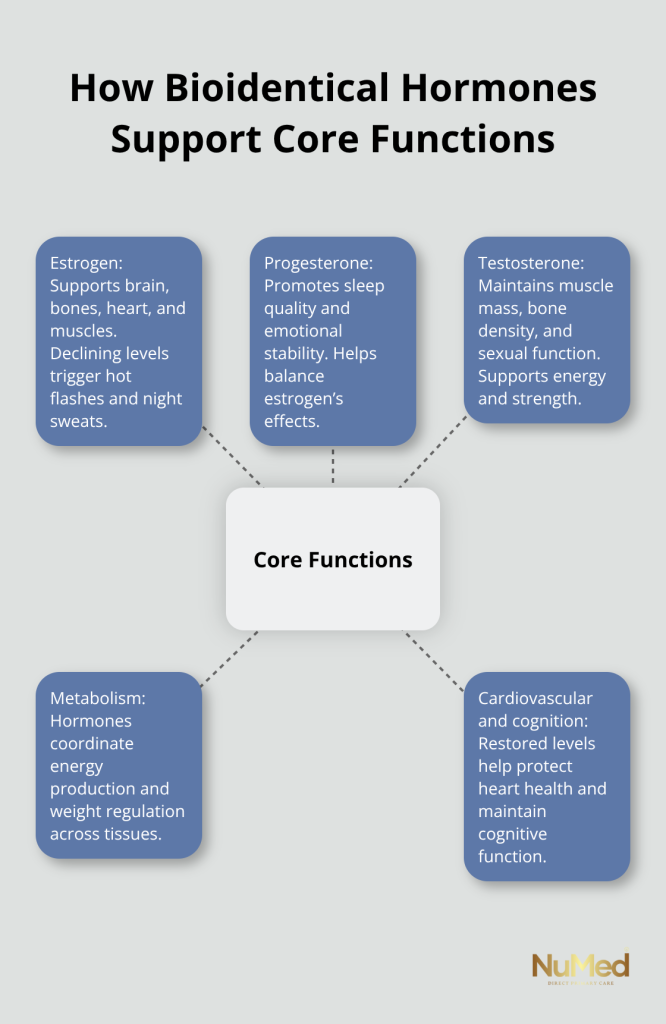
Bioidentical hormones support critical body functions more directly than synthetic alternatives. Estrogen affects your brain, bones, heart, and muscles, which is why declining estrogen during menopause triggers vasomotor symptoms like hot flashes and night sweats. Progesterone supports sleep quality and emotional stability, while testosterone maintains muscle mass, bone density, and sexual function. These hormones work together to regulate metabolism, protect cardiovascular health, and maintain cognitive function throughout your life.
The Timing Advantage for Maximum Benefits
Starting bioidentical hormone replacement within ten years of your last menstrual period positions you to gain maximum symptom relief and protective benefits for bone health. Hormone therapy reduced the risk of fractures, which is a significant clinical benefit. This timing window matters because your body responds most effectively to hormone restoration when the transition from natural production to supplementation occurs sooner rather than later. Understanding your individual hormone levels and how they’ve shifted sets the stage for the personalized assessment that comes next.
What Bioidentical Hormone Replacement Actually Changes for Your Health
Measurable Symptom Relief Within Weeks
Bioidentical hormone replacement therapy produces measurable changes in how you feel and function, not just theoretical improvements. Research from Bailey and Rothenberger in 2025 compared subcutaneous bioidentical pellets to compounded transdermal lotion and found that women using pellets experienced a 2.08-point reduction in hot flashes within six weeks compared to a 1.03-point reduction with lotion. This difference translates to real relief: women on pellet therapy reported significant improvements in night sweats, sleep quality, memory clarity, vaginal dryness, fatigue, and sexual function.
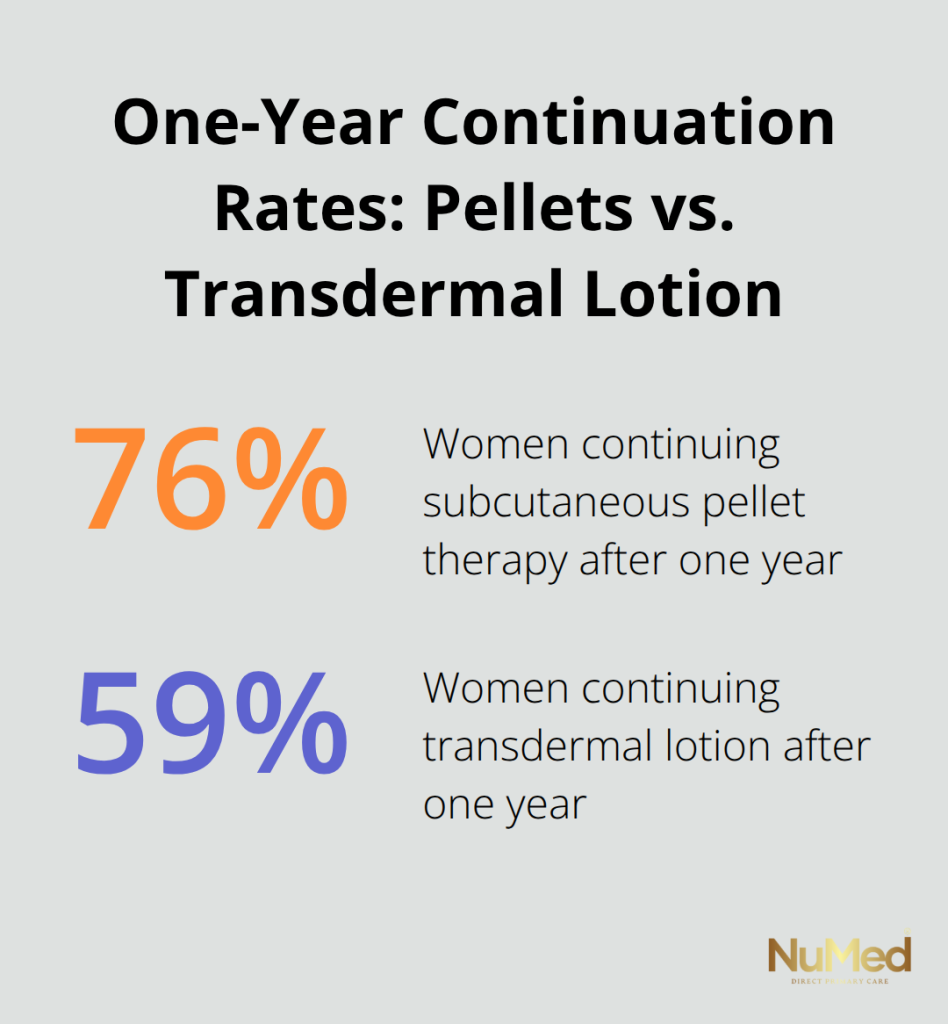
The same study found that 76% of women continued pellet therapy after one year versus only 59% on transdermal lotion, indicating that symptom relief was substantial enough to sustain long-term commitment. This continuation rate matters because it reflects actual patient satisfaction with outcomes, not just theoretical benefits.
Restored Energy and Metabolic Function
Bioidentical hormones restore metabolic function by stabilizing the hormonal signals that regulate energy production and weight management. Estrogen decline during menopause slows metabolism and shifts fat distribution, making weight gain nearly inevitable without intervention. Restoring estradiol to physiologic levels reverses this metabolic slowdown, allowing your body to process calories more efficiently and maintain muscle mass that typically declines with age.
Testosterone, whether in women or men experiencing andropause, directly supports muscle protein synthesis and mitochondrial energy production. This explains why patients report clearer thinking and sustained energy after starting therapy. The metabolic improvements occur because hormones control how your cells produce and use energy at a fundamental level.
Bone Protection and Fracture Prevention
Bone protection represents one of the most important long-term benefits of starting bioidentical hormone replacement within ten years of menopause onset. Estrogen directly suppresses osteoclasts (the cells responsible for bone breakdown), so declining estrogen accelerates fracture risk substantially. The FDA emphasized in recent labeling updates that hormone therapy reduces fracture risk by 50 to 60%, a reduction magnitude comparable to pharmaceutical bone-strengthening drugs but with the added benefit of symptom relief.
Cardiovascular Health Through Multiple Mechanisms
Cardiovascular health improves through multiple mechanisms when you restore estrogen to physiologic levels. Estrogen reduces LDL oxidation and improves endothelial function. The timing of therapy initiation matters significantly for cardiovascular outcomes. Starting hormone replacement within ten years of menopause onset correlates with up to 50% reduction in cardiovascular disease risk according to randomized evidence, whereas delayed initiation shows weaker protection.
This timing advantage exists because early hormone restoration prevents the cascade of vascular changes that occur during the estrogen-depleted years. Your cardiovascular system responds most favorably when you address hormone decline sooner rather than later.
Individualized Dosing and Monitoring Requirements
These benefits require proper hormone testing and individualized dosing rather than standard off-the-shelf approaches. Your baseline testosterone, estradiol, and FSH levels determine your starting dose and delivery method, and subsequent adjustments depend on symptom response and lab monitoring every four to ten weeks initially. Compounded bioidentical hormones offer customization but lack FDA quality oversight, so if you choose this route, selecting a pharmacy with rigorous quality standards becomes non-negotiable. FDA-approved bioidentical options like Estrace patches and Prometrium provide consistent dosing with regulatory assurance, making them preferable when they adequately address your symptoms. The next step involves understanding how to assess whether you’re a candidate for bioidentical hormone replacement and what testing reveals about your individual hormone status.
How to Find Your Right Hormone Dose
Personalized bioidentical hormone replacement starts with testing that reveals your actual hormone status, not assumptions based on age or symptoms alone. Baseline labs measure vitamin D, B12, FSH, estradiol, progesterone, testosterone, and lipids, collected in the morning when hormone levels are most stable. These numbers establish your individual starting point. If you use subcutaneous pellets, follow-up labs occur approximately four weeks after insertion, while transdermal therapies require testing around ten weeks after initiation. This timing matters because hormone levels reach steady state at different rates depending on delivery method.
Pellet Versus Transdermal: Dosing Differences
Pellet therapy with estrogen dosing between 6 and 18 mg and testosterone between 50 and 175 mg typically maintains effectiveness for four months before reinsertion becomes necessary. Transdermal lotions containing estradiol 1.5 mg and testosterone 7 mg applied nightly allow adjustments every two to three weeks based on symptom response and lab values. The critical principle here is that your dose should keep testosterone below 250 ng/dL to minimize androgenic side effects, while estradiol and progesterone levels target the physiologic range your body naturally maintained before decline.
Symptom Tracking and Lab-Based Adjustments
Dosing adjustments happen through symptom tracking combined with objective lab data rather than guesswork. Research found that women on pellet therapy experienced significantly greater improvements in hot flashes compared to transdermal lotion, yet both groups reported similarly low rates of adverse events. This means your delivery method choice should prioritize symptom relief while remaining within safe monitoring parameters.
FDA-Approved Versus Compounded Options
FDA-approved bioidentical products like Estrace patches offer consistency and regulatory assurance, making them the preferred starting point when they adequately address your symptoms. Compounded options provide greater customization but require working with a reputable compounding pharmacy that maintains rigorous quality standards, since these products lack FDA oversight. The monitoring frequency matters significantly during the first year, with follow-ups every few months initially and at least annually thereafter once your regimen stabilizes.
Timeline for Noticing Results
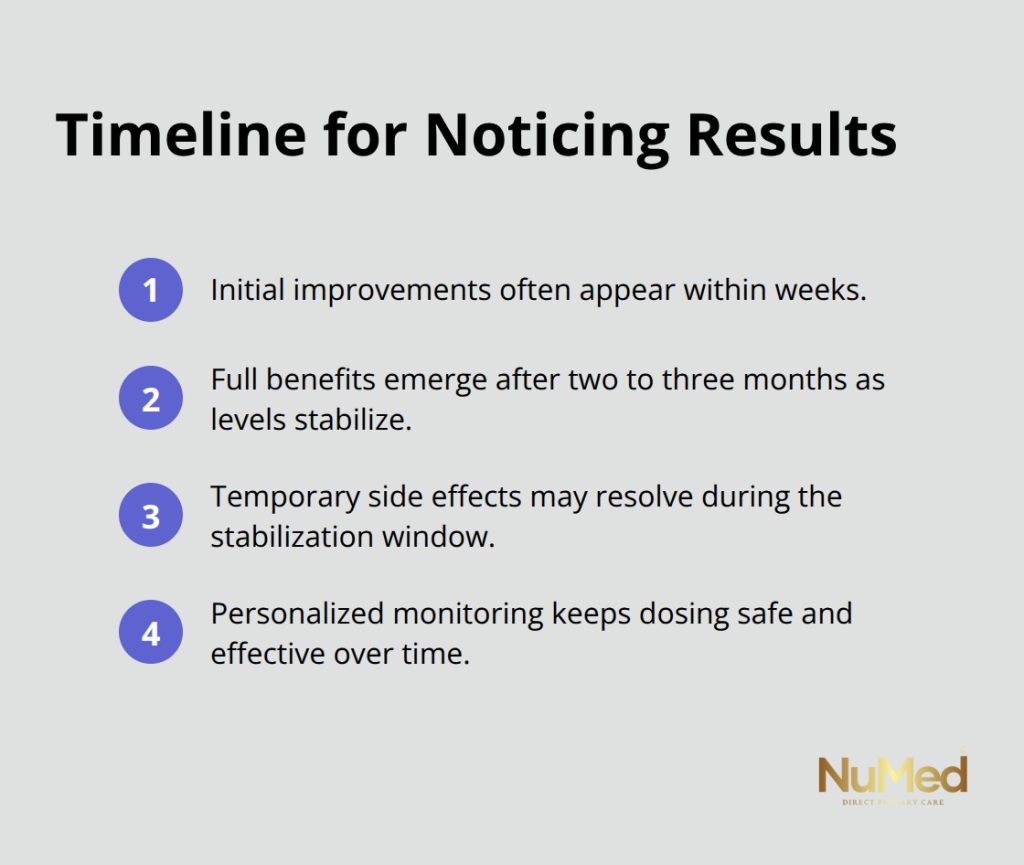
Many women notice initial improvements within weeks, but full benefits emerge after two to three months as hormones stabilize and your body adapts to restored levels. Side effects like breast tenderness, bloating, or mood changes often resolve within this stabilization window rather than persisting long-term. This evidence-based approach to dosing and monitoring distinguishes effective personalized therapy from generic hormone replacement protocols.
Final Thoughts
Bioidentical hormone replacement therapy works because it restores hormones your body recognizes and processes efficiently, delivering measurable improvements in hot flashes, sleep quality, energy, and bone health when started within the right timeframe. Women using pellet therapy experienced twice the hot flash reduction compared to transdermal options, and 76% continued treatment after one year, reflecting genuine symptom relief rather than placebo effect. Starting therapy within ten years of menopause onset positions you for maximum cardiovascular protection and fracture prevention, with research showing up to 50% reductions in cardiovascular disease risk and 50 to 60% reductions in fracture risk.
What makes bioidentical hormone replacement effective is personalization, not the hormone type alone. Your individual hormone levels, symptom patterns, and health history determine whether FDA-approved options like Estrace patches suffice or whether compounded therapy better addresses your needs. Proper monitoring every four to ten weeks initially, then annually, keeps your dose within safe ranges while delivering the symptom relief you need, preventing both under-treatment and the androgenic side effects that occur with excessive dosing.
The decision to pursue bioidentical hormone replacement deserves a clinician who understands both the benefits and the regulatory landscape. If you’re experiencing menopausal or andropause symptoms, or if you want to understand your hormone status before symptoms become severe, scheduling a consultation allows you to discuss your individual risk factors, symptom patterns, and treatment preferences with someone who takes time to listen and customize your care.