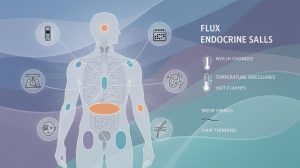

This guide walks you through evidence-based lifestyle changes, dietary strategies, and functional medicine approaches that address root causes instead of just masking Hormone symptoms.
What Hormone Symptoms Are Actually Telling You
Hormonal imbalances produce real, measurable symptoms that most people attribute to aging, stress, or simple fatigue. Weight gain, fatigue, mood swings, and skin changes signal that your endocrine system needs attention-they are not normal parts of life.
The North American Menopause Society reports that approximately 75% of people experience menopause symptoms, yet many remain untreated because conventional medicine treats each symptom separately rather than investigating the hormonal root cause.
A woman experiencing both weight gain and mood swings might receive antidepressants and diet advice without anyone measuring her estrogen, progesterone, or thyroid levels. This fragmented approach wastes time and money while symptoms persist. Regular monitoring could reveal imbalances early.
Why Lab Numbers Don’t Always Match How You Feel
Hormone levels fluctuate throughout the day and month, making single-point testing unreliable for diagnosis. Two patients with identical estrogen readings feel completely different because thyroid function, sleep quality, stress levels, nutrition, medications, and overall health profoundly influence symptoms. Your cortisol might be elevated from poor sleep rather than a true adrenal disorder, or your insulin resistance might drive weight gain despite normal fasting glucose. Comprehensive hormone testing should include estradiol, progesterone, testosterone, thyroid markers (including TSH and free T3), cortisol patterns, vitamin D, and often DHEA or other markers depending on your presentation. Treating the person means understanding their complete biochemical picture, not just reacting to isolated lab results. This is why functional medicine practitioners spend time reviewing your symptom timeline, dietary patterns, exercise history, and stress exposure alongside laboratory data.
How Hormones Control More Than You Realize
Hormones regulate metabolism, energy production, reproduction, mood, bone density, cardiovascular function, and immune response. Estrogen and progesterone influence serotonin and GABA production, directly affecting anxiety and depression risk. Cortisol dysregulation from chronic stress impairs glucose control and promotes abdominal weight gain while suppressing immune function. Thyroid hormone imbalance slows metabolism and causes fatigue that no amount of sleep corrects. Insulin resistance develops silently for years before causing noticeable weight gain or blood sugar problems, yet it accelerates aging and increases disease risk. The decline in estrogen during menopause can impair glucose control, potentially elevating A1c levels and increasing insulin resistance according to endocrinology literature. Conventional practitioners often miss these connections because they operate within narrow specialties-your primary care doctor doesn’t order thyroid testing when you report fatigue, or your gynecologist doesn’t assess cortisol when discussing mood changes.
Why Root Cause Investigation Requires a Systems Approach
Your hormones function as an interconnected system rather than isolated glands. When one hormone shifts, it triggers cascading effects throughout your body. Elevated cortisol suppresses thyroid function and increases insulin resistance. Low progesterone amplifies cortisol’s effects and worsens anxiety. Thyroid dysfunction impairs estrogen metabolism and increases estrogen dominance. These connections remain invisible when practitioners examine hormones in isolation. A direct primary care model like NuMed DPC addresses hormonal health by looking at your complete biochemical picture and how each system influences the others. This systems-based approach identifies why your symptoms persist despite normal individual lab values and reveals which interventions will actually work for your unique situation.
Building a Nutrition and Lifestyle Foundation for Hormonal Balance
The foods you eat directly influence hormone production because healthy fats serve as essential components of estrogen, progesterone, and testosterone synthesis. Without adequate fat intake, your body cannot manufacture the hormones it needs. Sources like avocados, fatty fish such as salmon and sardines, nuts, seeds, and olive oil provide the building blocks your endocrine system requires. Protein matters equally because amino acids support peptide hormone production, making eggs, Greek yogurt, lean meats, and lentils non-negotiable dietary staples. Fiber and cruciferous vegetables including broccoli, Brussels sprouts, and cabbage actively reduce excess estrogen by binding it for excretion and supporting liver detoxification. Try consuming 25 to 30 grams of fiber daily through whole grains, legumes, and vegetables. Refined sugars and heavily processed foods destabilize insulin and cortisol, accelerating hormonal disruption. Most people notice their symptoms improve dramatically within 4 to 6 weeks of eliminating processed foods and prioritizing whole nutrition.
Exercise and Sleep Create Synergistic Hormone Regulation
Exercise frequency matters more than intensity for hormone regulation. About 150 minutes weekly of moderate aerobic activity combined with strength training reduces menopausal symptoms, improves insulin sensitivity, and increases hormone receptor sensitivity. Strength training specifically boosts growth factors and testosterone production, supporting endocrine health beyond general fitness benefits. Sleep quality directly regulates cortisol, growth hormone, and leptin; try sleeping 7 to 9 hours nightly because insufficient sleep elevates cortisol and promotes weight gain regardless of diet quality. When sleep and exercise combine consistently, they create synergistic effects on hormone stability that neither achieves alone.
Cortisol Control Through Practical Stress Reduction
Chronic stress elevates cortisol persistently, which suppresses thyroid function, increases insulin resistance, and promotes abdominal fat storage. Mindfulness practices including meditation, deep breathing, and yoga lower cortisol measurably and reduce anxiety without medication. Research from Jon Kabat-Zinn demonstrates that consistent mindfulness practice produces measurable physiological changes in stress hormone patterns. Implement one 10-minute meditation session daily rather than attempting lengthy practices that feel burdensome. Many people find that morning or evening breathing exercises prove more sustainable than formal meditation. Limit caffeine intake because excessive caffeine amplifies cortisol response to stress, particularly in individuals prone to anxiety.
Magnesium and Micronutrient Support
Magnesium supports cortisol regulation and liver estrogen clearance, making supplementation valuable when dietary sources prove insufficient. Red blood cell magnesium testing provides more accurate assessment than standard serum testing. Consistency matters more than perfection; a moderate exercise routine maintained for months produces better hormonal outcomes than intense workouts abandoned after weeks. These foundational strategies-whole foods, regular movement, quality sleep, and stress management-work together to stabilize your hormonal environment. Once you establish these practices, targeted supplementation and functional medicine testing reveal which additional interventions address your specific imbalances.
Testing and Supplementation in Functional Medicine
Functional medicine practitioners order hormone testing that conventional doctors skip, which is why many patients discover their imbalances only after switching providers. Standard lab panels measure TSH but not free T3 or reverse T3, missing thyroid dysfunction that drives fatigue and weight gain.
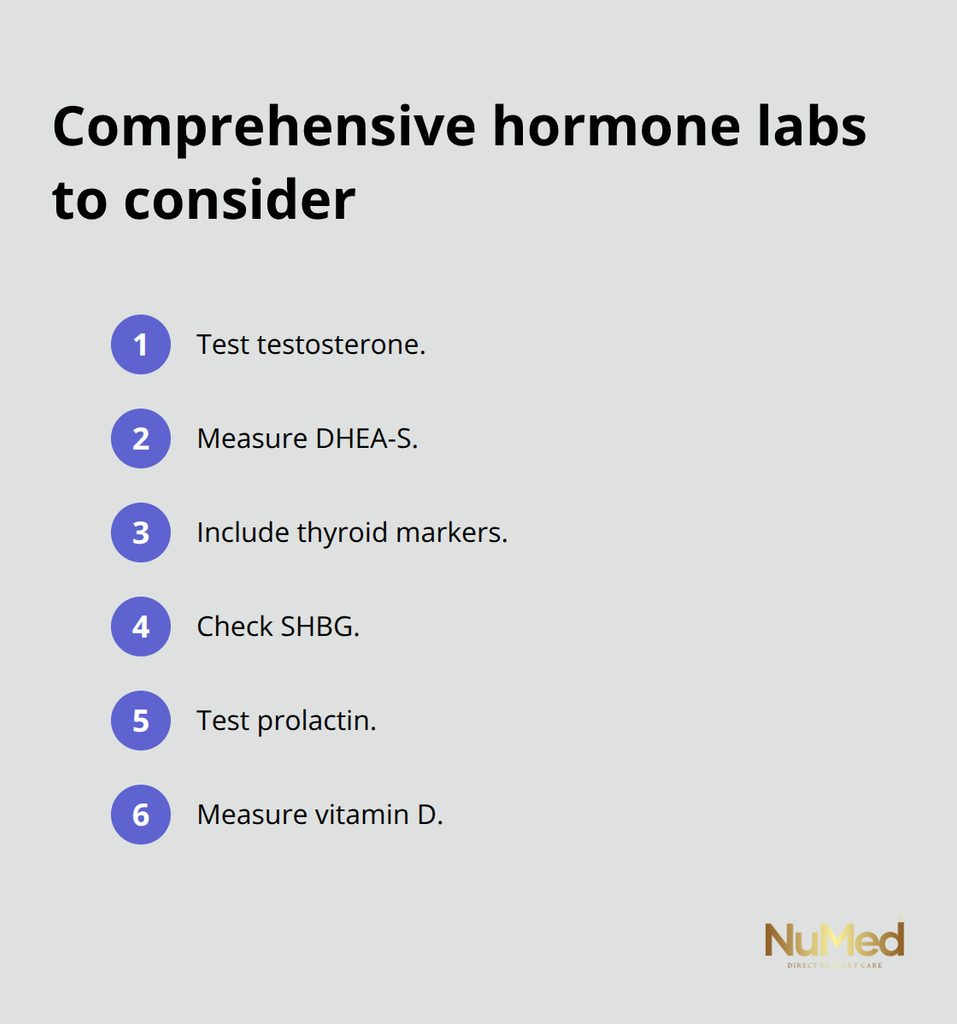
Comprehensive hormone assessment should include testosterone, DHEA-S, thyroid markers, SHBG, prolactin, and vitamin D depending on your symptoms. Red blood cell magnesium testing reveals deficiency more accurately than serum magnesium because most magnesium resides inside cells. Vitamin D deficiency is remarkably common in adults, yet many doctors never test for it despite its influence on bone density, mood, and immune function. Once testing identifies your specific deficiencies and imbalances, supplementation becomes targeted rather than random. Taking a multivitamin when your actual problem is magnesium depletion wastes money and fails to address the root cause.
Supplement Selection Demands Third-Party Verification
Dietary supplements operate under DSHEA regulations and are not FDA-approved for safety or efficacy, meaning product quality varies dramatically between manufacturers. Look exclusively for supplements carrying third-party seals from USP, NSF, or ConsumerLab to verify that ingredients match label claims and purity standards. The three vitamins to prioritize during menopause according to NIH guidance are vitamin D for bone and mood support, vitamin E for hot flashes and inflammation reduction, and vitamin B6 for mood and neurotransmitter production. Black cohosh shows the strongest botanical evidence for vasomotor symptom relief, though benefits remain modest and sometimes similar to placebo according to the Menopause Society position statement. Vitex or chaste tree berry supports progesterone production and cycle regularity, making it valuable during perimenopause when progesterone fluctuates wildly. Omega-3 fatty acids improve insulin sensitivity and receptor function while supporting brain health, with oily fish, flaxseeds, and walnuts serving as reliable sources. Ashwagandha lowers cortisol measurably when taken consistently, helping both stress management and sleep quality. Avoid multi-ingredient menopause formulas because you cannot determine which component actually works or adjust dosing precisely. Single-ingredient supplements allow you to start low, increase gradually, and identify what your body responds to.
Comprehensive Testing Reveals Hidden Imbalances
Functional medicine practitioners spend 60 to 90 minutes on initial consultations reviewing your complete medical history, symptom timeline, dietary patterns, sleep quality, stress exposure, and family history. This contrasts sharply with conventional appointments lasting 15 to 20 minutes where root cause investigation rarely occurs. These providers order comprehensive testing, interpret results within the context of your symptoms and biochemistry, and design personalized protocols rather than prescribing standard treatments. They understand that two patients with identical estrogen readings need completely different interventions based on their thyroid function, sleep patterns, stress levels, and nutritional status. Functional medicine approaches cost more upfront but typically cost far less long-term because they prevent disease progression and reduce the need for multiple specialists and medications. Direct primary care models integrate functional medicine principles with accessible pricing and extensive lab services, eliminating insurance delays and providing the time necessary for thorough evaluation.
Final Thoughts
Natural hormone balancing succeeds when you address root causes rather than treat symptoms in isolation. The strategies outlined in this guide-comprehensive nutrition, consistent exercise, quality sleep, stress reduction, and targeted supplementation-form the foundation of hormonal health because they stabilize your entire endocrine system instead of forcing individual hormones into artificial balance. Most people notice meaningful improvements within 4 to 6 weeks of implementing these changes consistently, though deeper imbalances may require 3 to 6 months of sustained effort.
The missing piece for many people is personalized testing that reveals their specific imbalances (standard lab work misses thyroid dysfunction, magnesium depletion, vitamin D deficiency, and cortisol dysregulation that drive persistent symptoms). Once you understand your unique biochemistry, supplementation and lifestyle adjustments become targeted and effective rather than random and expensive. Direct primary care transforms hormone health outcomes by spending the time necessary to investigate your complete medical history, order comprehensive functional medicine testing, and design personalized protocols based on your actual biochemistry.
Your natural hormone balancing journey begins with implementing foundational lifestyle changes today. Track your symptoms, prioritize sleep and movement, optimize your nutrition, and manage stress intentionally. When you’re ready for deeper investigation and personalized support, contact NuMed DPC to work with practitioners trained in functional medicine who understand that hormonal systems require comprehensive assessment and individualized care.