Your body sends signals when something’s off balance. Fatigue that won’t lift, unexplained weight shifts, mood swings, and sleep problems often point to hormone imbalance signs that deserve attention.
At NuMed DPC, we see patients every day who’ve struggled for months or years before understanding what’s really happening inside their bodies. The good news is that recognizing these patterns early opens the door to real solutions.
The Five Signs Your Hormones Need Attention
Your body sends signals when something’s off balance. Fatigue that won’t lift, unexplained weight shifts, mood swings, and sleep problems often point to hormone imbalance signs that deserve attention.
Persistent Fatigue Despite Adequate Sleep
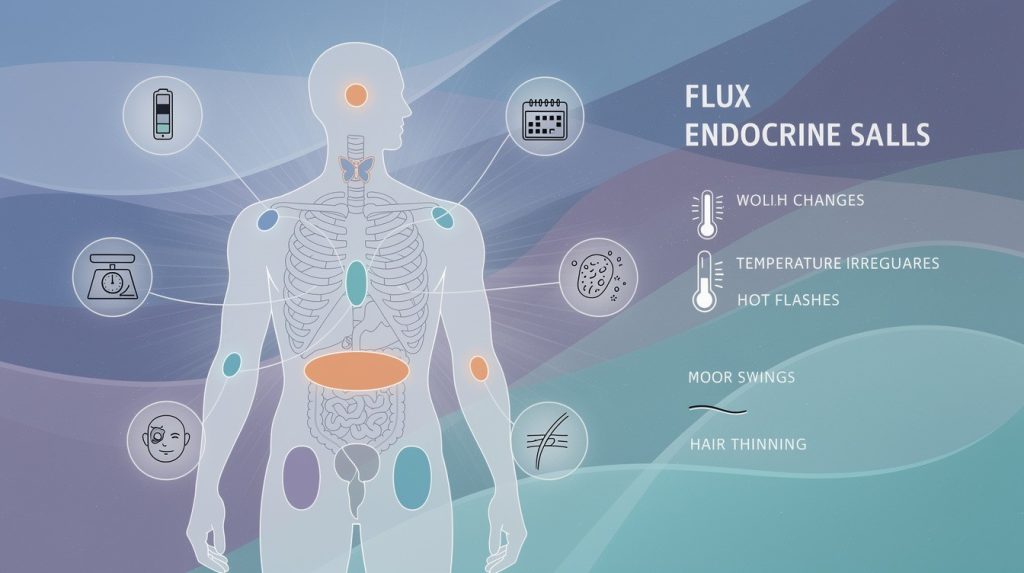
Fatigue that persists despite adequate sleep signals a serious problem. When your cortisol rhythm falls out of sync due to chronic stress, you wake exhausted and crash by afternoon. Thyroid dysfunction compounds this: hypothyroidism slows your metabolism and depletes energy, while hyperthyroidism creates a wired-but-tired sensation. If you’re sleeping eight hours and still feel drained, your hormones likely need evaluation.
Unexplained Weight Shifts and Metabolic Changes
Weight shifts without diet changes point directly to metabolic hormone disruption. Insulin resistance causes sugar cravings and fatigue after meals, often preceding type 2 diabetes. Thyroid imbalance accelerates weight gain around the midsection. Women in their late 30s frequently experience estrogen and progesterone fluctuations that trigger unexplained weight changes, while men over 30 notice a gradual testosterone decline paired with increased abdominal fat and reduced muscle. Tracking your weight alongside energy levels and appetite patterns reveals the hormonal connection most people miss.
Mood Swings Rooted in Hormone Shifts
Irritability, anxiety, or depression that feels disconnected from life circumstances often reflects a hormonal imbalance rather than a mental health crisis alone. Women report increased anxiety and irritability during hormonal fluctuations, while men experience mood shifts from testosterone changes. Sleep disruption amplifies this: poor sleep worsens cortisol imbalance and intensifies mood instability.
Visible Changes in Skin and Hair
Skin problems and hair loss follow hormonal chaos because excess androgens trigger acne and accelerate hair shedding. Women with hormone imbalances frequently report acne flare-ups, thinning hair, and dry skin, while men may notice similar patterns. These visible changes aren’t cosmetic issues; they’re signals that your endocrine system needs support.
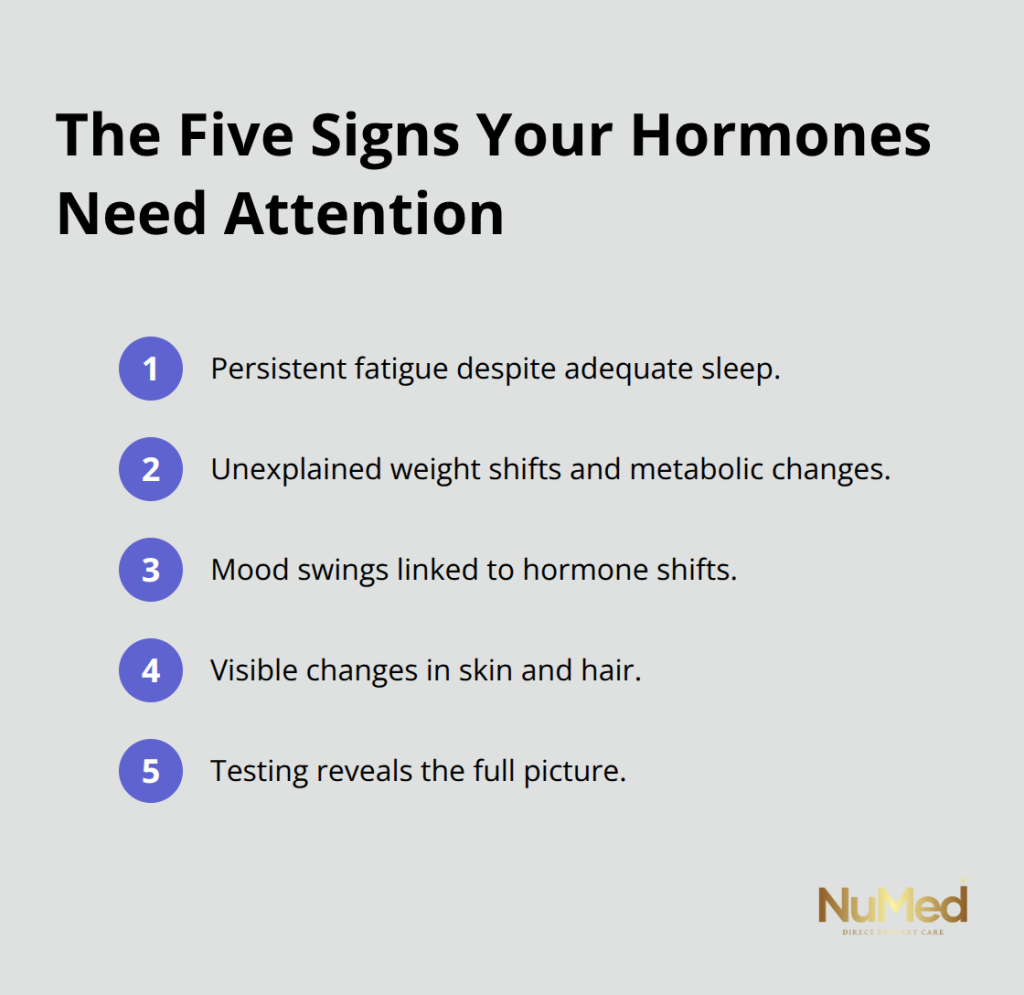
Testing Reveals the Full Picture
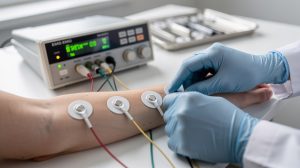
Identifying hormonal imbalance requires looking at the whole picture-your sleep quality, stress load, energy patterns, and physical symptoms together. Testing typically includes thyroid panels measuring TSH, T3, and T4, along with estrogen, progesterone, testosterone, cortisol, fasting insulin, and A1C measurements. Saliva or urine tests supplement blood work in specific cases to capture hormone rhythms more accurately. The key is matching test results to your actual symptoms rather than treating numbers in isolation. Once you understand what your body is telling you, the next step involves working with a healthcare provider who takes time to interpret these results in the context of your complete health picture.
How Your Hormones Control Four Critical Body Systems
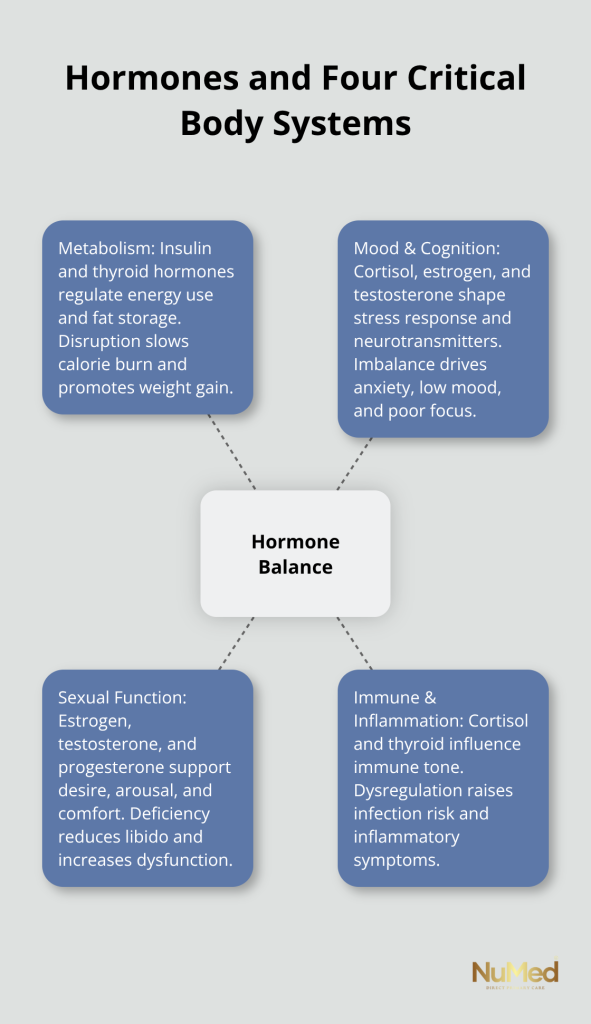
Hormones function as your body’s chemical messengers, and when they fall out of balance, multiple systems suffer simultaneously. Understanding how hormonal disruption affects metabolism, mood, sexual function, and immune response helps explain why symptoms feel so widespread and why treating the root cause matters far more than chasing individual complaints. Your metabolic rate, emotional stability, sexual health, and infection-fighting ability all depend on hormonal harmony, which means a single hormone imbalance can trigger a cascade of problems across your entire body.
Metabolism and Weight Stall When Insulin and Thyroid Hormones Fail
Insulin resistance develops silently in many people, often progressing for years before obvious symptoms appear. When your cells stop responding properly to insulin, your body compensates by producing more, which drives fat storage around your midsection and creates intense sugar cravings within two to three hours after eating. This metabolic dysfunction accounts for a significant portion of unexplained weight gain cases that don’t respond to standard calorie restriction.
Thyroid hormones control your resting metabolic rate, meaning even modest thyroid decline reduces the calories you burn at rest by 10 to 15 percent. In women, estrogen decline during the late 30s and 40s slows metabolism and shifts fat storage toward the abdomen, while testosterone loss in men after age 30 reduces muscle mass and increases metabolic slowdown. The practical reality is that diet and exercise alone cannot overcome these hormonal barriers, which is why so many people plateau despite genuine effort. Testing your fasting insulin level alongside thyroid markers and assessing insulin sensitivity through A1C measurements reveals whether your weight problem stems from metabolic hormone dysfunction or lifestyle factors alone.
Mood and Cognitive Function Depend on Cortisol, Estrogen, and Serotonin Regulation
Cortisol rhythm disruption from chronic stress creates a specific pattern: waking unrefreshed despite sleep, afternoon energy crashes, and evening insomnia that perpetuates the cycle. Estrogen fluctuations trigger anxiety and irritability in women, particularly in the luteal phase of the menstrual cycle when progesterone drops while estrogen remains elevated. Testosterone influences serotonin production in men, and declining testosterone directly correlates with depression and reduced motivation.
Sleep deprivation worsens every mood-related hormone problem because poor sleep prevents cortisol normalization and amplifies emotional reactivity. Women experiencing perimenopausal hormone shifts report higher rates of anxiety and depression compared to their baseline, yet many receive antidepressants without addressing underlying hormonal causes. Addressing mood problems without evaluating hormonal status often leads to medication adjustments that never quite work because the root driver remains untreated. Testing cortisol patterns, estrogen, progesterone, and testosterone alongside a clinical assessment of sleep quality and stress load identifies whether hormone optimization should precede or accompany psychiatric medication.
Sexual Function and Reproductive Health Reflect Hormone Balance Directly
Erectile dysfunction in men frequently signals testosterone deficiency or underlying vascular disease linked to insulin resistance, yet many men never connect sexual symptoms to hormonal evaluation. Women experiencing reduced libido, vaginal dryness, or pain during intercourse often attribute these changes to age or relationship stress without recognizing estrogen and testosterone decline as the actual cause.
Testosterone supports sexual desire in both men and women, and a deficiency creates a loss of motivation that no amount of relationship counseling resolves. Progesterone deficiency impairs sleep and mood, which secondarily reduces sexual interest through fatigue and emotional distance. Fertility problems frequently trace back to thyroid disorders, insulin resistance, or cortisol imbalance rather than primary reproductive disease, yet many people pursue expensive fertility interventions without basic hormone testing first. Addressing sexual health complaints requires hormone evaluation because treating the symptom without correcting the underlying imbalance wastes time and money.
Immune Function and Inflammation Escalate When Cortisol and Thyroid Hormones Dysregulate
Cortisol normally suppresses excessive inflammation, but chronic elevation from sustained stress creates immune dysregulation that manifests as frequent infections, slow wound healing, or autoimmune flares. Thyroid hormones regulate immune cell production and function, meaning hypothyroidism increases susceptibility to infections while hyperthyroidism can trigger autoimmune attacks on thyroid tissue itself.
Elevated fasting insulin promotes systemic inflammation throughout your body, contributing to joint pain, digestive issues, and increased infection risk. The relationship between hormonal imbalance and inflammation explains why some people develop mysterious joint pain or chronic sinus problems that resolve once hormone balance improves. Testing inflammatory markers like high-sensitivity C-reactive protein alongside thyroid and metabolic hormones identifies whether inflammation stems from hormonal dysfunction or other causes requiring different treatment approaches. Once you recognize how deeply hormones influence your immune system, the next step involves understanding how to test for these imbalances and work with a provider who interprets results in the context of your complete health picture.
Testing That Actually Matches Your Symptoms
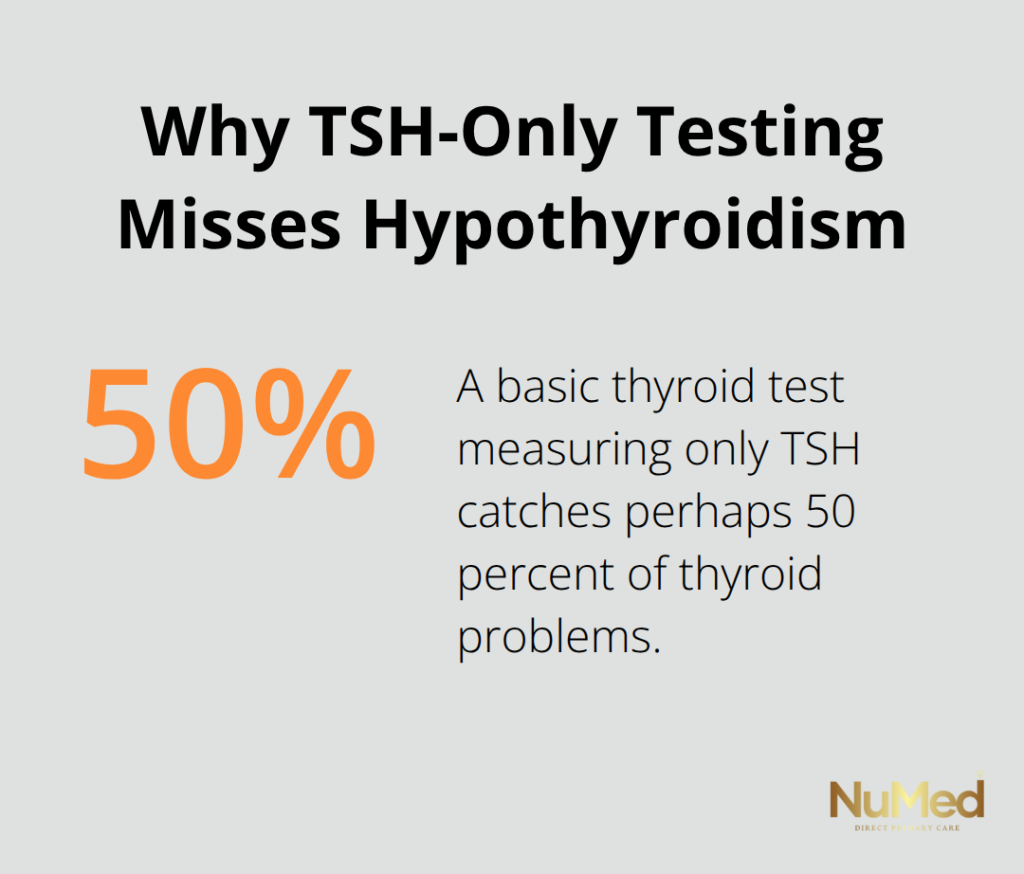
Blood work forms the foundation of hormone diagnosis, but most standard panels miss the complete picture. A basic thyroid test measuring only TSH catches perhaps 50 percent of thyroid problems because TSH can appear normal while Free T3 and Free T4 levels indicate dysfunction. Comprehensive thyroid panels, including TSH, Free T3, Free T4, and thyroid antibodies, catch hypothyroidism in its early stages, while TSH alone frequently misses it. Similarly, testing fasting insulin alongside glucose and A1C reveals insulin resistance years before diabetes develops, yet most primary care visits skip fasting insulin entirely.
A complete metabolic hormone assessment includes cortisol measured at specific times throughout the day since cortisol levels shift dramatically from morning to evening, testosterone and estrogen measured on appropriate cycle days for women, and progesterone evaluated during the luteal phase when levels peak. Single-point measurements miss the rhythm patterns that drive your symptoms, which explains why some patients receive normal results despite clear clinical evidence of hormone imbalance.
Saliva and Urine Testing Capture What Blood Work Misses
Saliva and urine testing supplements blood work by capturing free hormone levels and metabolic byproducts that bloodwork alone cannot measure. Saliva cortisol testing over four collection points throughout the day reveals whether your cortisol rhythm follows the normal pattern of high morning levels declining through the evening, or whether disruption exists. Urine metabolites of estrogen and progesterone identify how your body processes these hormones, information that guides whether supplementation or lifestyle modification will work. These alternative testing methods cost more than standard blood tests but provide functional information that changes treatment recommendations, making them worthwhile when standard labs appear normal, but symptoms persist.
Functional Assessment Goes Beyond Lab Numbers
Healthcare providers trained in functional medicine interpret hormone results within the context of your complete symptom picture rather than treating isolated numbers. Your sleep quality, stress load, exercise patterns, nutritional status, and digestive function all influence hormone production and metabolism, yet most providers order tests without assessing these factors. A functional medicine approach asks specific questions about your menstrual cycle patterns in women, morning energy compared to afternoon crashes, specific times when mood changes occur, and whether weight gain concentrates around your midsection or distributes evenly.
These details matter because they narrow down which hormones likely need attention. Someone with morning fatigue and afternoon crashes needs cortisol rhythm assessment, while someone gaining weight specifically around the abdomen despite normal eating needs insulin resistance testing. Providers should also evaluate whether underlying conditions like poor sleep quality, chronic inflammation, or nutrient deficiencies drive hormone imbalance or whether primary hormone production failure exists. This distinction changes everything about treatment because optimizing sleep and reducing inflammation sometimes corrects hormone levels without medication, while primary gland dysfunction requires direct hormone replacement.
Working With Providers Who Explain Your Results
Your provider should communicate test results by explaining what the numbers mean for your body specifically, discussing whether results suggest lifestyle intervention alone or whether medical therapy is appropriate, and establishing a timeline for retesting after treatment begins to confirm that interventions actually work. Providers who take time to understand your specific symptom pattern, review your complete medical history, including medications and supplements that affect hormones, and explain why they ordered specific tests rather than just ordering a generic hormone panel transform your diagnostic experience. This approach narrows down which hormones likely need attention and guides more targeted testing.
Final Thoughts
Hormone imbalance signs-fatigue, weight shifts, mood changes, and sleep problems-communicate that something needs attention, not character flaws or inevitable aging. Most people wait years before connecting these scattered symptoms to hormonal dysfunction, losing time when intervention could have been simpler and more effective. The real power lies in addressing root causes rather than treating symptoms in isolation, because taking an antidepressant for mood swings without evaluating cortisol and estrogen levels keeps you trapped in partial solutions.
Finding a healthcare provider who takes time to listen, orders comprehensive testing matched to your specific symptoms, and explains results in the context of your complete health picture transforms your diagnostic experience. This approach differs fundamentally from standard care that orders generic panels and interprets numbers without considering your sleep quality, stress load, nutritional status, or medication history. We at NuMed Direct Primary Care focus on preventing illness by addressing root causes through personalized connections between patient and practitioner, offering accessible support without insurance hassles so you can focus on actually feeling better.
Your hormones control too much of your health to ignore these signals, and taking action toward hormonal wellness today prevents the cascade of problems that an untreated imbalance creates over the years: cardiovascular disease, metabolic syndrome, cognitive decline, and diminished quality of life. The path forward starts with recognizing what your body tells you and finding a provider committed to understanding why.