Menopause brings significant hormonal shifts that affect how your body functions. Progesterone levels drop dramatically during this transition, triggering hot flashes, sleep disruption, and mood changes that impact your daily life.
At NuMed DPC, we see patients seeking real solutions for these symptoms. Understanding how progesterone benefits menopause management helps you make informed decisions about your health.
What Happens to Your Progesterone During Menopause
Progesterone doesn’t simply vanish overnight during menopause. The decline happens gradually during perimenopause, which typically lasts four to ten years before your final menstrual period. Your ovaries produce less progesterone with each cycle, and this decline directly triggers the symptoms you experience. Progesterone is a natural hormone that declines during perimenopause and menopause, contributing to sleep disturbances and mood changes. Most women don’t realize this connection until symptoms become severe. Many attribute their sleep problems to stress or their mood shifts to life circumstances, missing the hormonal foundation underneath. Understanding this timeline matters because it helps you recognize when to seek support rather than waiting for symptoms to resolve on their own.
How Low Progesterone Creates Your Symptoms
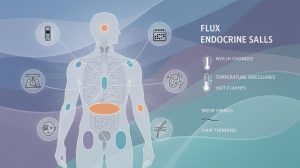
The physical effects of low progesterone are measurable and real. Progesterone regulates your body’s temperature control system, and when levels drop, your body struggles to maintain stable internal temperatures, producing the hot flashes and night sweats that disrupt your life. This same hormone supports sleep quality by promoting deeper stages of rest, so its decline directly causes the insomnia and fragmented sleep patterns that leave you exhausted. Progesterone also influences serotonin and GABA production in your brain, neurotransmitters that stabilize mood. When progesterone drops, these chemicals fluctuate, leading to anxiety, irritability, and depression that feel disconnected from your circumstances. The intensity of these symptoms varies significantly between individuals. Some women experience mild warm sensations and occasional sleep disruption, while others face debilitating hot flashes multiple times per hour and complete sleep deprivation. This variation depends on how rapidly your progesterone declines, your genetics, body composition, stress levels, and overall health status.
Why Progesterone Matters Beyond Hot Flashes
Progesterone serves important functions throughout your body beyond symptom management. It supports bone density maintenance, which becomes especially important as estrogen also declines during menopause. Bone loss accelerates after menopause, with hormonal shifts during menopause exerting a dominant influence on bone health deterioration. Progesterone helps protect against this rapid deterioration. The hormone also affects cardiovascular function and metabolic processes. Women with adequate progesterone levels maintain better metabolic flexibility and experience fewer struggles with weight gain compared to those with significantly depleted levels. Additionally, progesterone influences your immune system and inflammatory responses throughout your body.
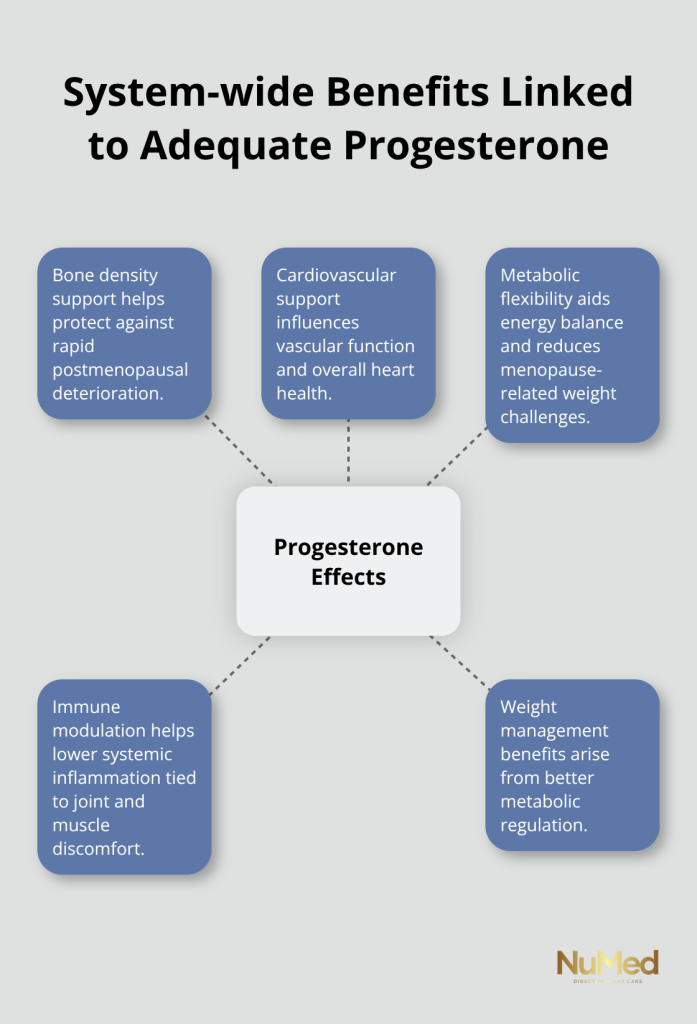
Low progesterone correlates with increased systemic inflammation, which contributes to joint pain, muscle aches, and general malaise that many menopausal women report.
Moving Forward with Progesterone Therapy
The relationship between progesterone and these body functions means that addressing progesterone deficiency through appropriate therapy addresses multiple symptoms simultaneously rather than treating each problem separately. Different progesterone therapy options exist, and your healthcare provider can help you determine which approach aligns with your specific symptoms, medical history, and health goals. The next section explores the specific benefits progesterone therapy delivers for menopause symptoms and how different delivery methods work to restore hormonal balance.
How Progesterone Therapy Transforms Your Menopause Symptoms
Hot Flashes and Night Sweats Fade Quickly
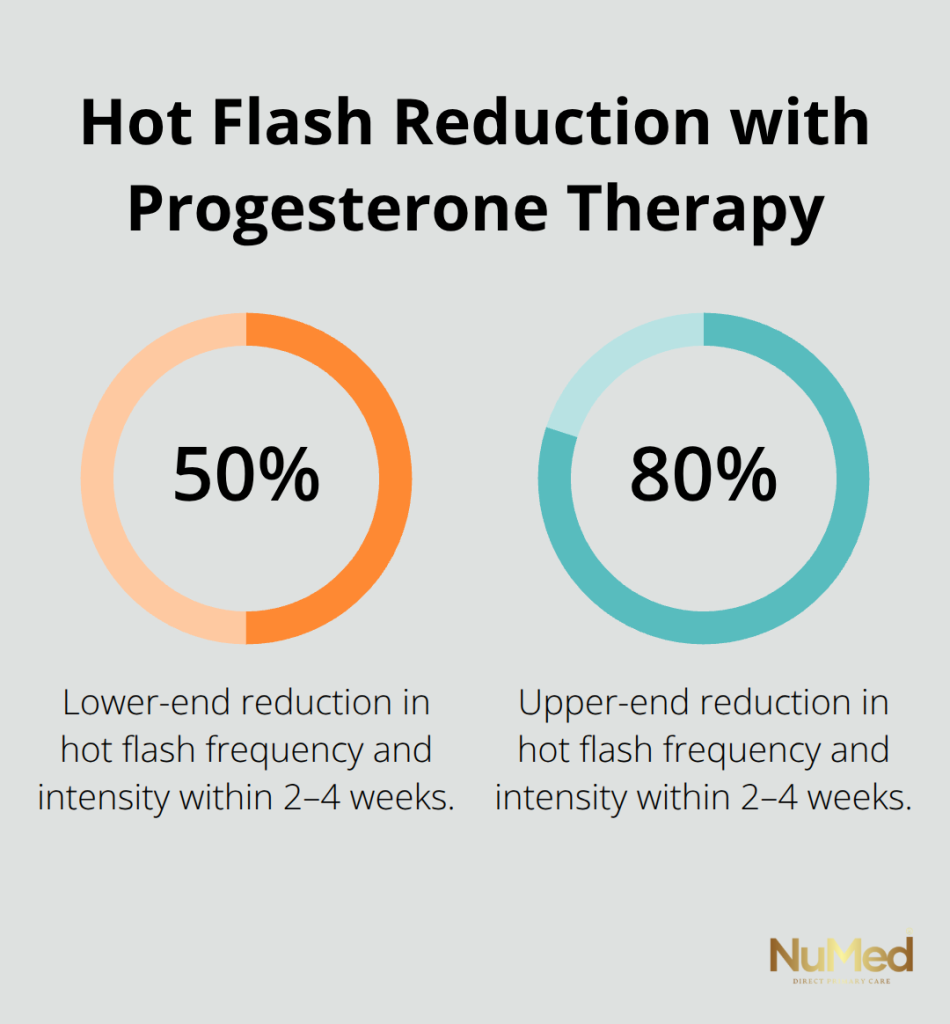
Progesterone therapy works because it addresses the hormonal deficit that causes your symptoms rather than masking individual problems. When you restore progesterone levels through appropriate therapy, hot flashes typically decrease within two to four weeks, with many patients reporting a 50 to 80 percent reduction in frequency and intensity. Night sweats follow a similar timeline, allowing you to sleep through the night instead of waking drenched multiple times.
The mechanism is straightforward: progesterone stabilizes your hypothalamus, the brain region controlling temperature regulation, so your body stops overheating in response to minor temperature fluctuations. This improvement happens consistently across most women who use progesterone therapy, though individual response varies based on dosage, delivery method, and baseline symptom severity.
Sleep Quality Improves Within Weeks
Sleep quality improves alongside hot flash reduction because progesterone enhances deep sleep stages and increases the time your brain spends in restorative sleep phases. Women taking micronized progesterone, the bioidentical form chemically identical to your body’s natural hormone, often report falling asleep faster and experiencing fewer nighttime awakenings within the first month of treatment.
This sleep improvement matters significantly because poor sleep during menopause correlates with worse mood symptoms, higher inflammation markers, and accelerated cognitive decline. Adequate sleep also supports metabolic function and weight management, creating a beneficial cascade where better sleep helps control other menopause-related changes.
Mood Stabilization Takes Longer But Delivers Real Results
Mood stabilization represents the third major benefit, though this improvement takes longer than hot flash relief. Your brain requires consistent progesterone levels to maintain stable serotonin and GABA production, the neurotransmitters regulating anxiety and emotional stability. Most women notice improved mood within four to six weeks as progesterone levels normalize and remain consistent.
Research examining estrogen plus micronized progesterone outcomes shows depressive symptom improvements when progesterone is combined with estrogen therapy. Irritability decreases noticeably, and the emotional reactivity that made minor annoyances feel overwhelming gradually resolves. This matters because mood symptoms during menopause aren’t weakness or stress response but rather direct effects of hormonal fluctuation.
Understanding Your Timeline for Results
The timeline for these improvements means you need realistic expectations: hot flashes respond quickly, sleep improves within weeks, but mood stabilization requires patience as your brain chemistry rebalances over several weeks of consistent progesterone levels. Some women experience such significant mood changes that they attribute them to depression or anxiety disorders, when in reality, progesterone deficiency is the primary driver. Different progesterone therapy options deliver these benefits through different mechanisms, and your healthcare provider can help you select the approach that aligns with your specific symptoms and medical history.
Choosing Your Progesterone Therapy
Progesterone therapy comes in two distinct forms, and the choice between them significantly impacts your results and side effects. Micronized progesterone is bioidentical, meaning it’s chemically identical to the hormone your body naturally produces, while synthetic progestins are lab-created compounds that mimic progesterone’s effects but have different chemical structures.
Micronized Progesterone vs. Synthetic Progestins
Micronized progesterone, marketed under the brand name Prometrium, tends to produce fewer side effects than synthetic progestins. The primary side effect of bioidentical progesterone is drowsiness, which is why you take it at bedtime, making it convenient to manage. Synthetic progestins carry a different side effect profile, including swelling, abdominal bloating, muscle pains, and mood changes.
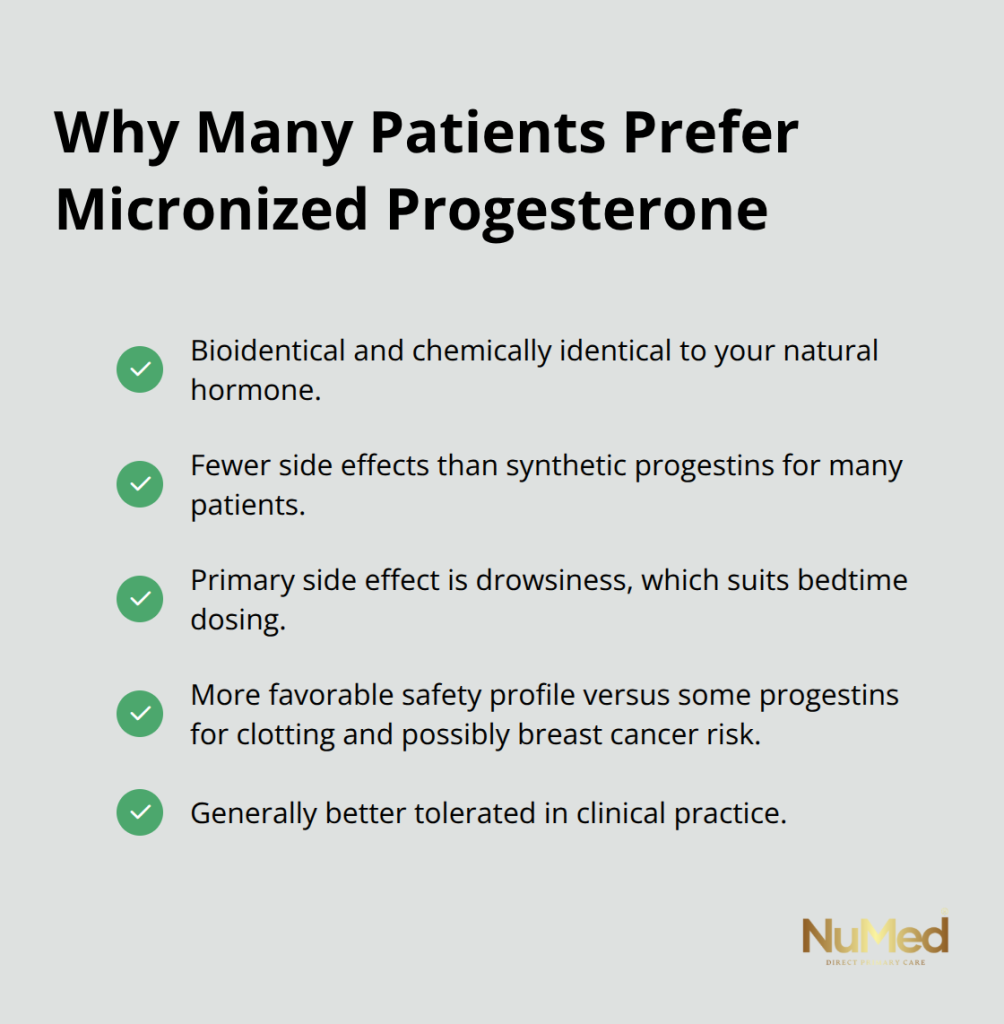
More importantly, some progestins may carry a slightly higher risk of venous thromboembolism and possibly breast cancer in certain populations compared with micronized progesterone, though risk depends on the specific progestin type and duration of use. The evidence supports a more favorable safety profile for micronized progesterone and better tolerance in most patients.
Delivery Methods That Work for Your Lifestyle
The delivery method you choose matters equally. Oral micronized progesterone requires you to take one capsule by mouth once daily in the evening at bedtime for twelve days of a twenty-eight-day cycle, exactly as prescribed. Transdermal patches and gels bypass the liver, offering an alternative if you experience nausea or absorption issues with oral forms.
Your healthcare provider will assess your individual medical history, uterus status, age, and personal preferences to recommend the approach that aligns with your specific situation. Starting with non-pill therapies like transdermal patches minimizes systemic exposure while still delivering symptom relief.
When Progesterone Isn’t the Right Choice
Some women cannot safely use progesterone therapy due to contraindications, including estrogen-dependent cancers, liver disease, active blood clots, high stroke risk, or heavy smoking. In these cases, your clinician will discuss alternative treatments like Fezolinetant, antidepressants such as Venlafaxine or Citalopram, Gabapentin, or Clonidine combined with lifestyle modifications.
Monitoring Your Treatment Over Time
Annual check-ins with your healthcare provider ensure your chosen treatment remains appropriate as your needs change over time. Your provider will monitor how well your current therapy addresses your symptoms and adjust your approach if necessary.
Final Thoughts
Progesterone benefits menopause by restoring the hormonal foundation that drives your symptoms rather than treating each problem in isolation. Restoring progesterone levels through appropriate therapy reduces hot flashes within weeks, improves sleep quality, and stabilizes mood as your brain chemistry rebalances. This evidence-based approach empowers you to make healthcare decisions based on how your body actually works.
Your healthcare provider will assess your medical history, current symptoms, uterus status, and personal preferences to determine whether micronized progesterone, synthetic progestins, or alternative treatments best serve your health. Some women thrive on oral progesterone taken at bedtime, while others prefer transdermal patches that bypass the liver. Your provider adjusts your approach as your needs change over time through annual check-ins that monitor how well your current therapy addresses your symptoms.
If you’re ready to take control of your menopause symptoms with evidence-based progesterone therapy or explore other options tailored to your health, connect with NuMed DPC to begin your personalized healthcare experience. Our direct primary care model provides the time and attention needed to find the right treatment for your unique situation. Your path forward starts with a provider who understands how progesterone affects your body and your life.