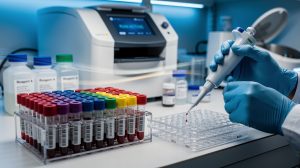
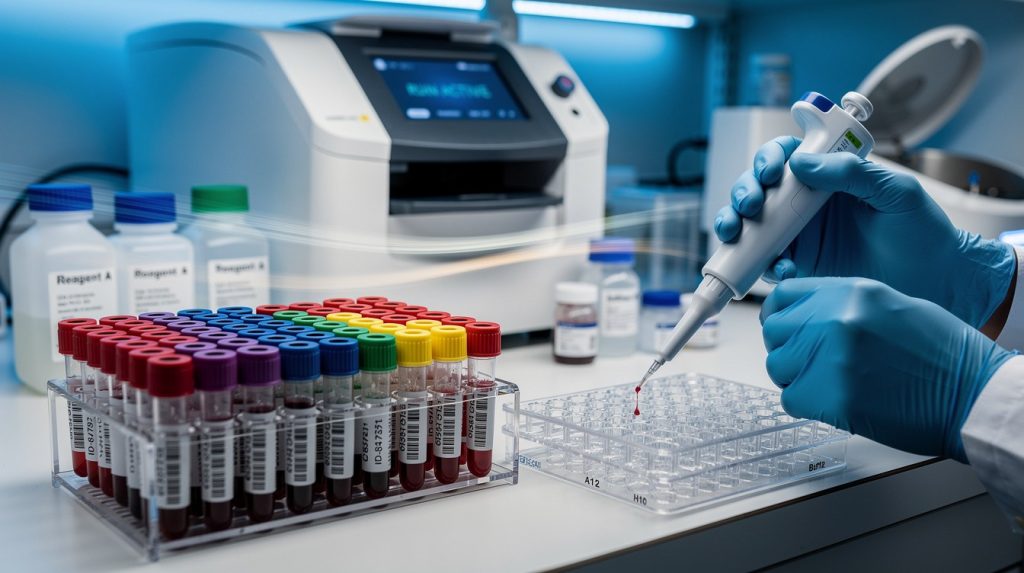
Hormone imbalances affect millions of people, yet many go undiagnosed because standard lab work simply doesn’t catch them. Fatigue, mood swings, weight gain, and sleep problems often point to hormonal issues that require specialized testing.
At NuMed DPC, we’ve seen firsthand how the right hormone testing panel options can transform a patient’s health journey. This guide walks you through the different tests available, how to interpret results, and how to work with your provider to address what you find.
Why Hormone Testing Matters
Fatigue that coffee can’t fix. Mood swings that derail your day. Weight gain despite diet and exercise. These aren’t character flaws or signs of aging-they’re often signals that your hormones are out of balance.
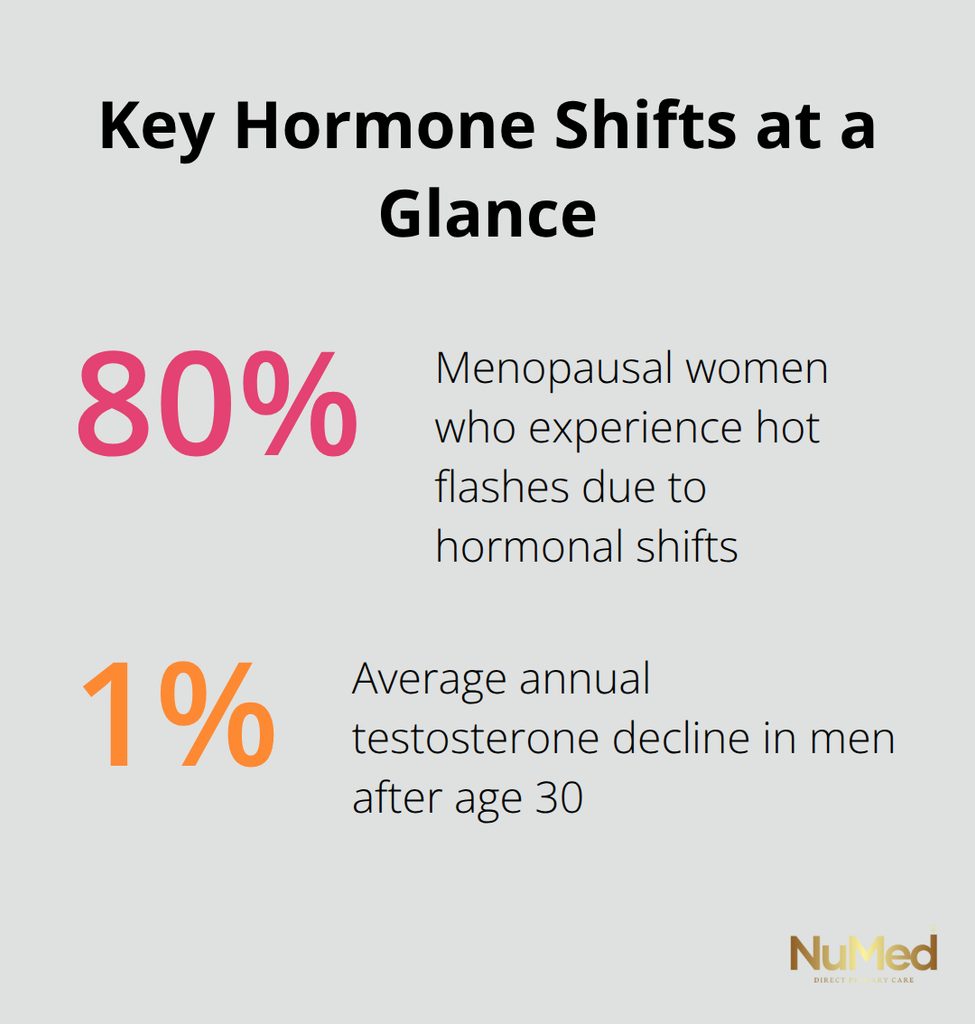
Roughly 80% of menopausal women experience hot flashes due to hormonal shifts, and men lose approximately 1% of testosterone annually after age 30, according to research from the Endocrine Society. Yet most people never get tested. Standard lab work ordered by traditional primary care typically includes only TSH for thyroid screening, missing the complete hormone picture that drives how you feel.
The Symptoms You Shouldn’t Ignore
Low energy without an obvious cause often points to thyroid dysfunction or low testosterone in men and women alike. Irregular periods, mood changes, and brain fog frequently indicate estrogen or progesterone imbalances, especially during perimenopause and menopause. Weight gain concentrated around the midsection, combined with fatigue, can signal cortisol dysregulation or thyroid problems. Sleep disruption, night sweats, and anxiety often correlate with hormonal fluctuations rather than stress alone.
The Endocrine Society identifies aging, obesity, sleep disorders, and type 2 diabetes as factors linked to lower testosterone, yet most primary care doctors never measure these levels unless you specifically request testing. Decreased libido, muscle loss, and mood changes are equally telling signs that warrant investigation through proper hormone panels.
Why Standard Labs Fall Short
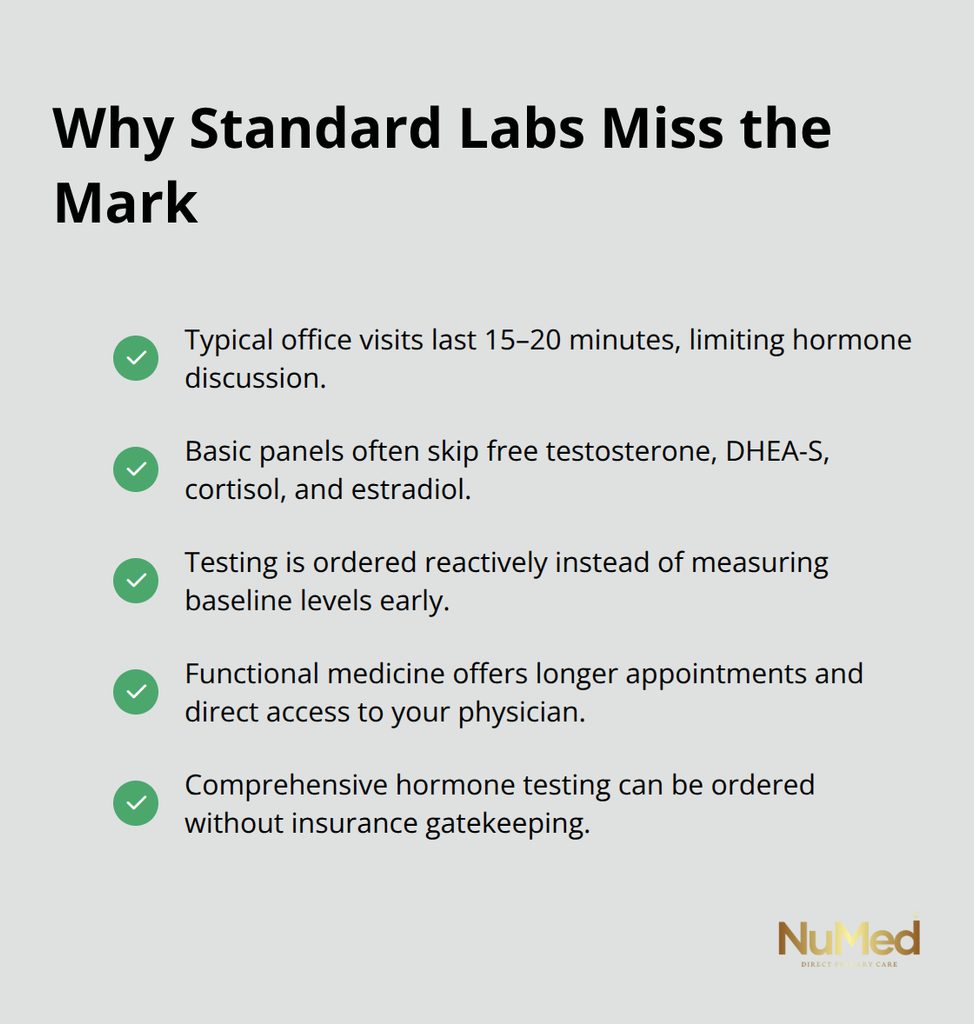
Insurance-based primary care operates under time constraints and billing pressures that discourage comprehensive testing. A typical office visit lasts 15–20 minutes, leaving no room for detailed hormone discussions. Standard metabolic panels and basic thyroid screening miss critical hormones like free testosterone, DHEA-S, cortisol, and estradiol that directly influence how your body functions.
Many practitioners order tests reactively-only after you’ve complained repeatedly-rather than proactively measuring baseline hormone levels to catch imbalances early. This reactive approach costs more over time through emergency visits, specialist referrals, and prolonged suffering. Functional medicine changes this dynamic by providing longer appointments, direct access to your physician, and the flexibility to order comprehensive hormone testing without insurance gatekeeping.
Moving Forward with Comprehensive Testing
Extended visit times and a focus on prevention allow practitioners to thoroughly evaluate hormone health and recommend targeted testing panels that match your specific symptoms and health goals. The next section explores the specific hormone testing panels available to you and how each one addresses different aspects of your endocrine health.
Which Hormone Panel Do You Actually Need
Selecting the Right Panel for Your Symptoms
Your symptoms and health goals determine which hormone testing panel makes sense for you, not price or popularity. A woman with irregular periods and mood swings needs different testing than a man noticing energy loss and decreased libido. The custom female hormone panel measures eight essential hormones including estradiol, FSH, DHEA-S, and thyroid markers, designed specifically for women with fatigue, irregular periods, or those navigating menopause. Testing on day three of your cycle produces the most accurate results; if your cycle is irregular or absent, any day works. The custom male hormone panel measures nine hormones including total testosterone, free testosterone, estradiol, and thyroid function, helping identify whether low energy, mood changes, or muscle loss stem from hormonal decline.
Cost Advantages of Direct-Access Testing
Both panels cost significantly less through direct-access testing than traditional insurance routes, with the female panel around $49 and the male panel around $101 at promotional rates, compared to hundreds of dollars through hospital billing. This price transparency eliminates surprise bills and allows you to budget predictably for your health. Direct-access labs process your samples at CLIA-certified facilities, ensuring results meet the same quality standards as insurance-based testing but without the markup.
Timing and Preparation for Accurate Results
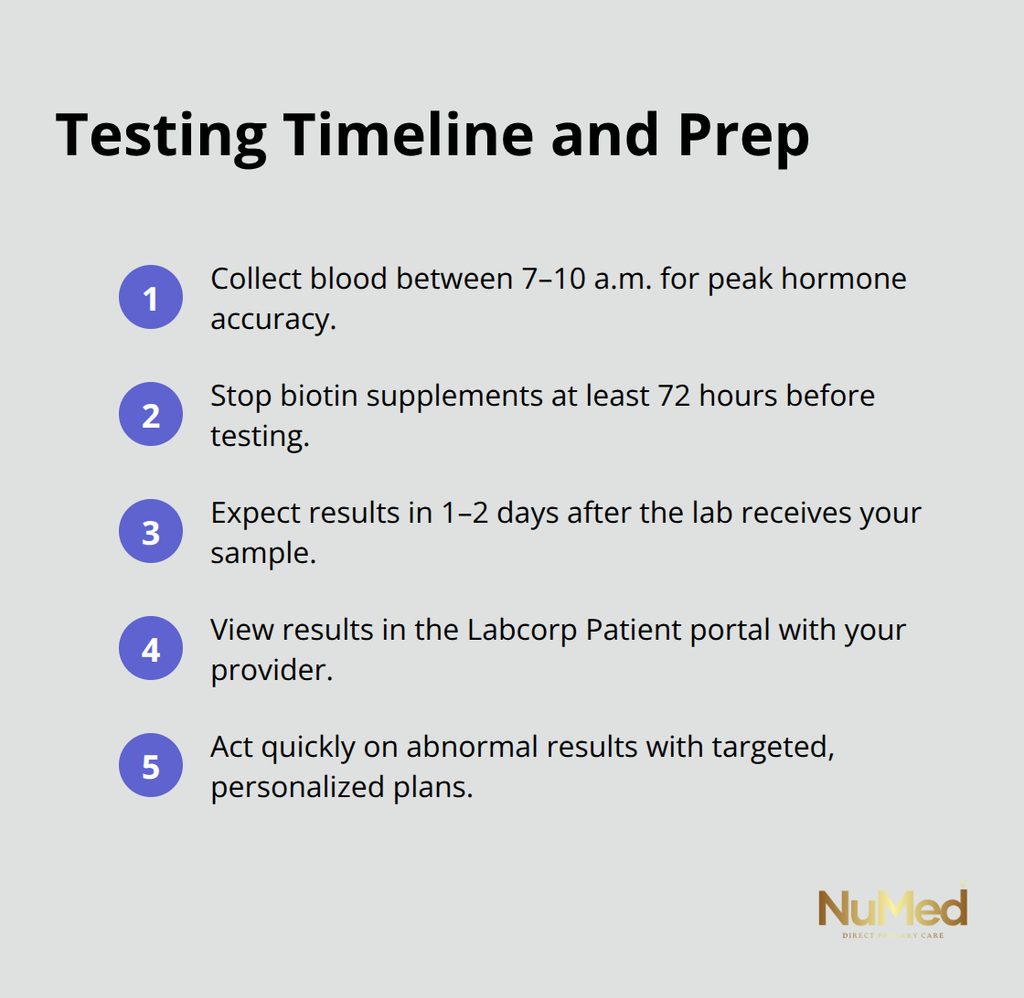
Timing matters for accuracy: collect blood samples between 7 a.m. and 10 a.m. when testosterone, DHEA-S, and prolactin peak. If you take biotin supplements for hair or nails, stop for at least 72 hours before testing to prevent interference with results. This simple preparation step ensures your results reflect your actual hormone levels rather than test artifacts.
Beyond Sex Hormones: Thyroid and Stress Testing
Thyroid testing deserves separate attention because standard TSH screening misses important details about how your thyroid actually functions. A complete thyroid assessment includes TSH, free T4, and free T3, revealing whether your thyroid produces adequate hormone and whether your body converts it properly. Cortisol testing provides insight into your stress response and whether constant fatigue stems from adrenal dysregulation. Many people benefit from bundled panels that combine hormone testing with cardiovascular markers and basic metabolic screening, offering comprehensive data without ordering tests piecemeal.
Acting on Your Results Quickly
Results arrive within one to two days after your sample reaches the lab, delivered through the Labcorp Patient portal where your healthcare provider can review findings alongside you. This speed matters because it allows you to act quickly on abnormal results rather than waiting weeks for insurance-based testing. Your provider interprets what imbalances mean for your specific situation and creates personalized treatment plans that might include lifestyle modifications, targeted supplementation, or when appropriate, hormone optimization strategies tailored to your individual needs.
Understanding your hormone levels opens the door to targeted interventions-and the next section explores how to work with your provider to translate test results into meaningful health changes.
What Your Numbers Actually Mean
Your hormone test results arrive with a reference range printed next to each value, yet most people don’t understand what those ranges represent or why their result matters. A reference range reflects the normal distribution of values in a healthy population, but healthy for a 25-year-old differs dramatically from healthy for a 55-year-old. Your total testosterone might read 450 ng/dL with a reference range of 300–1000 ng/dL, technically normal, yet you’re exhausted and losing muscle. This is where the gap between standard lab interpretation and functional medicine widens.
How Functional Medicine Reads Your Results Differently
Functional medicine practitioners examine your individual baseline, your symptoms, and the relationship between multiple hormones rather than treating each value in isolation. If your free testosterone sits at the bottom of normal while your DHEA-S is low and your cortisol elevated, the story changes completely-your body is likely prioritizing stress response over reproductive hormone production. This pattern demands a different intervention than isolated low testosterone. The American Thyroid Association emphasizes that TSH alone misses hypothyroidism in certain cases, which is why your complete thyroid panel including free T4 and free T3 matters more than the single number your traditional doctor ordered.
Timing Reveals Patterns Standard Tests Miss
Cortisol demonstrates why single-point testing fails. A morning cortisol level of 15 mcg/dL appears normal on its own, yet if your midnight cortisol remains elevated instead of dropping as it should, you’re experiencing dysregulation that destroys sleep and accelerates aging. This diurnal pattern only emerges when you test at multiple timepoints, something functional medicine practitioners routinely do but insurance-based care rarely funds. Estradiol testing during perimenopause requires knowledge of where you are in your cycle because the same value of 120 pg/mL means something entirely different on day 3 versus day 21.
Symptoms Drive Treatment Decisions, Not Numbers Alone
The key is matching test results to your actual symptoms rather than treating numbers in isolation. If you experience persistent hot flashes, night sweats, and mood instability while your estradiol tests low-normal, waiting until it drops further makes no clinical sense. Functional medicine providers adjust treatment based on symptom burden and quality of life, not arbitrary numbers. This means discussing how your current hormone levels affect your energy at 3 p.m., your sleep quality, your motivation, and your emotional resilience. Standard primary care offers 15-minute visits where such conversations don’t fit; functional medicine practices build time for this discussion into every appointment.
Root Cause Comes Before Treatment
Your hormone results should trigger a conversation about root cause, not a prescription pad. If your testosterone is declining and your cortisol elevated, the intervention might involve sleep optimization, stress management, and specific strength training before considering hormone therapy. If your thyroid function shows poor conversion of T4 to T3, supplementing selenium and managing inflammation through diet addresses the mechanism rather than just replacing thyroid hormone. Your practitioner should explain which results concern them most, why those particular imbalances produce your specific symptoms, and what lifestyle changes come first. Only after optimizing the controllable factors should pharmaceutical or supplemental interventions enter the conversation. This staged approach costs less, produces better compliance, and often resolves symptoms entirely.
Ongoing Monitoring Adjusts Your Strategy
When hormone therapy does become appropriate-whether estrogen patches for menopause or testosterone optimization for men-your provider should track your progress on specific metrics and adjust your approach when numbers drift. One-time prescriptions without follow-up represent the old model; functional medicine demands ongoing partnership where you report how you feel and your provider adjusts strategy accordingly.
Final Thoughts
Hormone testing panel options range from affordable direct-access labs to comprehensive functional medicine evaluations, and your choice depends on matching the right test to your specific symptoms rather than following generic recommendations. A woman with irregular periods needs different testing than a man experiencing energy decline, and both require different approaches than someone managing thyroid dysfunction. Female and male hormone panels cost around $49–$101 at promotional rates through direct-access labs, compared to hundreds through hospital billing, with results arriving within one to two days so you can act on what you find.
The testing process itself demands minimal effort: identify which panel matches your symptoms, order online with transparent pricing, collect your blood sample at a Labcorp location between 7–10 a.m. for accuracy, and review results in your secure portal within days. Stop biotin supplements 72 hours before testing to prevent interference with your results. Once your results arrive, interpreting what your numbers mean in the context of your individual symptoms and life matters far more than treating isolated values as simply good or bad.
Hormone imbalances require practitioners who listen, test comprehensively, and partner with you over time rather than offering one-time reactive care. NuMed DPC supports your hormone health through extended appointments that allow thorough discussion of how your hormone levels affect your energy, sleep, mood, and metabolism, comprehensive hormone testing without insurance gatekeeping, and personalized treatment plans that address root cause rather than numbers alone. Visit our website to learn how we help you optimize your hormone health and overall wellness.