
Menopause brings significant physical changes that can disrupt your exercise routine and daily energy levels. The hormonal shifts during this transition affect everything from bone density to metabolism, making it harder to stay active.
At NuMed DPC, we believe natural remedies for menopause work best when combined with targeted lifestyle strategies. This guide covers evidence-based dietary approaches, movement practices, and recovery methods to help you maintain your fitness and vitality through this life stage.
What Happens to Your Body During Menopause
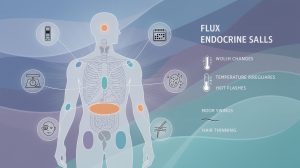
Menopause triggers a sharp drop in estrogen and progesterone, hormones that regulate far more than reproduction. Within months, this hormonal shift affects your cardiovascular system, bone density, muscle mass, and metabolic rate. Up to 40–50 million U.S. women experience vasomotor symptoms like hot flashes and night sweats, but the physical impact extends deeper. Your bones lose density faster after menopause starts, increasing fracture risk, while your metabolism slows by roughly 2–8% per decade, making weight management harder even with identical diet and exercise. Energy crashes become common because progesterone, which supports sleep quality, plummets. Muscle protein synthesis declines without adequate estrogen, meaning your body recovers more slowly from workouts. Hot flashes and night sweats disrupt sleep architecture, fragmenting the deep sleep stages your body needs for muscle repair and hormonal regulation. More than 85% of postmenopausal women report at least one bothersome symptom, so what you’re experiencing is widespread and physiologically real, not psychological.
Exercise Performance Takes a Real Hit
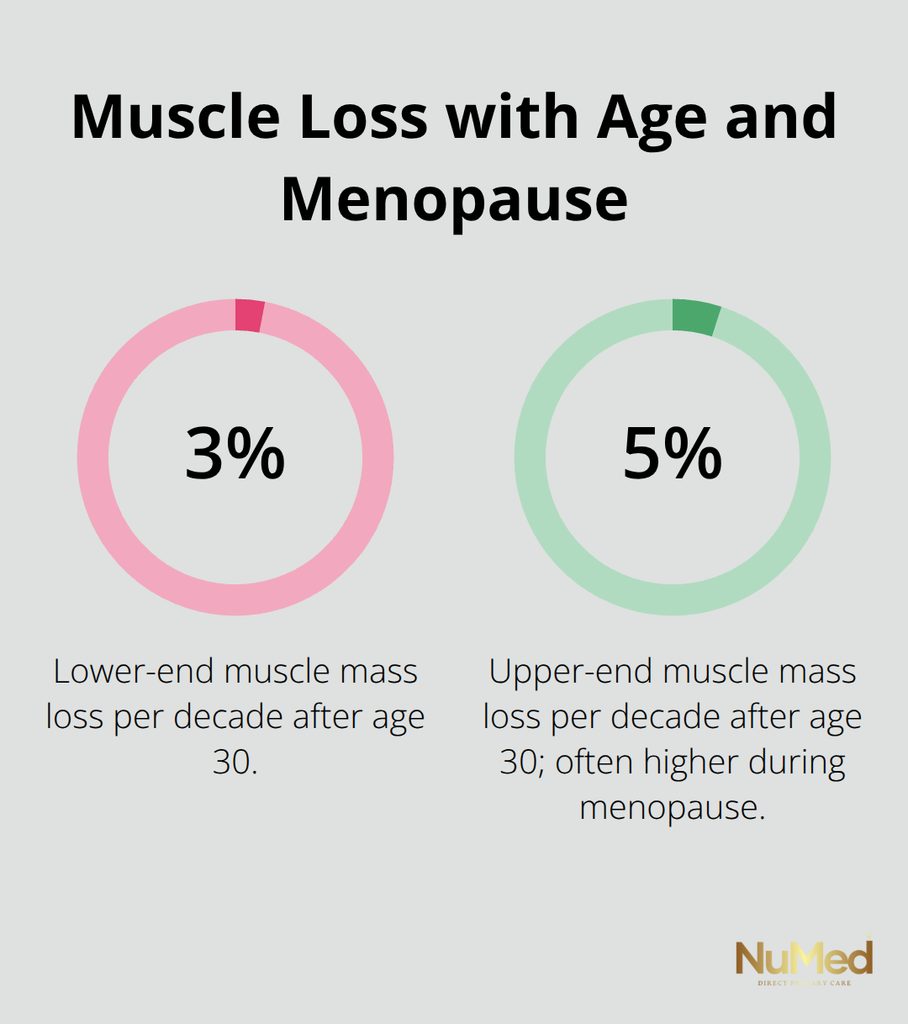
Your aerobic capacity and strength output will likely decline during menopause unless you actively compensate. Studies show women lose 3–5% of muscle mass per decade after age 30, but this accelerates during menopause due to lower estrogen. Your cardiovascular system becomes less efficient at oxygen delivery because estrogen supports blood vessel function and nitric oxide production.
Heat tolerance during exercise drops significantly because hot flashes and thermoregulation dysfunction make intense workouts feel intolerable. Night sweats rob you of restorative sleep, directly impairing your ability to perform the next day. This isn’t a reason to quit exercising-it’s a reason to adjust your approach strategically.
Strategic Exercise Adjustments Preserve Your Fitness
Strength training preserves muscle mass, maintains metabolic rate, and protects bone density during this phase. Aerobic activity at 150 minutes per week remains the gold standard, but the intensity and timing matter more during menopause. Morning workouts often work better because core body temperature is lower and you avoid afternoon heat spikes that trigger hot flashes. This timing shift alone can make the difference between workouts that feel manageable and those that feel impossible.
Lifestyle Modifications Address Symptoms Directly
Lifestyle changes address menopause symptoms more effectively than most people realize. Sleep quality matters intensely: a cool bedroom at approximately 18°C (65°F) with breathable cotton bedding reduces night sweats and hot flash frequency. Consistent sleep timing trains your circadian rhythm, which stabilizes body temperature regulation. Caffeine and alcohol directly trigger hot flashes in many women, so timing matters-avoid caffeine after 2 PM and limit alcohol to occasional use.
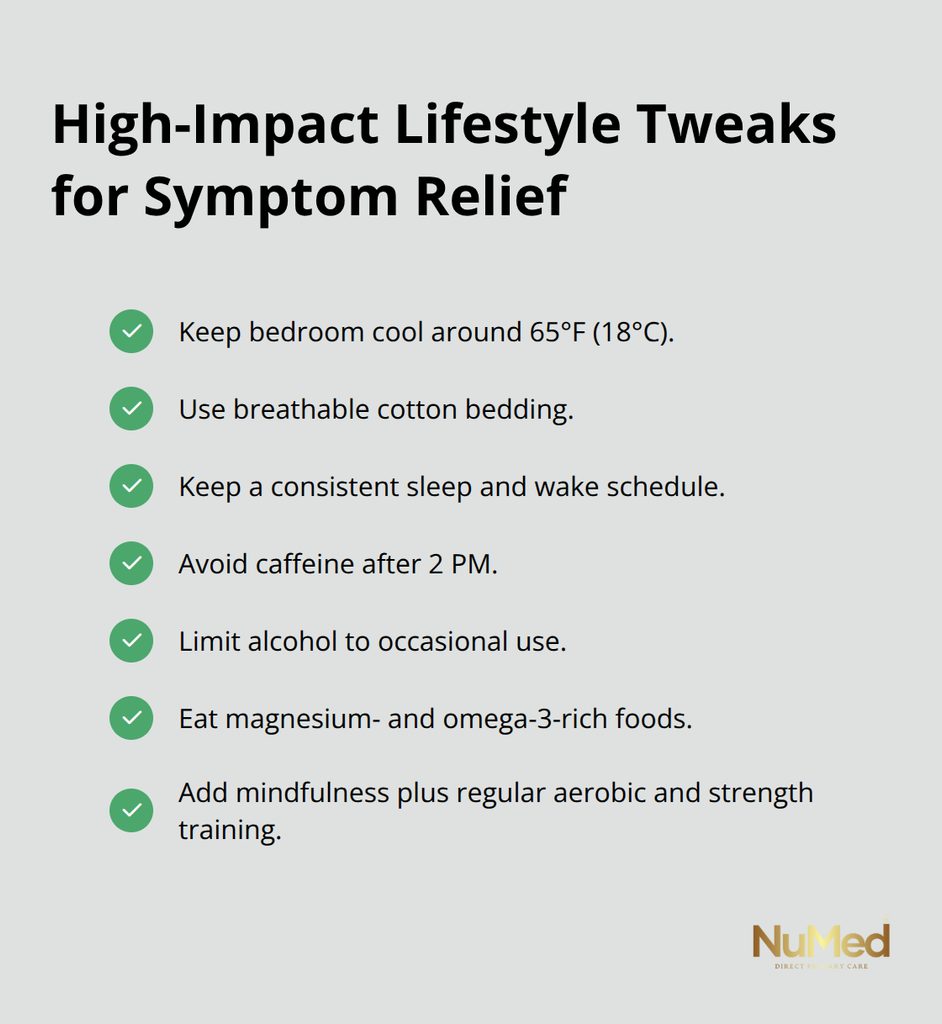
Magnesium-rich foods and omega-3s from fatty fish support hormonal balance and reduce inflammation driving symptom severity. Mindfulness practices and regular aerobic plus strength training show high clinical evidence for symptom reduction. Your daily choices around temperature control, sleep hygiene, nutrition timing, and movement patterns become more impactful than supplements or medications alone during this transition. These foundational strategies set the stage for targeted dietary approaches that amplify your results.
Food Choices That Actually Work for Menopause Symptoms
Phytoestrogens: Food Sources Beat Supplements
Phytoestrogens from food sources deliver measurable symptom relief without the complexity of supplements. Soy products contain genistein and daidzein, compounds that reduce hot flash frequency by 20–45% according to clinical data from multiple randomized trials. One serving of tofu, tempeh, or edamame three to four times weekly provides enough phytoestrogen concentration to matter. Flaxseed lignans work differently-they convert to enterolactone in your gut microbiome, supporting estrogen metabolism rather than replacing it. Two tablespoons of ground flaxseed daily mixed into oatmeal or yogurt costs pennies and requires no prescription.
Chickpeas, lentils, and other legumes deliver both phytoestrogens and fiber, which stabilizes blood sugar swings that trigger hot flashes and mood disruption. Harvard research cautions that many menopause supplements lack FDA evaluation and may interact with medications, so food sources offer safety advantages that isolated extracts cannot match.
When Herbal Supplements Make Sense
Herbal supplements with actual clinical evidence warrant consideration only when food-first strategies plateau. Black cohosh shows mixed evidence in clinical trials-some studies demonstrate modest hot flash reduction while others show minimal effect, making it unreliable for individual prediction. Red clover and evening primrose oil have low-to-moderate evidence at best, meaning many women experience no benefit despite the cost and time investment. Ginseng and ashwagandha lack sufficient clinical data to recommend with confidence.
Fezolinetant, FDA-approved as a hormone-free option, targets the brain’s temperature-regulation pathway to relieve hot flashes and represents the gold standard for non-hormonal pharmaceutical intervention when natural approaches prove insufficient. Your money and attention work better on proven food modifications before considering supplements.
Omega-3s, Minerals, and Metabolic Support
Omega-3 fatty acids from cold-water fish like salmon, mackerel, and sardines reduce inflammation that amplifies menopausal symptoms, with two servings weekly providing roughly 500–1,000 mg of EPA and DHA combined. Calcium intake of 1,200 mg daily protects bone density during the accelerated loss that occurs after menopause begins. Leafy greens, berries, nuts, seeds, and whole grains deliver multiple micronutrients simultaneously rather than relying on isolated supplements.
The 3-Day Menopause Reset nutrition program demonstrates that stabilizing blood sugar through three balanced meals daily curbs cravings and often produces modest weight loss, addressing both metabolic slowdown and the energy crashes that disrupt exercise consistency. Magnesium from pumpkin seeds, almonds, spinach, and dark chocolate supports sleep quality and reduces muscle tension-deficiency directly worsens hot flash severity and sleep fragmentation.
Timing and Triggers Matter More Than You Think
Limiting caffeine after 2 PM and restricting alcohol to occasional use prevents the direct triggering of vasomotor symptoms that undermines all other efforts. These specific dietary adjustments create the metabolic foundation that makes exercise sustainable and symptom management predictable rather than erratic. With your nutrition stabilized, your body responds far more effectively to the targeted movement strategies that preserve strength and bone health during this transition.
Movement That Works During Menopause
Aerobic exercise at 150 minutes weekly remains non-negotiable during menopause, but the timing and intensity shift matters far more than most fitness advice acknowledges. Morning workouts perform better because your core body temperature sits lower, reducing the likelihood that exercise itself triggers hot flashes that make intensity unbearable. A 30-minute walk at 6 AM accomplishes more than a 45-minute afternoon session that leaves you overheated and discouraged. Cycling, swimming, and elliptical training all preserve cardiovascular capacity without the joint impact of running, which becomes harder as estrogen loss affects ligament stability. Try moderate intensity-roughly 60–70% of your maximum heart rate-where you can hold a conversation but feel slightly breathless.
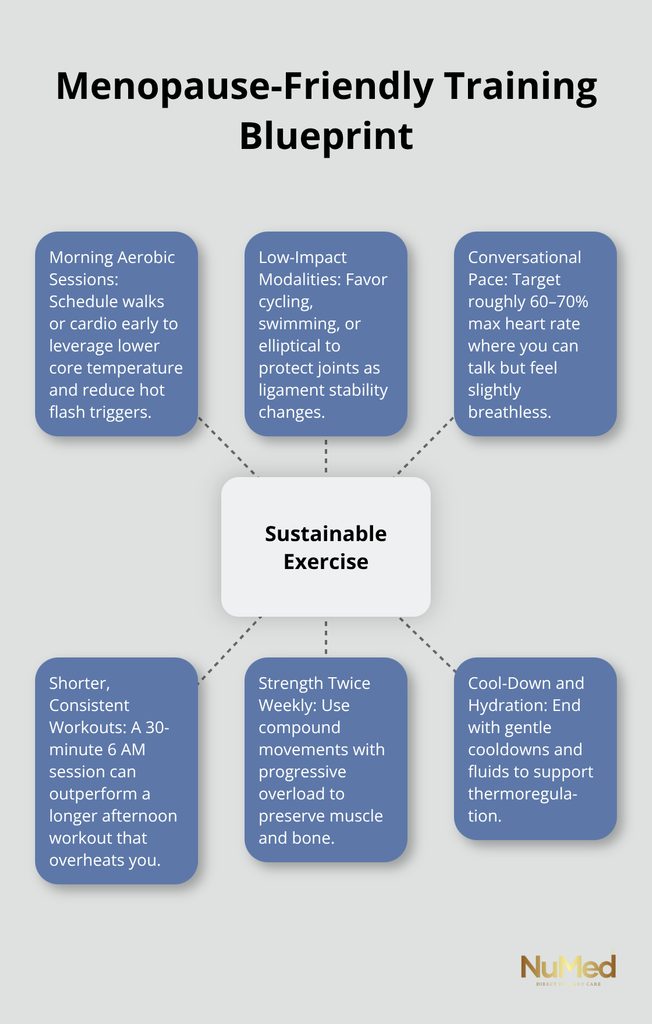
This intensity preserves aerobic gains without creating thermoregulation chaos that derails consistency.
Strength Training Stops Metabolic Collapse
Strength training twice weekly directly counteracts the muscle loss and metabolic slowdown that menopause accelerates. Your muscles are metabolically expensive tissue, burning roughly 6 calories per pound daily at rest, so preserving muscle mass directly slows weight gain that plagues most menopausal women. Focus on compound movements-squats, deadlifts, chest presses, rows-that engage multiple muscle groups simultaneously rather than isolation exercises. These compound movements also provide the bone-loading stimulus that protects against the accelerated bone density loss occurring after menopause begins. Resistance bands, dumbbells, or bodyweight work equally well; the mechanism is progressive overload, meaning you gradually increase resistance over weeks, not maximal weight lifted. Three sets of 8–12 repetitions per exercise creates sufficient mechanical tension for muscle protein synthesis without requiring hours in a gym. Women often underestimate strength capacity, so start heavier than feels comfortable and adjust downward only if form breaks down. Your strength at 55 can equal your strength at 35 if you train consistently through menopause rather than accepting decline as inevitable.
Sleep and Recovery Demand Intentional Strategy
Recovery between workouts matters more during menopause because estrogen loss impairs muscle protein synthesis and sleep quality simultaneously. Schedule at least one full rest day weekly where you perform zero structured exercise, allowing your nervous system and muscles genuine recovery rather than chronic low-level activation. If you train on Monday, Wednesday, and Friday, your Tuesday, Thursday, and weekend days provide adequate spacing for adaptation. Sleep quality directly determines whether your strength training produces muscle growth or merely creates fatigue, so the cool bedroom at 18°C and consistent bedtime you established earlier now pay measurable dividends in workout recovery. Magnesium supplementation at 300–400 mg in the evening supports both sleep depth and muscle relaxation, addressing the tension that menopause creates. Avoid high-intensity interval training more than once weekly because the sympathetic nervous system activation and cortisol response interfere with the sleep and recovery your body desperately needs during this phase. Consistency beats intensity; a woman who strength trains twice weekly for five years outpaces someone who trains intensely for three months then quits from burnout or injury.
Final Thoughts
Natural remedies for menopause work because they address the physiological reality of hormonal change rather than masking symptoms temporarily. Food-first strategies with phytoestrogens, omega-3s, and mineral support create metabolic stability that makes exercise sustainable, while morning aerobic activity combined with twice-weekly strength training preserves muscle mass and bone density. Strategic sleep optimization and temperature control reduce vasomotor symptoms directly, and these approaches compound over weeks and months to produce results that isolated supplements or medications alone cannot match.
Your menopause experience is individual, which is why a personalized approach matters far more than following generic advice. Some women thrive on food modifications and exercise alone, while others benefit from targeted herbal support or pharmaceutical options like fezolinetant when natural approaches plateau. Many discover that their symptoms improve dramatically once they address sleep quality and caffeine timing-changes that cost nothing but require intentional adjustment.
We at NuMed DPC recognize that menopause demands more than a single treatment approach. Our direct primary care model focuses on understanding your specific symptom pattern, your exercise goals, and your health history to build a plan that actually fits your life. Schedule a consultation with us to develop a personalized plan that combines natural remedies for menopause with professional guidance tailored to your unique needs and goals.