Menopause brings significant hormonal shifts that affect how you feel and function every day. Many women experience symptoms that impact sleep, mood, and overall well-being during this transition.
At NuMed DPC, we believe you deserve clear, evidence-based information to make decisions about menopause hormone therapy that align with your health goals. This guide walks you through treatment options, lifestyle strategies, and the questions that matter most for your care.
What Happens to Your Body During Menopause
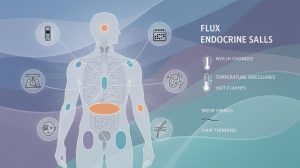
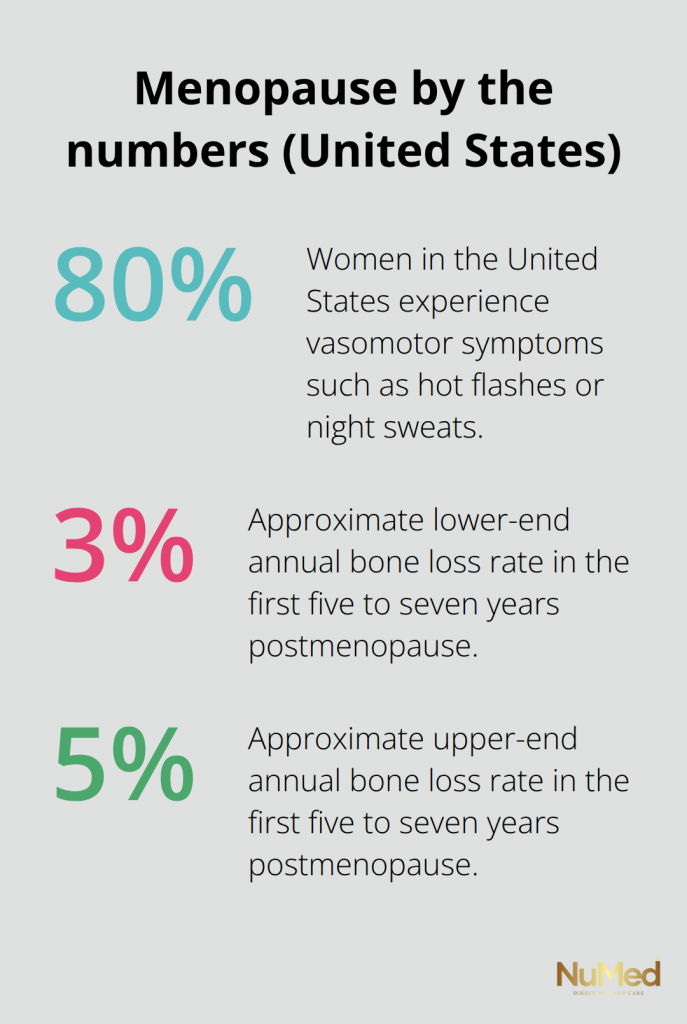
Menopause is not a sudden event but a gradual biological process where your ovaries produce less estrogen and progesterone over months or years. This decline triggers a cascade of changes throughout your body, affecting your brain’s temperature regulation center (the hypothalamus), your bones, your cardiovascular system, and your mood regulation pathways. The transition typically spans 8 to 10 years, though individual timelines vary significantly. Up to 80 percent of women in the United States experience vasomotor symptoms like hot flashes and night sweats, with an average of 4 to 5 hot flashes occurring daily, according to a recent JAMA analysis. These symptoms are not minor inconveniences-they disrupt sleep, impair work performance, and strain relationships.
Night sweats alone can wake you multiple times nightly, leaving you exhausted and affecting your ability to function the next day. Beyond hot flashes, many women report mood swings, brain fog, joint pain, and changes in libido that can persist for years if left unaddressed.
The Real Impact on Daily Life
The burden of untreated menopausal symptoms extends far beyond physical discomfort. Women report difficulty concentrating at work, reduced productivity, social withdrawal due to embarrassment about hot flashes, and a significant decline in sexual satisfaction. Sleep disruption from night sweats directly contributes to increased cardiovascular risk, metabolic changes, and worsening mood disorders. Your bones also face accelerated loss during menopause-estrogen helps maintain bone density, and its decline increases fracture risk substantially. The cardiovascular system becomes more vulnerable too, as estrogen has protective effects on blood vessel function and cholesterol metabolism.
Why Timing Matters for Treatment
These interconnected changes mean that menopause affects far more than just temperature regulation or mood. A 2025 JAMA Internal Medicine analysis found that hormone therapy provided significant symptom relief without increasing cardiovascular risk in postmenopausal women. This distinction matters enormously because many women have avoided treatment due to outdated concerns about cardiovascular risk that no longer apply to younger postmenopausal women. The timing of when you start treatment influences outcomes substantially. Initiating hormone therapy near menopause yields better symptom control with more favorable safety profiles than starting in your 60s or 70s. Understanding these age-specific differences helps you and your healthcare provider make decisions that match your individual circumstances and health priorities.
What Hormone Therapy Actually Delivers
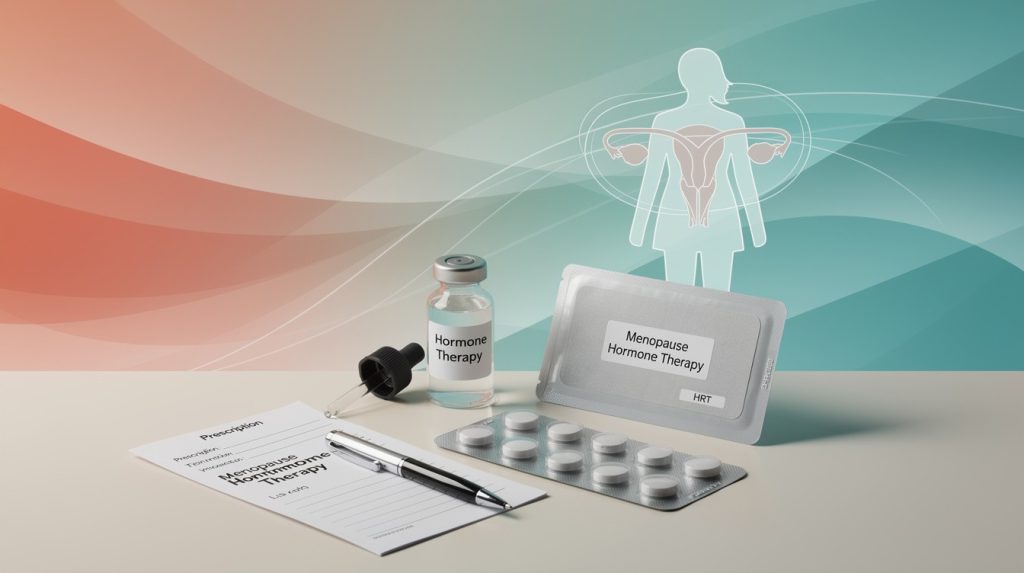
Hormone therapy comes in several forms, and the delivery method you choose significantly affects how your body absorbs and responds to treatment. Oral pills remain the most common option, but transdermal patches, gels, sprays, and pellet implants each offer distinct advantages. A 2025 JAMA Internal Medicine analysis of Women’s Health Initiative data found that postmenopausal women aged 50 to 59 with moderate to severe vasomotor symptoms experienced substantial relief from hormone therapy without increased cardiovascular risk. This finding reversed decades of overcautious guidance that discouraged treatment in younger postmenopausal women.
Age Changes the Risk-Benefit Equation
The same analysis revealed that age fundamentally changes the risk-benefit calculation: women in their 70s showed increased cardiovascular risk with hormone therapy, meaning the decision to treat shifts dramatically based on your age and symptom burden. Transdermal delivery methods like patches and gels bypass first-pass liver metabolism, reducing clotting risk compared with oral estrogens, making them a safer choice for many women. Bioidentical hormone pellets inserted under the skin release hormones steadily over three to four months, eliminating the daily pill burden and the hormone peaks and valleys that some women find problematic.
How Quickly You’ll Notice Results
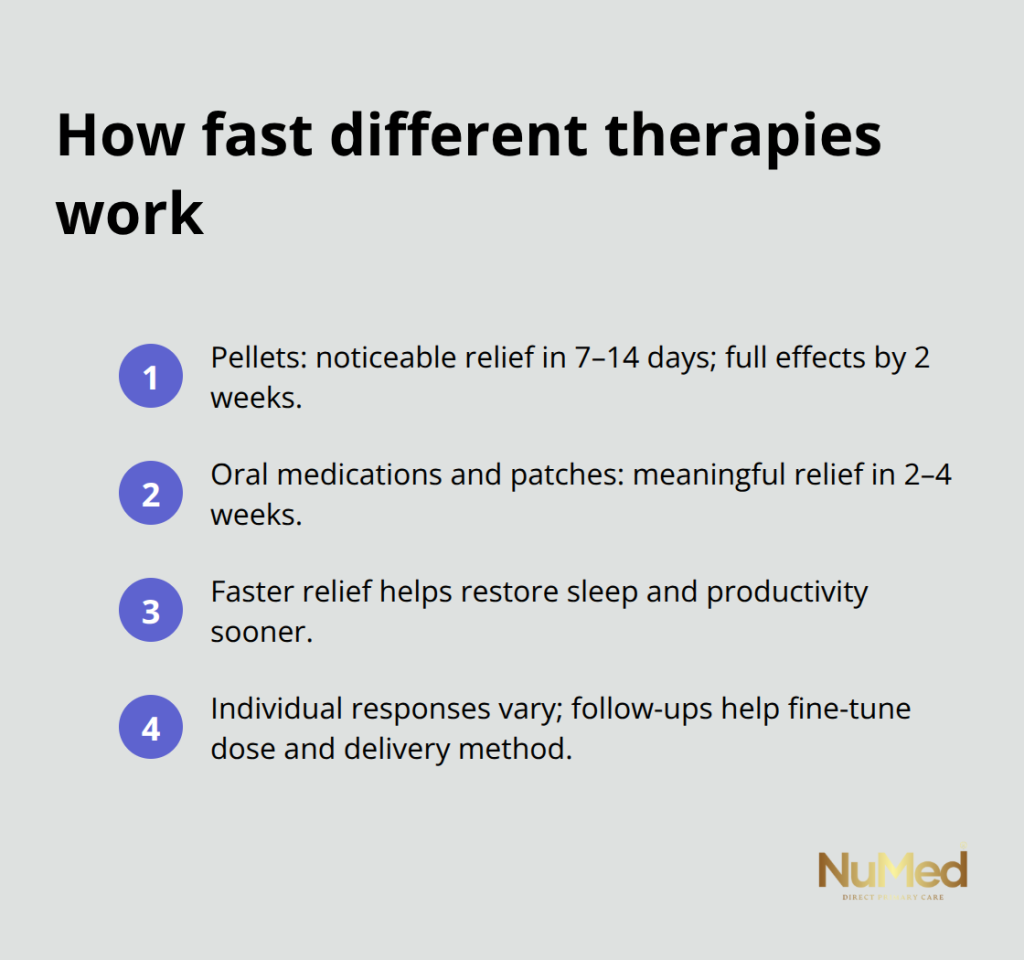
Most women notice symptom improvement within seven to fourteen days of pellet insertion, with full effects evident by two weeks. Oral medications and patches typically require two to four weeks before you experience meaningful relief. This timeline matters because symptom burden affects your quality of life immediately, and faster relief can restore sleep and productivity sooner.
Nonhormonal Options Are Expanding
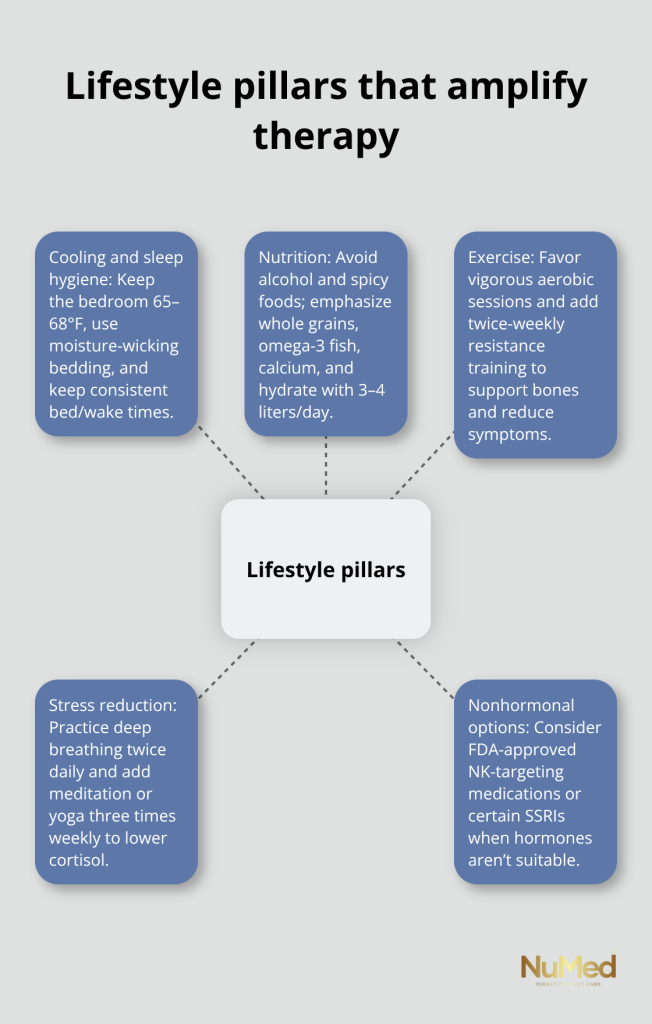
If hormone therapy does not suit your medical history or preferences, FDA-approved alternatives now exist. Fezolinetant and elinzanetant are neurokinin-targeted medications specifically designed to reduce hot flashes without systemic hormone exposure. Certain antidepressants, like selective serotonin reuptake inhibitors, can reduce vasomotor symptoms and simultaneously improve mood and sleep quality. Gabapentin and clonidine may help in specific cases, though they work less reliably than hormone therapy for most women.
Lifestyle Modifications Amplify Treatment
Lifestyle changes work alongside any medical treatment to reduce symptom frequency and intensity. Maintain a cool sleeping environment, dress in layers, avoid alcohol and spicy foods, and prioritize consistent sleep hygiene. These modifications reduce hot flash frequency and intensity substantially, and many women find they need lower hormone doses when they implement these strategies consistently. The evidence is clear that hormone therapy remains the most effective treatment for moderate to severe hot flashes when initiated near menopause in younger postmenopausal women. However, the decision requires honest conversation about your age, symptom severity, medical history, and personal priorities with a provider who understands current evidence rather than outdated fears. Your healthcare provider should help you weigh these options against your individual circumstances and long-term health goals.
Building Your Menopause Strategy Beyond Medication
Hormone therapy works most effectively when paired with deliberate lifestyle changes that reduce symptom frequency and intensity. The research is unambiguous: women who implement nutrition, exercise, sleep, and stress modifications alongside treatment need lower hormone doses and experience faster relief than those relying on medication alone. Your daily choices directly influence how severe your hot flashes become, how well you sleep, and whether your mood stabilizes during this transition.
Food Choices Shape Your Symptom Load
Alcohol and spicy foods are the most potent dietary triggers for hot flashes, and eliminating them produces measurable results within days. A woman consuming two glasses of wine nightly and eating spiced foods regularly might experience 6 to 8 hot flashes daily; removing these triggers often reduces that number to 2 to 3 within a week. Phytoestrogen-rich foods like soy, flaxseeds, and legumes provide mild estrogenic effects that some women find helpful, though the benefit varies considerably between individuals. Prioritize whole grains, fatty fish rich in omega-3s, and calcium-dense foods to support bone health during menopause, when estrogen loss accelerates bone loss. Limit caffeine to before noon because afternoon caffeine consumption disrupts sleep quality, and poor sleep intensifies both hot flashes and mood disturbances. Hydration matters more than most women realize: drinking 3 to 4 liters of water daily reduces hot flash intensity by allowing your body to regulate temperature more efficiently.
Exercise Intensity Matters More Than Frequency
Exercise intensity affects menopause symptoms more than frequency does. Three 45-minute sessions of vigorous aerobic exercise weekly reduce vasomotor symptoms more effectively than five 30-minute moderate-intensity sessions. Resistance training twice weekly strengthens bones, which is critical because bone loss can begin before menopause and continues at a rate of 3% to 5% annually in the first five to seven years postmenopause. Walking alone, while valuable for cardiovascular health, does not provide sufficient stimulus to prevent bone loss or meaningfully reduce hot flashes for most women.
Sleep and Stress Require Deliberate Intervention
Night sweats create a vicious cycle where poor sleep worsens mood and increases hot flash frequency the following day. Set your bedroom temperature to 65 to 68 degrees Fahrenheit, use moisture-wicking bedding, and keep a cool washcloth nearby for immediate relief during night sweats. Consistent sleep timing matters as much as duration: going to bed and waking at the same time daily stabilizes your circadian rhythm and reduces both hot flash frequency and mood swings. Chronic stress elevates cortisol, which intensifies hot flashes and disrupts sleep architecture. Deep breathing exercises performed for ten minutes twice daily demonstrably reduce hot flash severity within two weeks.
Stress Reduction Techniques That Work
Meditation or yoga three times weekly provides substantial benefit by lowering stress hormones while improving flexibility and balance, which protects against falls as bone density declines. Cold exposure therapy, though unconventional, shows promise: brief cold showers or ice water immersion trains your body’s temperature regulation system and reduces hot flash intensity in some women. The effect is not dramatic but measurable in women willing to tolerate the discomfort.
Supplements: Separating Evidence From Marketing
Herbal supplements marketed for menopause, including black cohosh and red clover, lack robust clinical evidence supporting their effectiveness. The placebo effect is substantial in menopause treatment, so if a supplement provides perceived benefit without contraindications, the practical outcome matters more than theoretical efficacy. However, relying solely on unproven supplements while delaying proven treatments delays meaningful symptom relief and perpetuates unnecessary suffering.
Final Thoughts
The decision to pursue menopause hormone therapy requires an honest conversation with a healthcare provider who understands current evidence rather than outdated concerns. Describe your symptoms in detail-when hot flashes occur, how many times daily, whether night sweats disrupt your sleep, and how these symptoms affect your work and relationships-and share your complete medical history, including any family history of cardiovascular disease, breast cancer, or blood clots. Ask your provider how your age influences the risk-benefit calculation, since women aged 50 to 59 experience different outcomes than those in their 70s, and discuss whether transdermal patches or pellets might work better for you than oral pills.
Once you start treatment, regular monitoring ensures your dosage remains optimal through follow-up appointments every three to four months initially to assess symptom relief and adjust hormone levels based on blood testing. Your provider measures hormone levels and asks detailed questions about hot flash frequency, sleep quality, mood, and any side effects you experience, allowing refinement of your treatment plan rather than settling for partial relief. Long-term menopause hormone therapy decisions require periodic reassessment since the typical exposure studied in major research was five to seven years, and conversations about continuing beyond that window should address your current symptom burden, age, and any changes in your health status.
We at NuMed DPC believe menopause care should be personalized, evidence-based, and focused on your quality of life through direct primary care that allows time for thorough conversations about your symptoms, medical history, and treatment goals. We help you navigate menopause hormone therapy with clarity and confidence, addressing not just medication but also nutrition, exercise, sleep, and stress management strategies that amplify your results. If you are ready to take control of your menopause experience with a healthcare partner who listens and understands current evidence, contact us to learn how we can support your health journey.