Preventive healthcare is shifting dramatically as we head into 2027. Genetic testing, wearable devices, and personalized medicine are reshaping how people stay healthy before problems develop.
At NuMed DPC, we’re seeing firsthand how direct primary care enables the kind of proactive, individualized approach that prevention demands. This guide explores the trends defining the future of preventive care and why your healthcare model matters.
Personalized Medicine Reshapes Prevention Before Symptoms Appear
Genetic testing has moved from research labs into mainstream clinical practice, and the shift is fundamental. Rather than waiting for symptoms to appear, patients can now identify disease risk years in advance. According to the American Cancer Society, early cancer diagnosis reduces mean costs by 20 to 30 percent compared with late-stage diagnosis. This isn’t theoretical-it’s a direct financial and health outcome that transforms how prevention works.
Personalized medicine requires time and attention that traditional healthcare models cannot provide. A 15-minute visit does not allow for the detailed conversation needed to understand a patient’s genetic predispositions, family history, and lifestyle factors. Extended appointment models give patients and practitioners the space to discuss genetic risk assessment results, interpret what they mean, and build a prevention strategy that actually fits someone’s life.
Individual Health Profiles Drive Measurable Outcomes
Preventive care plans built on genetic and health data work differently from one-size-fits-all approaches. Someone with a family history of early-onset heart disease needs different monitoring and interventions than someone with no cardiac risk factors.
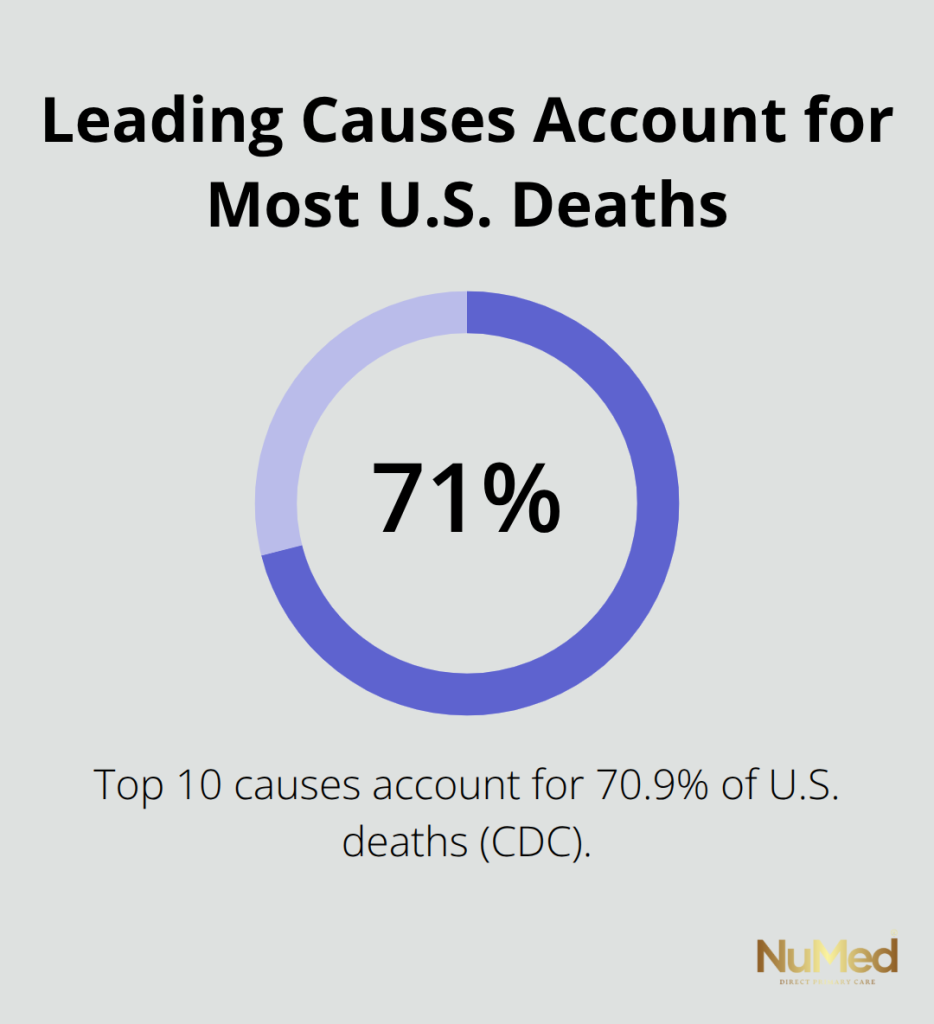
The CDC reports that the 10 leading causes of death accounted for 70.9% of all deaths, with heart disease as the top leading cause. This reality means prevention is not a luxury-it’s the foundation of staying healthy.
Advanced diagnostics like continuous glucose monitors, coronary artery calcium scoring, and biomarker testing reveal disease patterns before they become symptomatic. These tools generate actionable data, but only if a healthcare provider has time to interpret results and help patients understand what changes matter most. With 30 to 60 minute appointments and direct access to your provider, patients receive personalized guidance on which screenings align with their risk profile, when to repeat testing, and how lifestyle modifications specifically address their identified vulnerabilities.
Market Growth Reflects Rising Demand for Precision Prevention
The preventive healthcare market itself will reach approximately 532 billion dollars by 2034, expanding at a compound annual growth rate of roughly 9.7 percent. This growth reflects demand for individualized, data-driven approaches to staying healthy. Patients increasingly expect healthcare that accounts for their unique genetic makeup, family history, and personal risk factors rather than generic protocols applied to everyone equally.
As preventive screening becomes more sophisticated and accessible, the next frontier involves integrating these insights into daily health management through technology and continuous monitoring.
The Direct Primary Care Model Removes Insurance Barriers to Prevention
Traditional primary care operates within insurance-driven constraints that fundamentally limit prevention. Insurance companies dictate visit length, approve which tests practitioners can order, and create administrative friction that consumes significant healthcare spending. Direct primary care removes this intermediary entirely. Patients pay a flat monthly fee directly to their provider, typically between $50 and $100 monthly for adults, according to the American Academy of Family Physicians, and receive comprehensive primary care without copays, deductibles, or insurance authorization delays.
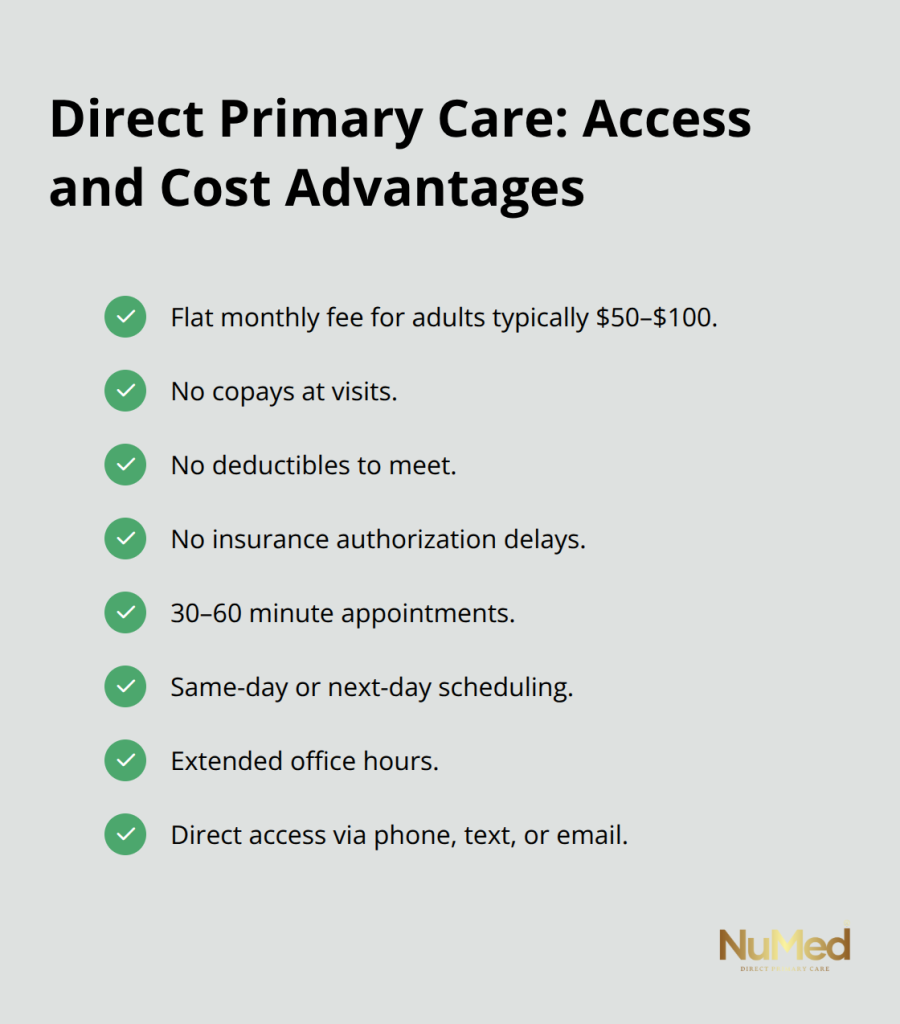
This model eliminates the financial incentive to rush through appointments. DPC practitioners spend 30 to 60 minutes per visit compared with the standard 15 to 20 minutes in traditional practices, as documented in the Journal of the American Board of Family Medicine. More time allows deeper conversations about genetic risk factors, lifestyle modification, and preventive strategies tailored to individual health profiles. Without insurance billing requirements, practitioners focus entirely on patient outcomes rather than coding compliance and claim denials.
Root Cause Analysis Replaces Symptom Management
Insurance-based medicine incentivizes treating symptoms quickly to move to the next patient. Direct primary care inverts this approach. When a patient reports fatigue, a DPC provider investigates underlying causes rather than prescribing a stimulant and scheduling a follow-up in six months. This might involve thyroid function testing, sleep quality assessment, nutritional deficiency screening, or stress evaluation.
The extended time and direct financial relationship enable this thorough approach. Practitioners investigate patterns and implement early interventions before conditions deteriorate. DPC patients experience fewer hospitalizations and emergency room visits while managing chronic diseases like diabetes and hypertension more effectively than patients in traditional models. Preventive screening becomes proactive rather than reactive when practitioners have time to address root causes.
Continuous Relationships Build Accountability and Adherence
A preventive healthcare strategy requires consistency over the years, not episodic visits when problems emerge. Direct primary care creates accountability through ongoing relationships. Patients develop trust with a single provider who understands their complete medical history, family patterns, and personal health goals. This continuity supports adherence to preventive protocols.
When a patient knows their provider personally and has direct access via phone, text, or email, they follow through on recommended screenings and lifestyle changes. The American Academy of Family Physicians survey data shows higher patient satisfaction in DPC settings specifically because of this accessible, continuous relationship. Practitioners also experience lower burnout in DPC environments, according to the Annals of Family Medicine, which translates to better clinical decision-making and genuine investment in patient prevention rather than provider fatigue.
Extended Access Strengthens Prevention Implementation
Direct primary care offers same-day or next-day appointments and extended office hours that traditional practices cannot match. This accessibility removes barriers that prevent patients from addressing health concerns promptly. Someone noticing an irregular heartbeat can reach their provider immediately rather than waiting weeks for an appointment. A patient managing newly diagnosed diabetes can access their practitioner multiple times weekly during the critical adjustment period.
This level of access transforms how practitioners implement preventive interventions. They monitor patients closely during lifestyle changes, medication adjustments, or recovery from acute illness. For someone managing multiple chronic conditions or navigating personalized medicine recommendations, this stable relationship and immediate access become the foundation that makes all other preventive interventions work effectively. The ability to contact a provider directly via phone, text, or email (rather than through an insurance portal) accelerates problem-solving and prevents small issues from escalating into serious complications.
As preventive care models evolve, the technology supporting these relationships becomes equally important. Digital health tools and wearable devices now integrate with direct primary care to create a comprehensive monitoring system that extends beyond office visits.
Wearable Devices and Real-Time Monitoring Transform Daily Prevention
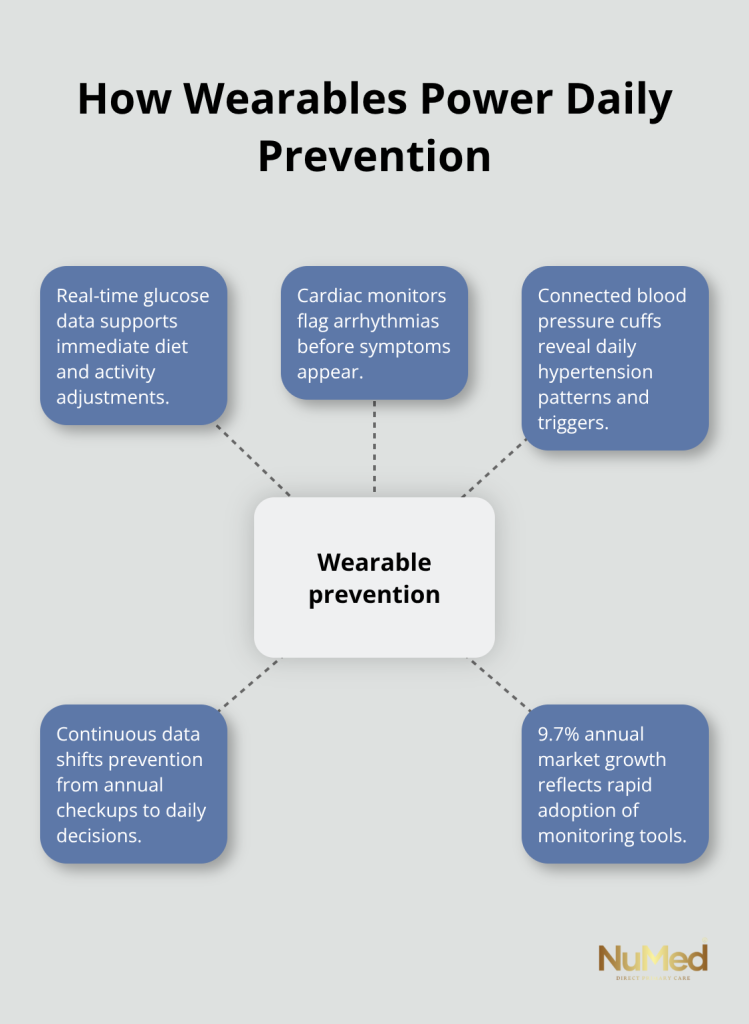
Wearable technology has moved beyond fitness tracking into clinical-grade health monitoring that directly supports prevention. Continuous glucose monitors now provide real-time glucose data to patients with diabetes and prediabetes, allowing immediate adjustments to diet and activity rather than relying on quarterly lab results. Cardiac monitoring devices detect irregular rhythms before they become symptomatic events. Blood pressure monitors with smartphone connectivity track hypertension patterns throughout the day, revealing how stress, sleep, and activity influence cardiovascular health. This continuous data stream shifts prevention from annual checkups into daily decision-making. The preventive healthcare market grows at 9.7 percent annually, reflecting widespread adoption of these monitoring tools, but data collection alone changes nothing without interpretation and response.
Practitioners Interpret Wearable Data Within Extended Appointments
Direct primary care practitioners leverage wearable data within extended appointment times to identify patterns that individual patients would miss. Someone wearing a continuous glucose monitor generates hundreds of daily readings, yet interpreting those readings requires clinical expertise combined with knowledge of that specific patient’s diet, stress levels, medication timing, and exercise habits. A 15-minute appointment cannot accommodate this analysis. Practitioners review trends during 30 to 60-minute visits, adjust interventions, and help patients understand what the numbers mean for their daily choices. A patient might discover that stress-induced cortisol spikes elevate morning glucose levels more than carbohydrate intake, redirecting focus toward sleep and stress management rather than restrictive dieting. Another patient discovers that evening walks improve glucose control more effectively than medication adjustments alone. This personalized interpretation transforms raw data into an actionable health strategy.
Artificial Intelligence Identifies Hidden Disease Patterns Before Symptoms Emerge
Artificial intelligence applied to wearable data and electronic health records identifies disease patterns humans would miss through standard clinical assessment. Algorithms trained on large datasets detect subtle changes in heart rate variability that precede atrial fibrillation diagnosis by weeks or months. Machine learning models analyze sleep quality, activity patterns, and stress markers to identify individuals at high risk for depression or anxiety before they report symptoms. These predictive capabilities represent a genuine shift in prevention from reactive response to anticipatory intervention. Yet AI tools generate alerts and risk scores that require clinical judgment to interpret and act upon. An algorithm flagging increased cardiovascular risk means nothing without a provider who understands that patient’s complete medical context and can recommend appropriate screening, lifestyle modifications, or specialist referral.
Direct primary care practitioners integrate AI-powered insights into ongoing patient relationships where they already understand baseline health patterns and individual risk tolerance. When an AI tool flags potential atrial fibrillation risk based on wearable data analysis, a provider can order targeted testing, discuss symptoms the patient may have overlooked, and implement interventions tailored to that individual’s circumstances. This integration works because practitioners have time to discuss what AI findings mean and collaborate with patients on response strategies rather than simply ordering tests or medications based on algorithmic recommendations.
Virtual Care Removes Friction From Preventive Follow-Up
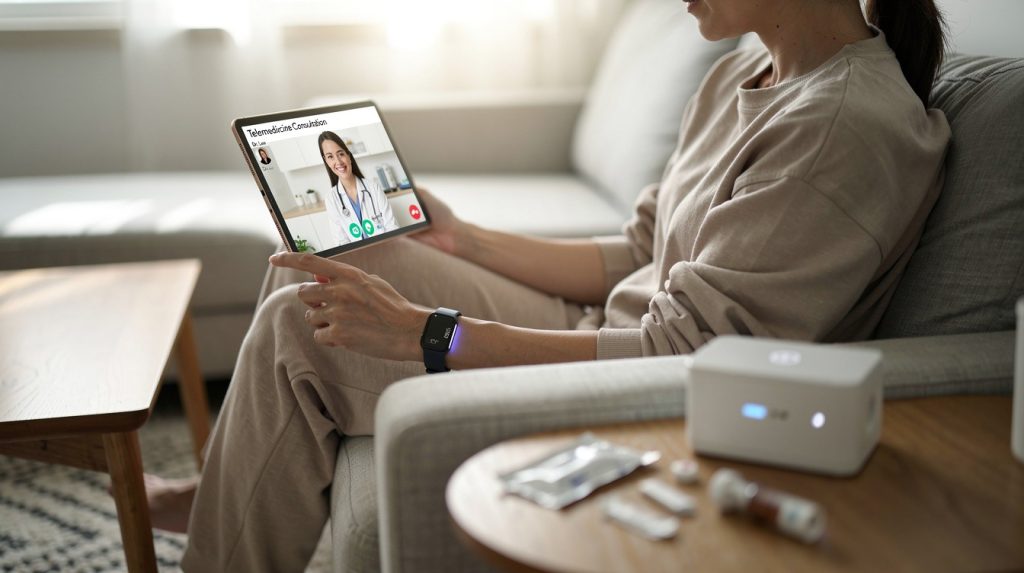
Remote consultations through secure video and messaging platforms eliminate scheduling barriers that prevent patients from accessing preventive care. Someone managing newly diagnosed hypertension can communicate with their provider multiple times weekly without taking time off work or traveling to an office. A patient implementing lifestyle changes for diabetes prevention can ask questions via secure message rather than waiting weeks for an appointment to discuss progress. Telemedicine accessibility particularly benefits patients in rural areas where specialist appointments require hours of travel. Virtual care works most effectively within ongoing direct relationships rather than episodic video visits with unfamiliar providers. This combination enables practitioners to monitor chronic conditions closely during critical periods, respond quickly to emerging health concerns, and provide guidance on implementing preventive strategies. A patient adjusting blood pressure medication can have a video visit mid-week to assess response rather than waiting a month for follow-up. Someone beginning a new exercise program for cardiovascular prevention can ask their provider about appropriate intensity and progression via secure message. This seamless access between virtual and in-person care removes the friction that prevents consistent prevention implementation.
Final Thoughts
The preventive healthcare landscape entering 2027 reflects a fundamental shift away from reactive treatment toward anticipatory health management. Genetic testing, personalized medicine, wearable monitoring, and artificial intelligence now enable practitioners to identify disease risk years before symptoms emerge, with early detection reducing costs by 20 to 30 percent compared with late-stage diagnosis. Yet technology alone cannot drive this transformation-the healthcare model you choose determines whether these tools actually improve your health or simply generate data that sits unused.
Traditional insurance-based primary care cannot support genuine prevention because the system prioritizes volume over depth, with 15-minute appointments and administrative burden preventing practitioners from investigating root causes or implementing personalized strategies. Direct primary care inverts these incentives entirely by removing insurance intermediaries and establishing direct relationships between patients and providers, creating space for the thorough assessment and continuous monitoring that prevention demands. Practitioners spend 30 to 60 minutes per visit understanding your complete health picture, interpreting wearable data within your personal context, and adjusting interventions based on your response.
Your healthcare model determines whether you benefit from 2027 preventive healthcare advances or remain trapped in reactive treatment patterns. Taking control of your health through prevention requires a healthcare partnership built on time, continuity, and genuine investment in your long-term wellbeing-one that addresses root causes and tailors treatment to your unique needs. NuMed DPC offers this model through compassionate, holistic healthcare that positions you to implement the preventive strategies that keep you healthy.