

Menopause brings significant sleep disruption for many women, with hormonal shifts triggering night sweats, hot flashes, and anxiety that keep you awake through the night.
At NuMed DPC, we recognize that poor sleep during menopause affects your daytime clarity, mood, and long-term health. This guide covers evidence-based menopause sleep strategies, from temperature control to medical options, so you can reclaim restful nights and wake refreshed.
Why Menopause Disrupts Sleep
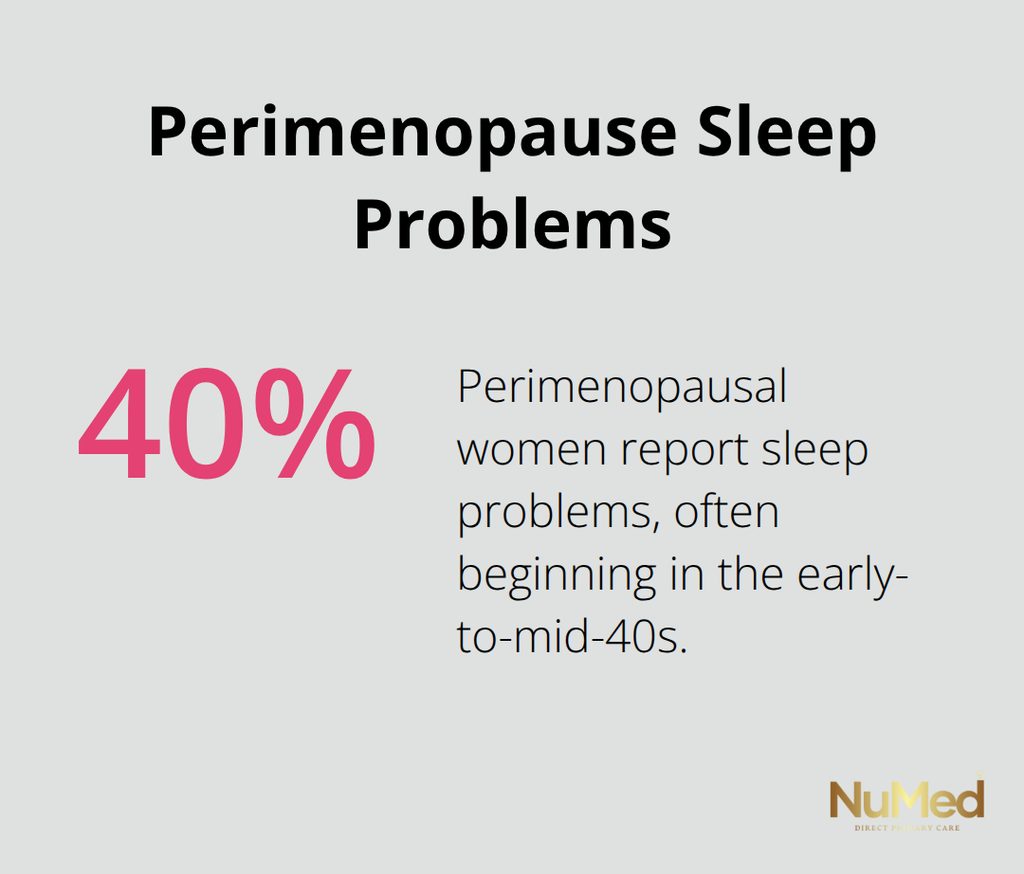
Estrogen and progesterone decline during menopause, and this shift hits your sleep hard. Progesterone naturally promotes sleep by enhancing the GABA system in your brain, which calms neural activity. When progesterone drops, your brain loses that sedative effect, making it harder to fall asleep and stay asleep. Estrogen regulates serotonin production and temperature control, so lower estrogen levels disrupt both your mood stability and your body’s ability to maintain a steady core temperature. Research from Park et al. in Chronobiology in Medicine found that 40% of women in perimenopause report sleep problems, often starting in the early-to-mid-40s. About 52 to 64% of postmenopausal women experience ongoing sleep disturbances, showing that hormonal shifts create real, measurable sleep loss that can last years.
Night Sweats and Temperature Regulation
Night sweats occur because your body’s temperature regulation system misfires when estrogen drops. More than 80% of menopausal women experience hot flashes, according to research in the Journal of Midlife Health. These vasomotor symptoms wake you suddenly, drenched and overheated, making it nearly impossible to cool down and return to sleep. Your bedroom environment directly affects how severe these episodes feel. A room temperature above 65 to 68 degrees Fahrenheit amplifies night sweats, as does heavy bedding or tight sleepwear that traps body heat. Switching to moisture-wicking cotton sheets, using a bedside fan, and lowering your thermostat creates measurable improvement. Some women see results within one week of environmental changes alone, which is why temperature control should be your first intervention, not your last resort.
Mood Disruption and the Anxiety Cycle
Anxiety and mood instability during menopause feed directly into poor sleep. Estrogen decline affects neurotransmitters like serotonin and GABA, leaving many women with racing thoughts, irritability, or a sense of dread at bedtime. This creates a vicious cycle: poor sleep worsens mood regulation, and poor mood regulation worsens sleep. Caffeine intake after 2 PM becomes particularly problematic during menopause because your body’s ability to metabolize caffeine slows, and your nervous system is already primed toward hyperarousal. Alcohol in the evening has the opposite effect people expect-while it may help you fall asleep initially, it fragments your sleep in the second half of the night and increases night sweats.
Stress Management and Sleep Confidence
Stress management becomes non-negotiable during menopause. Cognitive behavioral therapy for insomnia, or CBT-I, improves health-related quality of life and alleviates vasomotor, psychological, and sleep-related symptoms without medication. Even five minutes of deep breathing or progressive muscle relaxation before bed reduces cortisol levels and signals your nervous system that sleep is safe, making sleep onset faster and more reliable. These practical tools address the root cause of your sleep loss-the hormonal and neurological shifts that menopause triggers-rather than treating symptoms alone. Understanding what happens in your body during menopause helps you recognize that your sleep struggles are real and addressable, which sets the stage for the evidence-based strategies that actually work.
What Actually Works to Sleep Better During Menopause
Temperature Control: Your First Line of Defense
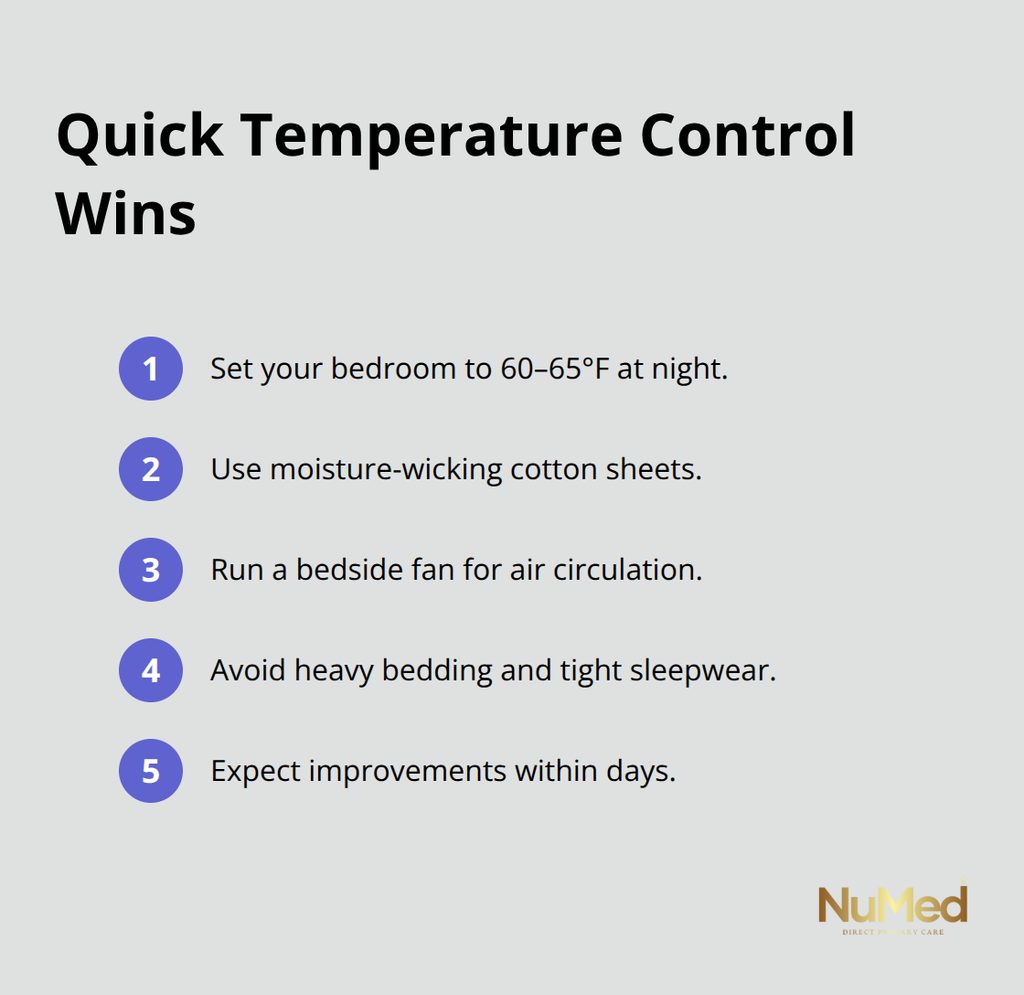
Lower your bedroom to 60 to 65 degrees Fahrenheit-research consistently shows this range minimizes vasomotor awakening. Moisture-wicking cotton sheets pull sweat away from your skin instead of trapping heat like synthetic blends do. A bedside fan creates air circulation without requiring you to adjust the thermostat in ways that affect your partner or household. These changes produce results within days, not weeks.
Once your sleep environment is dialed in, you shift your attention to what your body needs during waking hours.
Movement and Timing Matter
Exercise during the day-specifically 150 minutes of moderate activity per week-improves sleep quality and reduces hot flash severity. The timing matters: finish vigorous workouts at least four hours before bed because evening exercise elevates core temperature and cortisol, making it harder to wind down. Walking, swimming, or yoga earlier in the day works better than nothing at all.
Nutrition’s Direct Impact on Sleep
Nutrition directly impacts sleep architecture. Caffeine metabolism slows during menopause, so caffeine consumed after 2 PM lingers in your system and disrupts sleep onset. Alcohol creates the illusion of better sleep initially but fragments the second half of your night and intensifies night sweats-the opposite of what many women expect. Magnesium supports sleep quality and may reduce muscle tension that menopause triggers; foods like pumpkin seeds, almonds, and dark leafy greens provide natural sources, though some women benefit from supplemental magnesium glycinate taken 30–60 minutes before bed under guidance from a healthcare provider.
Stress Reduction and Nervous System Regulation
Stress reduction directly lowers cortisol, which stays elevated during menopause and sabotages sleep. Progressive muscle relaxation-systematically tensing and releasing muscle groups from your toes to your head-takes ten minutes and signals your nervous system that safety is possible. Deep breathing at a rate of four counts in, hold for four, exhale for six activates your parasympathetic nervous system within minutes. Consistency matters more than duration; five minutes of daily practice produces measurable improvements in sleep latency and fewer nighttime awakenings.
Sleep Schedule and Light Exposure
Your sleep schedule anchors everything else. You go to bed and wake at the same times every day, including weekends, to train your circadian rhythm to recognize when sleep should happen. Exposure to bright light within one hour of waking synchronizes your internal clock. Screen time within two hours of bed suppresses melatonin production because blue light tricks your brain into thinking it is daytime; this becomes more problematic during menopause when melatonin production already declines. If sleep problems persist despite these changes for more than two to three weeks, a menopause-informed healthcare provider can evaluate whether underlying conditions like thyroid dysfunction or sleep apnea are contributing, and determine whether medical interventions complement your behavioral foundation.
Treatment Options That Actually Work
Hormone Replacement Therapy: The Most Effective Option
Hormone replacement therapy remains the most effective intervention for sleep disruption tied directly to hot flashes and night sweats. HRT reduces vasomotor symptoms by roughly 70–80% versus baseline, which translates directly into fewer nighttime awakenings and longer consolidated sleep periods. The decision to use HRT requires careful evaluation with a menopause-informed provider because individual risk profiles vary significantly. Women with a personal history of blood clots, stroke, or certain cancers face contraindications, while others find the benefits substantially outweigh risks when monitored appropriately.
Non-Hormonal Medical Alternatives
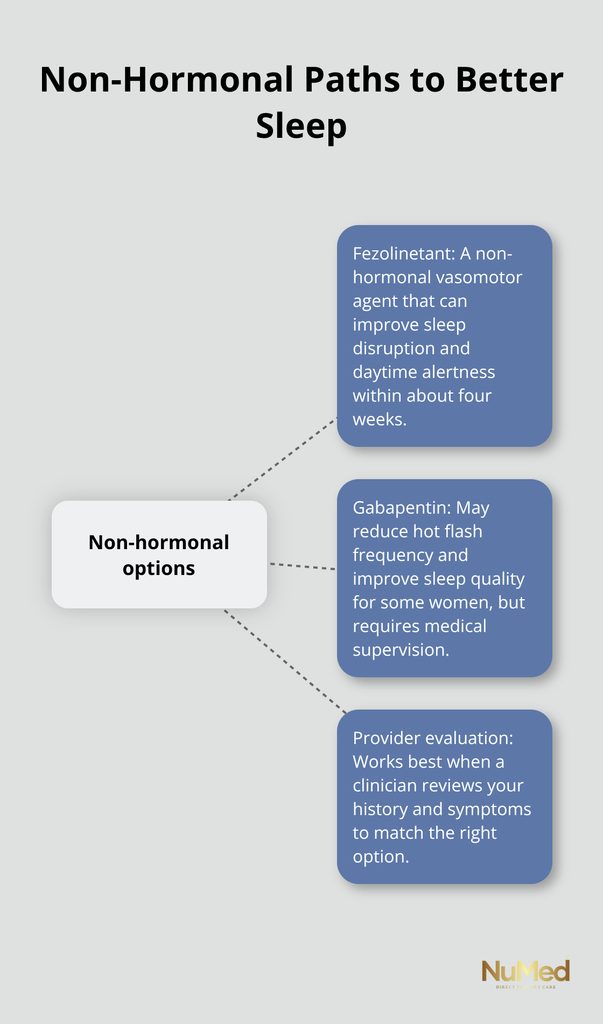
If HRT is not an option for you, fezolinetant, a non-hormonal vasomotor agent, has demonstrated measurable improvements in sleep disruption and daytime alertness within approximately four weeks according to clinical research. Gabapentin also reduces hot flash frequency and improves sleep quality for some women, though it requires medical supervision and is not suitable for everyone. These medications work best when a healthcare provider evaluates your complete medical history and current symptoms to determine which option fits your situation.
Supplements: Quality and Interactions Matter
Supplements require the same scrutiny as medications because quality, dosing, and interactions matter enormously. Magnesium glycinate taken 30 to 60 minutes before bed supports sleep quality and costs far less than prescription options, but quality varies dramatically between brands and third-party testing is non-negotiable. Melatonin can help reset your circadian rhythm if taken consistently at the same time each evening, though effectiveness varies and doses above 3 milligrams often produce diminishing returns. Valerian root, chamomile, and ashwagandha have research support for anxiety reduction and sleep onset, but herbal remedies are not regulated with the same rigor as pharmaceuticals, meaning contamination or mislabeling occurs occasionally. Black cohosh may reduce hot flashes, though evidence remains mixed and some formulations interact with medications.
Supplements work best alongside the behavioral foundation you have already built, not as replacements for sleep hygiene, temperature control, and stress management. A healthcare provider who understands menopause can evaluate your complete health picture, medication interactions, and individual symptom profile to recommend whether supplements make sense for your situation and which brands meet quality standards.
When Medical Evaluation Becomes Essential
If your sleep problems persist for more than a month despite consistent behavioral changes, or if nighttime symptoms are severe enough to affect your daytime function and safety, scheduling an evaluation with a healthcare provider who understands menopause becomes essential rather than something to delay. A menopause-informed provider can identify whether underlying conditions like thyroid dysfunction or sleep apnea are contributing factors and determine whether medical interventions complement your behavioral foundation.
Final Thoughts
Better sleep during menopause is achievable when you address the hormonal and neurological shifts that disrupt your nights. The menopause sleep strategies covered in this guide-temperature control, consistent sleep schedules, stress reduction, exercise timing, and nutrition adjustments-produce results within two to three weeks for most women. Improved sleep directly strengthens your immune function, stabilizes mood regulation, sharpens cognitive clarity, and reduces your risk of cardiovascular disease and metabolic dysfunction.
Your next step is scheduling an evaluation with a healthcare provider who understands menopause and listens to your specific symptoms without rushing. A menopause-informed clinician identifies whether underlying conditions like thyroid dysfunction or sleep apnea contribute to your sleep loss, evaluates whether medical interventions fit your health profile, and helps you build a personalized plan that combines behavioral strategies with appropriate medical support. If behavioral changes alone don’t resolve your sleep problems, medical options including hormone replacement therapy, non-hormonal medications, and quality-tested supplements offer additional pathways forward.
At NuMed DPC, we focus on preventing illness by addressing root causes and fostering a personalized connection between you and your practitioner. Schedule a consultation with NuMed DPC to design a menopause management plan that actually works for your life and moves you beyond fragmented nights and brain fog.