Menopause affects roughly 1 million women each year in the United States, bringing hot flashes, sleep disruption, and mood changes that impact daily life. Managing menopause symptoms doesn’t require suffering through this transition-evidence-based strategies can make a real difference.
At NuMed DPC, we’ve seen firsthand how personalized care plans help women regain control during menopause. This guide covers practical approaches backed by research that actually work.
Understanding Menopause and Its Symptoms
Menopause is defined as 12 consecutive months without a menstrual period, but the transition leading up to it, perimenopause, can last 4 to 10 years. During this time, your ovaries gradually produce less estrogen and progesterone, hormones that regulate far more than just your cycle. These hormonal shifts affect your brain, bones, heart, metabolism, and stress response system. Estrogen decline disrupts cortisol regulation, which explains why many women experience fatigue, anxiety, weight gain, insomnia, and brain fog during perimenopause. Understanding this biological reality shapes which treatments work best for you. The average age of menopause in the United States is 51 to 52, though it can occur anywhere between 45 and 55. Early recognition of perimenopause allows you to start managing symptoms before they intensify, rather than waiting until hot flashes or sleep problems dominate your life.
Hot Flashes and Vasomotor Symptoms
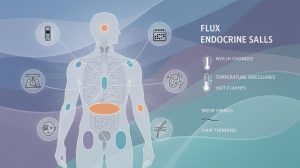
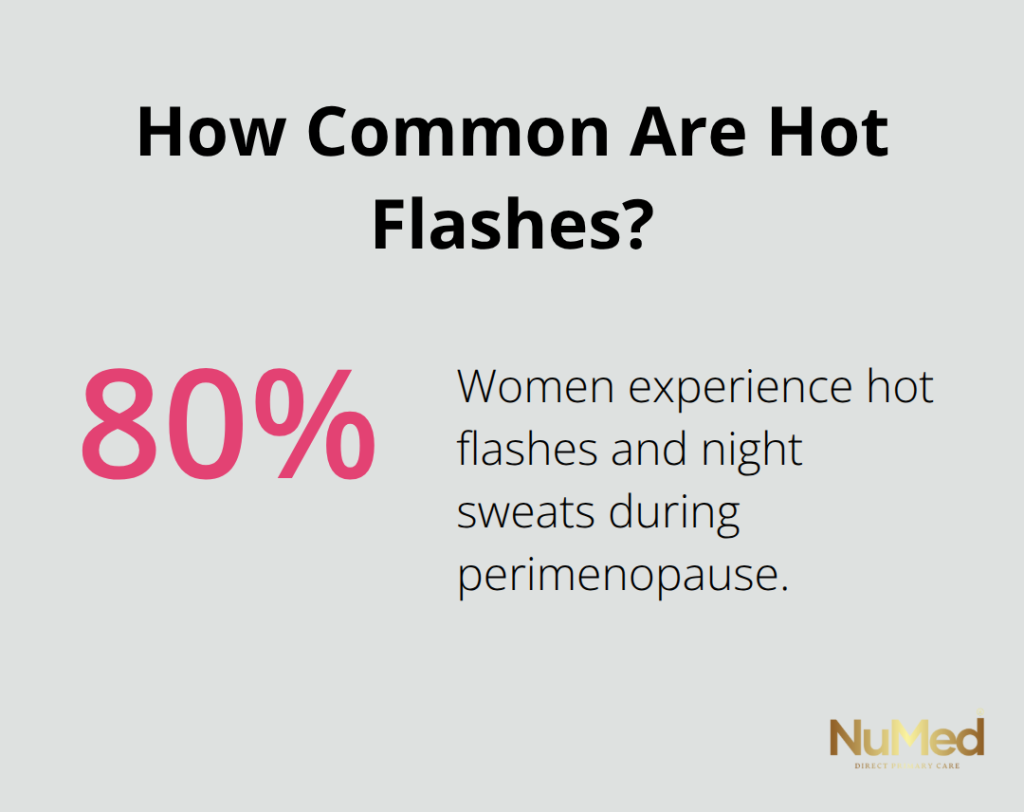
Hot flashes and night sweats affect up to 80 percent of women during the perimenopause transition, making them the most common reason women seek treatment. These vasomotor symptoms occur because declining estrogen destabilizes your body’s temperature regulation center in the brain. Night sweats disrupt sleep quality, which compounds fatigue and mood changes.
Research from the Healthcare (MDPI) 2025 meta-analysis of 32 randomized controlled trials shows that targeted interventions-whether nutritional, exercise-based, or psychological-produce meaningful reductions in these symptoms. Women using multimodal approaches combining exercise, dietary changes, and stress management see symptom improvements within 8 to 12 weeks.
Vaginal and Metabolic Changes
Vaginal dryness and genitourinary syndrome develop as estrogen drops, affecting tissue elasticity and moisture. You may also notice joint aches, headaches, and weight gain, particularly around the abdomen, as your metabolism slows and muscle mass declines without adequate hormonal support. Bone density begins to drop more rapidly during perimenopause and early postmenopause, increasing fracture risk if left unaddressed. These physical changes are not inevitable consequences you must accept; targeted interventions address them effectively.
Mood and Cognitive Shifts
Emotional shifts during menopause often surprise women who expected only hot flashes. Depressive symptoms increase substantially during perimenopause, with research showing a standardized mean difference of −1.10 in symptom severity when women receive targeted interventions like aerobic exercise and cognitive behavioral therapy. Anxiety similarly responds well to multimodal programs combining physical activity with psychosocial support, showing a −0.82 standardized mean difference in severity. Brain fog-difficulty concentrating, memory lapses, word-finding problems-affects many women and stems directly from hormonal fluctuations affecting neurotransmitters. These cognitive changes are not early dementia or permanent decline; they typically resolve with appropriate treatment.
Sleep Disruption and Its Cascade Effect
Sleep disturbance amplifies mood problems, creating a cycle where poor sleep worsens depression and anxiety, which then worsens sleep further. CBT-I shows particularly strong results for perimenopausal and postmenopausal women, helping women cope with nocturnal awakenings and changing the perceived impact of vasomotor symptoms on sleep. The emotional and cognitive changes during menopause respond to evidence-based approaches-hormone therapy, lifestyle modifications, or psychological interventions-rather than being something you simply endure. Identifying which symptoms affect you most helps determine whether hormone replacement therapy, nonhormonal medical options, or lifestyle strategies should form the foundation of your treatment plan.
Evidence-Based Treatment Options
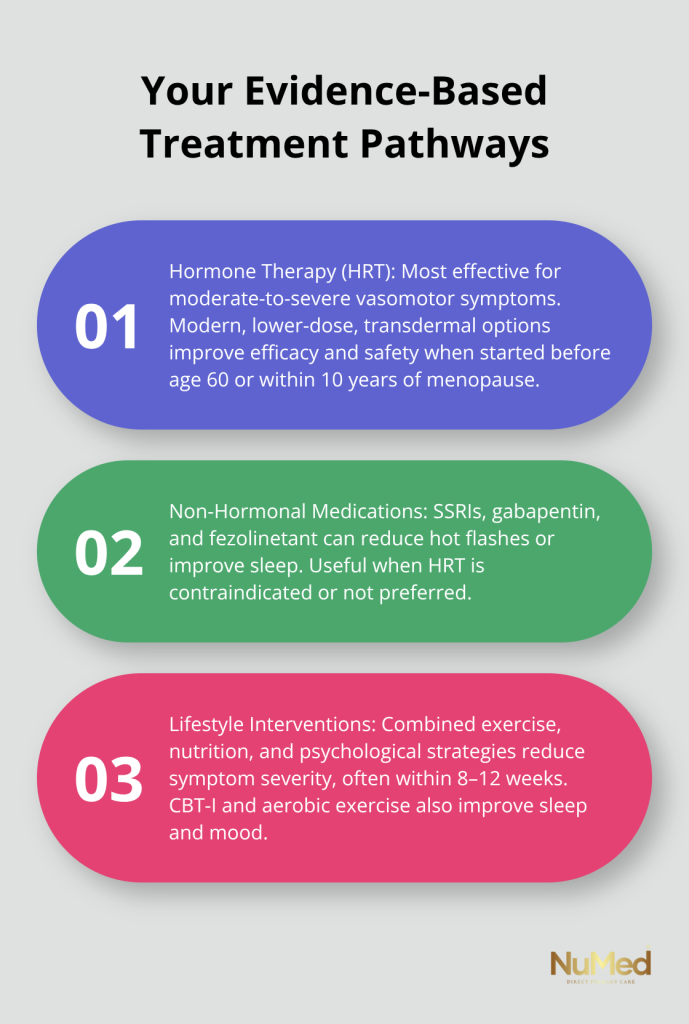
Hormone replacement therapy remains the gold standard for moderate-to-severe vasomotor symptoms, with research consistently showing it reduces hot flashes and night sweats more effectively than any other single intervention. The Women’s Health Initiative raised legitimate safety concerns decades ago, but modern HRT uses lower doses, different hormone formulations, and more targeted delivery methods than the older studies examined. Transdermal estrogen through patches or gels bypasses your liver, reducing blood clot risk compared to oral pills, which matters significantly if you have cardiovascular risk factors. Starting HRT before age 60 or within 10 years of your last period generally carries an acceptable risk-benefit profile according to the North American Menopause Society and NICE guidelines. If you have a uterus, combined estrogen-progestin therapy protects against endometrial hyperplasia, while a levonorgestrel-releasing IUD paired with estrogen offers another protective option.
The key is starting at the lowest effective dose, reassessing every three months for symptom relief and side effects, and continuing only as long as benefits outweigh risks.
Non-Hormonal Prescription Options
If HRT isn’t suitable for you, perhaps due to a history of breast cancer or blood clots, non-hormonal prescription options exist. Selective serotonin reuptake inhibitors like sertraline reduce hot flashes in clinical practice. Gabapentin helps both vasomotor symptoms and sleep disruption. Fezolinetant, FDA-approved in 2023, specifically targets hot flashes through a different mechanism and works well for women seeking non-hormonal relief.
Lifestyle Interventions Produce Measurable Results
A 2025 meta-analysis in Healthcare examining 32 randomized controlled trials across 13 countries found that multimodal programs combining exercise, nutrition, and psychological strategies reduced menopausal symptoms with a standardized mean difference of −1.18. Exercise-based interventions like yoga, Pilates, or brisk walking performed 2-3 times weekly for 8-12 weeks produce large effects on both symptom severity and sleep quality. Nutritional interventions, particularly those including soy isoflavones, red clover, curcumin, or maca, yielded the strongest relief in the meta-analysis, with pooled effects around −1.08 to −1.54 in symptom severity. The research shows these approaches work best when combined rather than isolated.
Cognitive behavioral therapy for insomnia specifically addresses the sleep disruption that amplifies mood problems, producing a standardized mean difference of −0.90 in sleep improvement. Aerobic exercise alone reduces depressive symptoms by a standardized mean difference of −1.10, rivaling what many antidepressants achieve. These evidence-based lifestyle approaches work without medication and build sustainable habits that support long-term health.
Timing Shapes Your Treatment Path
The decision between hormone therapy, non-hormonal medications, and lifestyle interventions depends on your specific symptoms, medical history, and preferences, not a one-size-fits-all protocol. If hot flashes disrupt your sleep and work multiple times daily, waiting eight weeks for exercise benefits to compound rarely makes sense; starting HRT or a prescription non-hormonal option addresses the immediate problem while you establish sustainable habits. If your primary concerns are mood changes and cognitive fog without severe vasomotor symptoms, cognitive behavioral therapy combined with aerobic exercise often resolves these within 8-12 weeks without medication.
Women with vaginal dryness benefit from local vaginal estrogen products, which have minimal systemic absorption and work independently of whether you use systemic hormone therapy. Three-month follow-up appointments matter more than many women realize-this is when you assess whether your current approach is working, adjust doses if needed, and catch side effects early. Most mild side effects, like breast tenderness or bloating, resolve within 3-6 months as your body adjusts, but persistent problems warrant a dose adjustment or switch to a different formulation rather than suffering through them.
Personalized Care Drives Better Outcomes
Your healthcare provider should tailor treatment recommendations to your individual situation rather than applying a standard protocol to every patient. This personalized approach considers your symptom severity, medical history, family history of cancer or cardiovascular disease, and personal preferences about medication versus lifestyle-first strategies. Some women thrive with hormone therapy as their foundation, while others prefer building their management plan around exercise, nutrition, and stress reduction, with medication added only if needed. The most effective path forward emerges from honest conversations with a provider who listens to your concerns and explains the evidence behind each option.
As you move forward with treatment decisions, understanding which practical strategies fit into your daily life becomes the next critical step, because even the best medical interventions fail if you cannot sustain them long-term.
What You Should Actually Eat and Do During Menopause
Building your daily management strategy around food and movement patterns that you can sustain matters far more than following perfect protocols you abandon after two weeks. The research is clear: a Mediterranean-style diet combined with regular aerobic and strength-training exercise produces measurable improvements in hot flashes, sleep quality, mood, and metabolic health within 8 to 12 weeks.
Protein, Calcium, and Nutrient-Dense Foods
Start with protein at every meal-lean meats, fish, eggs, nuts-because estrogen decline accelerates muscle loss, and maintaining muscle mass becomes your defense against weight gain and bone fragility. Include calcium-rich foods like salmon, eggs, spinach, yogurt, and milk to support bone density during the years when your skeleton loses density fastest. Add fermented foods such as yogurt or kimchi; research links them to mood stabilization during hormonal transitions. Healthy fats and magnesium from legumes and seeds directly support mood and sleep quality, addressing two of the most disruptive menopause symptoms.
Avoid the trap of restrictive dieting during menopause-your metabolism is already working against you as estrogen drops, and undereating triggers cortisol spikes that worsen anxiety, fatigue, and sleep problems. Instead, eat adequate calories with emphasis on nutrient density rather than calorie restriction.
Aerobic and Strength Training
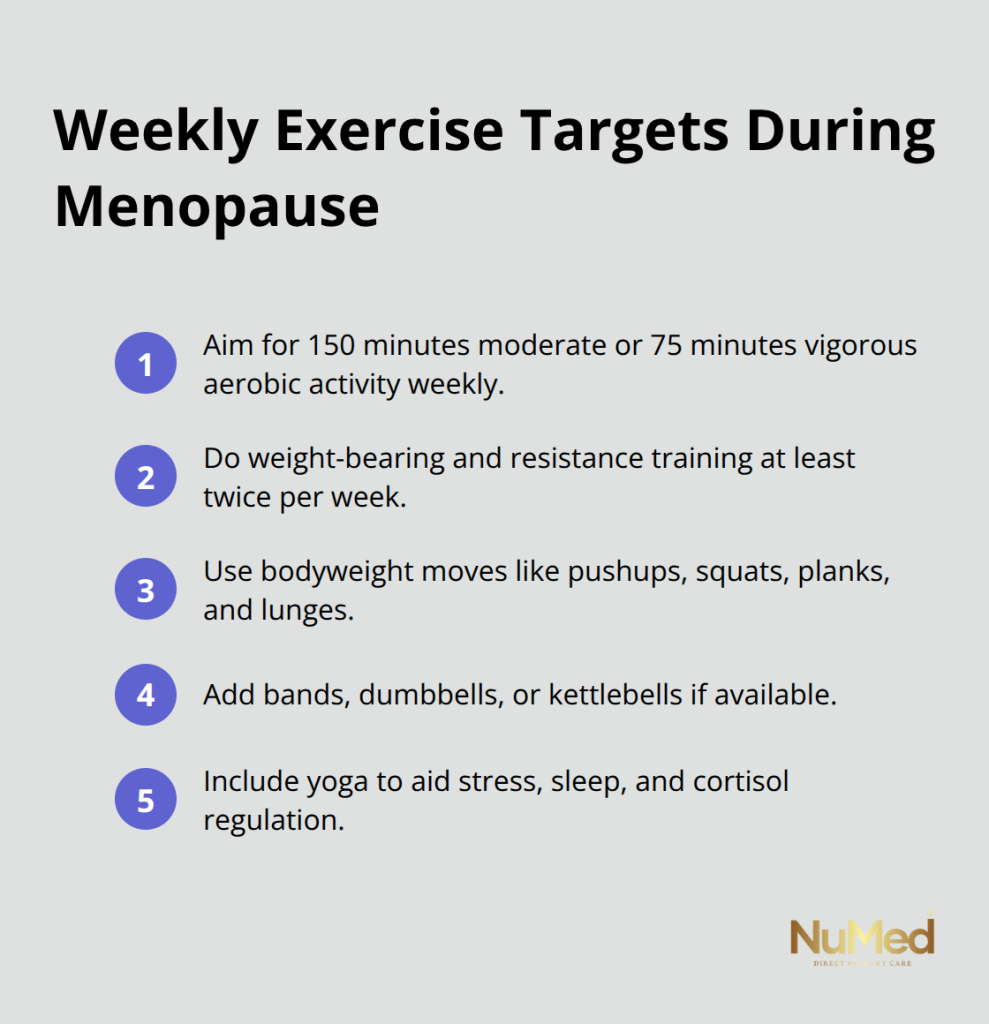
Exercise intensity and consistency matter more than duration. Try 150 minutes of moderate aerobic activity or 75 minutes of vigorous activity weekly; brisk walking for 30 minutes most days supports cardiovascular health according to current evidence. Weight-bearing and resistance training should happen at least twice weekly. Bodyweight exercises like pushups, squats, planks, and lunges work perfectly, or use resistance bands, dumbbells, or kettlebells if available. Yoga counts as weight-bearing exercise and simultaneously addresses stress, sleep quality, and cortisol regulation, making it particularly valuable during menopause.
Sleep Hygiene and Temperature Control
Sleep hygiene demands real attention: maintain a consistent sleep schedule seven days weekly, limit screens and caffeine after 2 p.m., and restrict alcohol to no more than one drink daily since it disrupts sleep architecture and triggers night sweats. Your bedroom temperature matters-keep it cool, around 65 to 68 degrees Fahrenheit, since declining estrogen impairs your temperature regulation.
Stress Reduction and Social Connection
Stress reduction through mindfulness meditation, even 10 minutes daily, lowers cortisol during the transition when your stress response system is already destabilized. Maintain your social connections deliberately; time with loved ones and physical contact like hugs actively lower cortisol levels, making relationships a medical intervention rather than optional leisure.
Integration for Maximum Effect
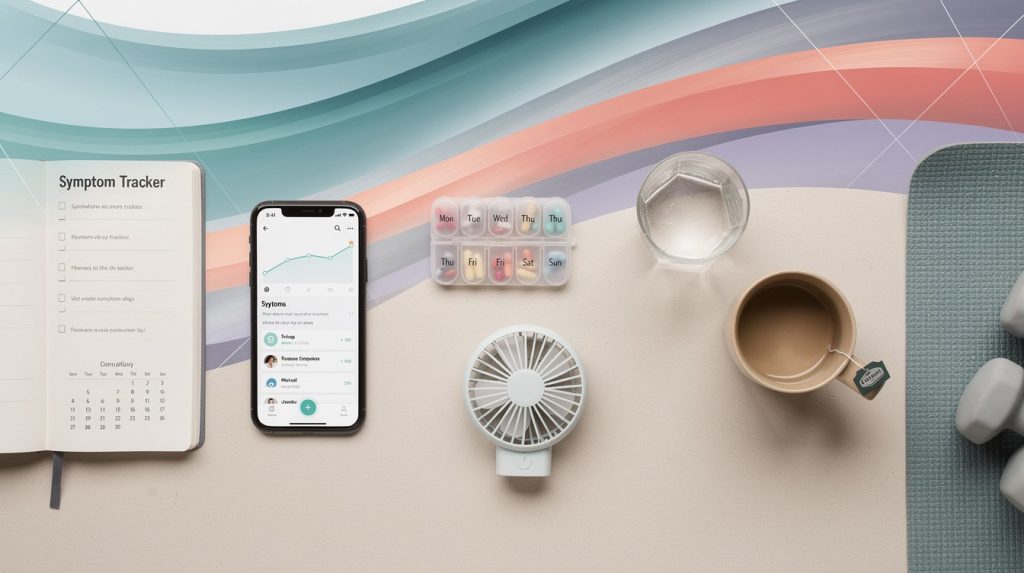
These practical adjustments work best when implemented simultaneously rather than sequentially-your nutrition supports your exercise capacity, your exercise improves sleep quality, and your improved sleep makes stress management more effective. The combination of dietary changes, consistent movement, sleep optimization, and stress reduction creates a foundation that addresses menopause symptoms from multiple angles (metabolic, cardiovascular, neurological, and emotional), producing results that single interventions rarely achieve.
Final Thoughts
Managing menopause symptoms effectively requires matching evidence-based treatments to your individual situation rather than following a generic protocol. Hormone replacement therapy works best for moderate-to-severe vasomotor symptoms when started before age 60, while multimodal approaches combining exercise, nutrition, and stress management produce measurable improvements within 8 to 12 weeks for women preferring non-hormonal strategies. Non-hormonal prescription options like SSRIs, gabapentin, or fezolinetant address specific symptoms when HRT isn’t suitable.
Your personalized care plan should address not just hot flashes or sleep disruption, but the interconnected physical, emotional, and metabolic changes menopause brings. A provider who listens to your specific concerns and explains the evidence behind each recommendation matters more than any single treatment option. Three-month follow-up appointments allow you to assess whether your current approach works and adjust doses or strategies before minor side effects become reasons to abandon treatment entirely.
Starting your menopause management journey begins with an honest conversation about which symptoms disrupt your life most, your medical history, and your preferences regarding medication versus lifestyle-first approaches. NuMed Direct Primary Care offers personalized, compassionate care that addresses root causes rather than isolated symptoms, providing the individualized attention that transforms menopause from an ordeal into a manageable transition. Your healthcare provider should support you in building a sustainable plan you can maintain long-term, because consistency matters far more than perfection when managing menopause symptoms.